Can the Landlord Tenant Board Actually Help You Settle a Rental Dispute?
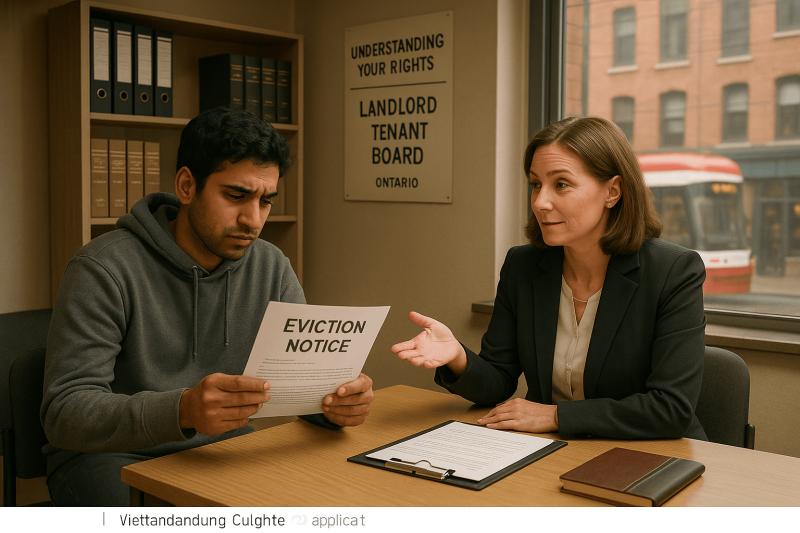
Let’s face it — renting can get messy. Whether you’re the one collecting rent or the one handing it over every month, things don’t always go smoothly. When problems show up — unpaid rent, broken agreements, or maintenance being ignored — you might start wondering, what now?
That’s where the Landlord Tenant Board comes into the picture. It’s supposed to be the place where renters and landlords sort things out. But is it actually helpful? Or just more paperwork and waiting?
Let’s talk about what the board does, how it works in real life (especially in big cities like Toronto), and why — or when — you might want to give it a try.
What Is the Landlord Tenant Board? (And Why Should You Care?)
It’s not a full-blown courtroom, but it does settle legal issues between landlords and tenants. The Landlord Tenant Board looks at all kinds of rental disputes — missed rent payments, lease disagreements, eviction attempts, or complaints about neglected repairs.
Basically, if talking doesn’t work, and the issue’s serious enough, the LTB gives both sides a chance to explain their side and get a decision that’s actually enforceable.
If you live in a rental unit in Ontario, especially in places like Toronto, this is where you’d go when things go south.
How the Process Usually Plays Out
If one party (landlord or tenant) decides to take the matter further, they file an application with the Board. The form depends on the situation — late rent, damage to property, illegal entry, whatever it may be.
After that, there are a few steps:
-
You may get a chance to mediate (which can avoid a full hearing)
-
A hearing is scheduled
-
Both sides show up, tell their side, and present evidence
-
Then the Board makes a decision
Sounds simple on paper — but in reality, it can take time, especially in busy areas.
What’s Different About Landlord Tenant Board Toronto Cases?
Toronto is packed. With so many renters and landlords in one city, it's no surprise the Landlord Tenant Board Toronto office is swamped. That means delays.
Some people wait months just to get a hearing date. Sometimes longer. So if you're planning to file, patience is key. It’s frustrating, no doubt, but for many, it’s still worth doing because the outcome carries legal weight.
Should You Try to Settle It First?
Yes — 100%. Before dragging the issue into the system, try to talk. It sounds obvious, but a lot of problems come from miscommunication or assumptions. If there’s even a chance things can be worked out with a conversation or agreement, do it.
But — if that’s not working, or things are getting worse, the LTB is the route you’ll probably need to take.
What Happens During the Hearing?
Most hearings now are online or by phone, unless there’s a special reason for in-person. Both sides get to talk, explain what happened, and show any evidence — emails, photos, lease copies, etc.
It’s not as intimidating as a courtroom, but it still matters. You’ve got to be ready.
Tips?
-
Keep records
-
Stay calm
-
Don’t interrupt
-
Be clear about what you want as an outcome
Pros and Cons of Going to the LTB
Pros:
-
You get a legal decision
-
You’re not alone — the Board listens to both sides
-
Mediation can sometimes resolve things fast
Cons:
-
Delays can be frustrating
-
If you’re unprepared, it’s easy to get overwhelmed
-
It’s not always a quick fix
So you’ve got to weigh it out: is the issue serious enough that waiting and preparing is worth it? For many, the answer is yes — especially when money, housing, or personal safety is on the line.
Is It Just for Landlords? Or Tenants Too?
Both. That’s a big misunderstanding. Tenants can file, just like landlords.
If you’re living with no heat, repeated harassment, or your landlord won’t fix things they’re supposed to — you have the right to speak up.
Same goes for landlords dealing with late payments, damage, or rule-breaking.
The Landlord Tenant Board doesn’t just protect one side — it’s there to find a middle ground when things break down.
Final Thoughts: Is It Worth It?
Nobody really wants to go through the Landlord Tenant Board. Most of us just want peace where we live or manage property. But sometimes, situations reach a point where there’s no other way.
If that’s you — stuck in the middle of a rental mess — don’t ignore your options. The system might be slow at times, but it exists to help bring resolution.
Especially in places like Toronto, where rental issues are everywhere, knowing the Landlord Tenant Board Toronto process gives you a bit of control back.


Post Your Ad Here
Comments