How Do Joint Problems Affect Aging Livestock?
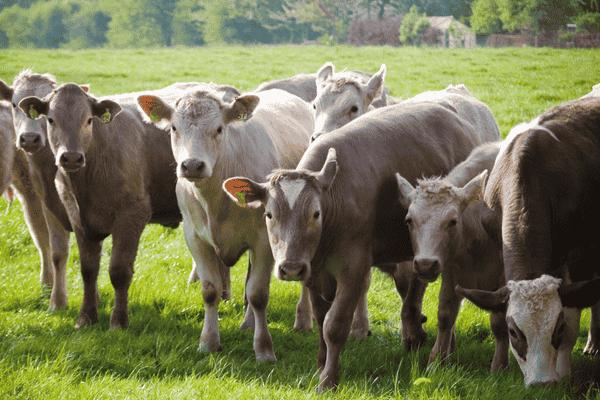
As animals age, mobility will change and changes in the function of joints will become more obvious. The changes will affect the ability of animals to move, stand, feed properly, or reach healthy body weight. Aging is unavoidable, but its impact on joint health can influence not just the well-being of the animal but the productivity of a farm operation as well.
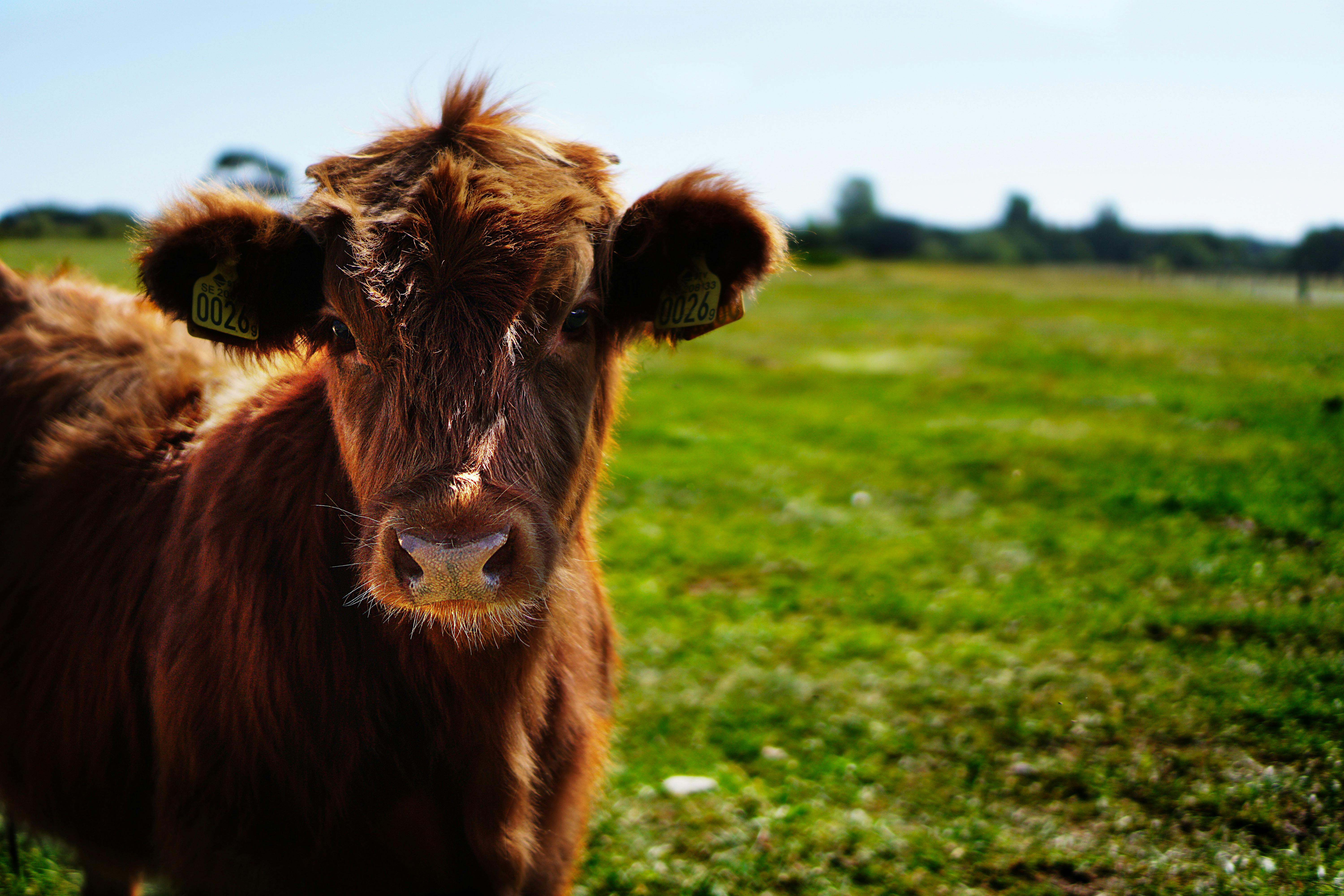
It is important to realize how joint problems affect aging cattle for successful long-term herd health management. This includes tracking physical changes, providing optimal living conditions, and considering appropriate livestock supplements that deliver structural strength without making claims about health.
The Link between Age and Joint Changes
Animals, including livestock, wear out in the joints as they age. Cartilage, the padding in the joints, can gradually wear away with time. While some animals live way beyond old age, others can begin to be less active or break down. Loss of movement in production animals can result in lower feeding, weight changes, or even compromised breeding activity.
For instance, older sheep or cows may take a while to stand up or even stiffen when they move about. Such signs may not necessarily mean damage but might be an indication of the process of aging as well as the wear and tear from body weight and repetitive movement over time.
Tracking Changes through Behavior
Farmers and caregivers can pick up early warning signs of joint issues through small changes in behavior. These may include:
l Avoidance of walking long distances for food or water
l Lying down more frequently
l Reduced contact with the herd
l Altered posture or gait
In swine, pig droppings may also reveal information regarding overall health. Rare or irregular production of waste may be a sign of reduced mobility, which can limit access to water and food. While not a direct indicator of joint health, they are observed and recorded as part of holistic animal care.
Environmental Impact on Joint Health
The environmental influence is a big factor in the joint health of show cattle with most of its symptoms being lameness, inflammation and long term joint problems developing as a result. Compared to cattle in a native grazing space, during showing, cattle are frequently engaged in a controlled environment that may increase the volume of stress that their musculoskeletal system must handle. The right show cattle health supplements can be a game-changer, providing targeted nutrients that support joint health and bone density.
The conditions in which livestock are housed and managed play a significant role in joint longevity. Smooth floors, hard concrete or overcrowded pens can place undue stress on joints. Dry, clean bedding and soft walking surfaces can facilitate easier ambulation, especially in mature animals.
Temperature fluctuations, damp environments, and uneven terrain may also challenge joint ease. Shelter planning and daily maintenance care can favor the physical functioning of older animals.
Nutrition and Supplementation for Structural Support
Good nutrition is structurally sound in the bones, ligaments, and cartilages. Foods rich in minerals like calcium, phosphorus, and magnesium play a role in maintaining skeletal integrity. Once animals start to exhibit signs of aging deterioration, farmers often try livestock supplements for better health.
Although it is always a good idea to select supplements that align with veterinarians' suggestions, some of the supplements on the market address ingredients commonly associated with joint structure, such as amino acids, trace minerals, or natural compounds. Livestock supplements with such ingredients may be suitable for long-term nutritional assistance, particularly in aged animals.
Monitoring Performance and Well-Being
The older livestock may not be as efficient as the younger ones but can, with good care, have a decent quality of life. Used as dairy, breeding stock, or just meat production, it involves working through the process of aging by keeping expectations low and monitoring significant indicators such as weight, feed conversion, reproductive ability, and activity level.
Tracking changes in production measures, behavior, and mobility enables producers to plan pasture rotation or supplement strategies and feeding routines to inform decisions. This is also essential in determining when to transition animals from active production to retirement or pasture rest.
Responsible Use of Supplements
While supplements are a standard part of animal husbandry, they should always be selected with careful thought. One should never anticipate that a fix of some sort will work on all animals or in every situation. Products should be seen as a secondary tool of a broader care program that includes diet, living conditions, veterinary care, and constant observation.
Livestock supplements will also be of varied composition, and hence labels have to be read and purchasing from good suppliers is required. Choose supplements that contribute to long-term health without making exaggerated or unproven claims.
Final thoughts
Joint disease is a natural process in the aging of livestock. Producers may promote longevity and functional maintenance in aging livestock through responsiveness to environmental factors, behavioral signs, and nutrition programs. Supplementing livestock under a discerning plan may give customized nutritional care.
In some cases, products like OptiWize Collagen Plus are believed by manufacturers to help with the structural components of connective tissue and joints. No supplement, however, can turn back the hands of time; the idea is to make each animal as comfortable and contributory as possible through attentive care and informed choices.
For farmers managing aging herds, understanding the signs of joint decline and supporting wellness through observation and smart feeding strategies remains essential. Tracking changes in gait, stance, and even such visible signs as pig dung can contribute to designing more effective long-term care measures for elderly animals.
Post Your Ad Here
Comments