How an Auto Lens Meter Enhances Precision and Efficiency in Modern Optical Practices
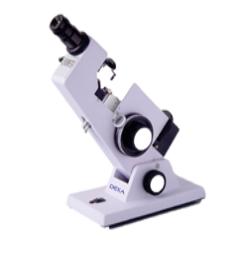
In today’s fast-paced optical
industry, accuracy, speed, and ease of use are essential for delivering
high-quality eye care. One of the most significant advancements aiding
optometrists and ophthalmologists is the auto lens meter—a digital tool
that measures the prescription of lenses with minimal manual input. Its
integration into modern optical practices is revolutionizing workflow,
improving customer experience, and enhancing diagnostic accuracy.
Here’s how an auto lens meter
is making a difference:
1. Precision in Measurement
Unlike traditional manual lens
meters, which rely heavily on the operator’s skill and visual interpretation, it
provides automated, computerized measurements. It accurately detects the
sphere, cylinder, axis, and even prism in a lens—reducing the chances of human
error. This precision is especially critical when dealing with complex
prescriptions, progressive lenses, or high-index materials.
2. Improved Efficiency and
Speed
With automatic alignment and
instant readings, an auto lens meter can analyze a lens in seconds. This
significantly boosts productivity in busy optical shops and clinics where time
is of the essence. Fast and efficient readings free up professionals to focus
more on patient care rather than manual calculations.
3. Enhanced User Experience
and Training
These are equipped with
user-friendly touchscreens, intuitive software, and voice guidance, making them
ideal for both seasoned professionals and new technicians. Training new staff
becomes quicker, and consistency across different users is maintained—ensuring
standardized results throughout the practice.
4. Multi-Lens and Progressive
Lens Capabilities
Today these are designed to
handle a variety of lens types, including bifocals and progressive addition
lenses (PALs). Advanced models automatically detect the type of lens and guide
the user through measuring different zones accurately, which is vital for
prescription verification and optical dispensing.
5. Seamless Data Integration
Many advanced auto lens meters
can connect directly to practice management software or electronic medical
records (EMRs). This eliminates manual transcription, reduces clerical errors,
and streamlines the patient workflow from start to finish.
Incorporating an auto lensmeter into modern optical practices is not just a technological
upgrade—it’s a strategic move towards accuracy, efficiency, and improved
patient satisfaction. As digital tools continue to shape the future of
optometry, this stands out as an essential device for practices aiming to stay
ahead in a competitive industry.

Post Your Ad Here
Comments