Designing for Durability: What Makes a Steel Modular Engine Rack the Smart Choice?
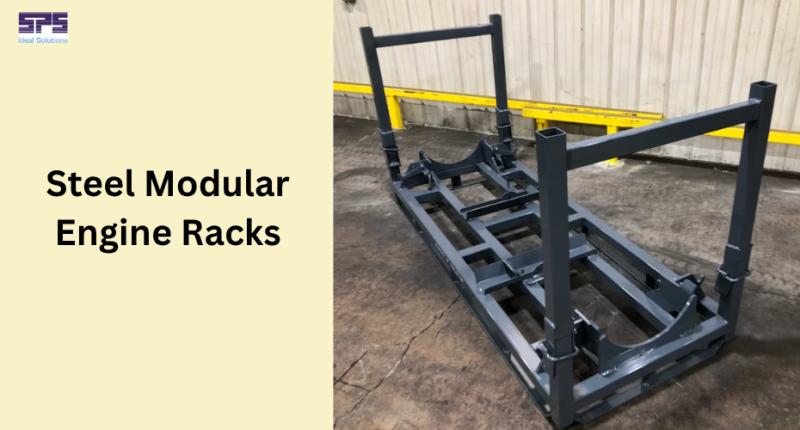
In industrial environments where heavy-duty components like
engines need to be stored, transported, and handled efficiently, durability is
non-negotiable. One solution that’s gained widespread traction in recent years
is the steel modular engine rack—a
robust and adaptable system designed to withstand the rigors of automotive
logistics.
But what exactly makes these racks so durable, and how do
they differ from traditional storage methods? In this article, we explore the
key design features and material choices that make modular steel racks a smart,
long-term investment for engine storage.
The Industrial Demands of Engine Storage
Storing automotive engines isn’t just about putting them on
a shelf. These are large, heavy components—often weighing hundreds of
kilograms—with irregular shapes and sensitive parts. They must be protected
from vibration, impact, and shifting, especially during movement through
production lines or across long distances in transport.
Conventional wooden pallets, plastic containers, or fixed
steel frames often fall short in these environments, especially when product
lines evolve. Steel modular engine racks are engineered to address these pain
points through thoughtful design and reinforced construction.
Key Features That Define Durability
Here’s a breakdown of the elements that make steel modular
racks resilient and reliable:
1. High-Grade Steel Construction
Durability
starts with materials. Modular engine racks are typically built from heavy-duty
steel that can withstand high loads, repeated handling, and harsh environmental
conditions. Powder coating or galvanization further protects against corrosion,
ensuring longevity even in high-humidity or outdoor settings.
2. Modular Engineering
Unlike
traditional fixed racks, modular designs allow for replacement or adjustment of
individual components—such as cradles, supports, or dividers—without replacing
the entire unit. This not only reduces maintenance costs but extends the usable
life of the rack system.
3. Custom-Fitted Engine Cradles
Modular
racks often include specialized dunnage or cradles tailored to the engine's
contours. These provide a snug, secure fit that minimizes jostling and wear
during movement. This level of design detail protects both the rack and the
component.
4. Load-Bearing Optimization
From
reinforced joints to strategically placed welds and gussets, every aspect of a
modular engine rack is designed to evenly distribute weight and resist
deformation. Many racks are also stackable, further increasing their
load-bearing expectations without compromising integrity.
5. Compatibility with Handling Equipment
Durable
racks must also integrate seamlessly with forklifts, pallet jacks, or automated
guided vehicles (AGVs). Steel modular engine racks are usually designed with
standardized fork pockets, lifting zones, and accessibility features that
reduce accidental impacts or structural stress during movement.
Comparing to Alternative Racking Systems
While
wooden and plastic racks may offer lower upfront costs, they often fail to
deliver over the long term in demanding environments. Wooden pallets may
splinter or collapse under load, while plastic containers can warp under
pressure or exposure to extreme temperatures.
In contrast, modular steel racks offer:
- Longer
lifecycle use
- Lower
maintenance needs
- Greater
flexibility across product changes
- Better
recyclability at end-of-life
Applications Beyond Storage
Durability
isn’t just about physical toughness—it’s about performance over time. These
racks are ideal for applications such as:
- Returnable
packaging systems in closed-loop supply chains
- Temporary
staging for engines near assembly lines
- Overseas
transport where components face long travel and
handling cycles
- Vertical
storage solutions in space-constrained warehouses
The ability to reuse and adapt modular steel racks across
different engine programs adds to their cost-effectiveness and sustainability
value.
Final Thoughts
When selecting a storage solution for heavy, high-value
components like engines, investing in durable, modular steel racks is a
smart move. The combination of strength, flexibility, and lifecycle value makes
these systems a reliable asset in both manufacturing and logistics.
To explore detailed product specifications, customizable options, and industry applications, consider reviewing solutions from experienced industrial storage providers such as SPS Ideal Solutions, who specialize in steel-based material handling systems.
Post Your Ad Here
Comments