Peripheral Vascular Disease: Best Invasive Care Options in Noida
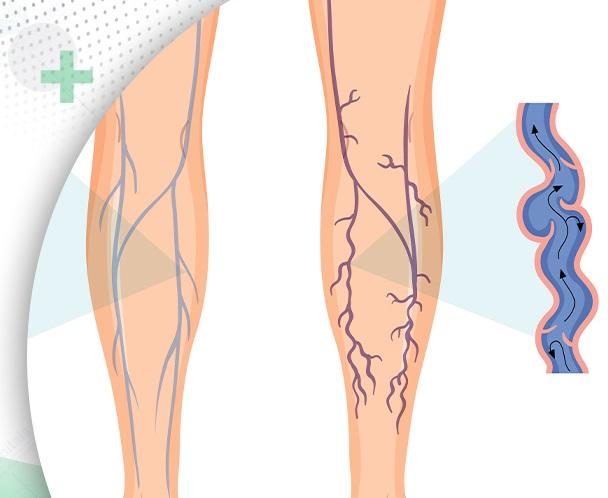
Peripheral Vascular Disease (PVD) or Peripheral Artery Disease (PAD) is a common circulatory disorder that affects millions of individuals worldwide. PVD results when the blood vessels outside the heart and head—largely the arteries that deliver blood to the legs and feet—are narrowed or blocked by deposits of fats, known as atherosclerosis. This constriction denies blood flow, which may lead to symptoms varying from trivial distress to extreme pain and even limb-threatening complications.
Having PVD can greatly affect quality of life by creating pain in the leg while walking (claudication), numbness, non-healing wounds, and in advanced cases, dead tissue resulting in gangrene. Early intervention and treatment are needed to stop progression and enhance results. Patients in Noida are lucky to have access to some of the finest vascular surgeons and cutting-edge invasive treatments, which provide hope for individuals with moderate to severe PVD.
If you or a loved one is having symptoms indicative of peripheral vascular disease, visiting the best vascular surgeon in Noida can be a life-altering experience. They employ advanced invasive therapies customized to your condition to re-establish blood flow, alleviate symptoms, and salvage limbs.

What is Peripheral Vascular Disease?
Peripheral Vascular Disease is a condition where the blood vessels outside the heart and brain become narrowed or blocked, commonly the arteries to the legs and feet. When these arteries are narrowed, the blood flow is not enough to satisfy the metabolic needs of your tissues, particularly during exertion, and produces such symptoms as:
Leg cramps or pain with walking or exercise (claudication)
Numbness or weakness of the legs
Coldness or color change of the feet or toes
Non-healing wounds or sores on the feet or legs
Slow hair growth or shiny skin on the involved limb
The main reason for PVD is atherosclerosis, in which fatty plaques develop within the walls of the arteries, gradually constricting the vessel lumen. Risk factors are smoking, diabetes, hypertension, hypercholesterolemia, and physical inactivity. If left untreated, PVD can advance to critical limb ischemia—severe rest pain, ulceration, gangrene, and even amputation risk.
When Is Invasive Treatment Recommended?
Not all peripheral vascular disease cases need invasive treatment. Lifestyle modifications, medications, and minimally invasive treatments can treat early or mild symptoms in most patients. Invasive treatment is usually advised when:
Symptoms significantly reduce the quality of life or hinder daily activities.
Critical limb ischemia occurs along with rest pain, ulceration, or gangrene.
Non-invasive treatments and medications do not correct the blood supply.
There is a need to save the limb from loss immediately.
A consultation with a vascular surgeon in Noida is crucial to assess the severity of your disease and advise on the most suitable treatment alternatives. Such experts employ diagnostic imaging like Doppler ultrasound, CT angiography, or MR angiography to chart the extent of arterial obstruction prior to suggesting invasive procedures.
Types of Invasive Treatments for Peripheral Vascular Disease
Invasive procedures are operations or minimally invasive processes used to reopen blood flow through or around obstructed arteries. They include:
1. Angioplasty and Stenting
This is a minimally invasive surgery that entails putting a tiny balloon catheter through the blocked vessel and expanding it to expand the vessel. A stent (a little metal mesh tube) can be inserted to prevent the artery from closing again in the future. Angioplasty is usually the choice for isolated blockages and provides faster recovery times.
2. Bypass Surgery
Bypass surgery is an older method in which a graft or a blood vessel taken from another site on the body is used to make a detour around the clogged artery. This is usually advised for large blockages that cannot be opened with angioplasty.
3. Endarterectomy
This operation entails cutting away the fatty plaque from the lining of the artery to enable normal blood circulation. This operation is usually done in visible arteries such as the femoral artery.
4. Thrombectomy
If a blood clot is causing a blockage of blood circulation, a thrombectomy is undertaken to cut out the clot and enable circulation.
5. Amputation
In exceptional, severe forms where tissue damage is irreparable and life-threatening infection or gangrene develops, partial or complete amputation of the affected limb may be required to preserve the patient's life.
Advantages of Invasive Over Non-Invasive Therapy
Although lifestyle adjustments, exercise therapy, and drugs are key in the management of peripheral vascular disease, invasive interventions have certain benefits for more advanced stages of the disease:
Early symptom relief: Patients experience prompt relief of pain and ability to walk.
Enhanced function of the limb: Restored circulation enhances healing of wounds and ulcers, decreasing disability.
Limb preservation: Early interventions can prevent the development of gangrene and amputation.
Improved quality of life: Patients regain their independence and mobility.
The decision between invasive and non-invasive methods will be based on disease severity, patient health, and patient choice, which will be decided by your Noida vascular surgeon.
Routine Invasive Procedures Found in Noida
Noida has a number of state-of-the-art centers offering vascular care with top-notch diagnostic and surgical amenities. Patients can access:
Advanced catheterization labs for angioplasty and stenting.
Operating rooms with dedicated vascular surgical staff.
Multidisciplinary care including wound care and rehabilitation.
Experienced vascular surgeons skilled in the latest techniques.
The availability of comprehensive care under one roof ensures patients receive seamless treatment from diagnosis to recovery.
Preparing for Your Invasive Vascular Treatment
Preparation is crucial for a successful procedure and smooth recovery. Your healthcare team will provide detailed instructions which may include:
Pre-operative blood tests and imaging studies.
Medication review and adjustments, especially blood thinners.
Fasting before surgery or intervention.
Arranging transportation and post-procedure care at home.
Knowing the procedure of peripheral vascular disease treatment in Noida keeps you updated and assured with your treatment process.
Risks and Complications of Invasive Treatment
Similar to any surgery or invasive intervention, there are possible risks such as:
Infection at the incision or catheter site.
Bleeding or hematoma formation.
Damage to blood vessels or nerves.
Blood clots or embolism.
Allergic reactions to contrast dye (used in angiography).
Yet, with seasoned surgeons and innovative techniques, all these risks are avoided. Post-surgical care and follow-up are critical to achieve the best results.
Early invasive treatment by the experts in Noida can salvage limbs and lives. Schedule your appointment today to discuss individualized treatment plans.
Conclusion
Peripheral vascular disease is a condition requiring prompt and effective treatment. Invasive therapies in Noida offer strong solutions to regain circulation, relieve symptoms, and avoid disastrous consequences such as amputation. Consulting with experienced vascular surgeons at established institutions guarantees you expert, holistic treatment best suited to your needs.
Before starting treatment, make sure to discuss the peripheral artery disease surgery cost in Noida openly with your care provider to make well-informed decisions about your health and finances.
Taking swift action now can preserve your mobility and quality of life—don’t delay.
Source: https://www.felixhospital.com/blogs/invasive-treatment-noida-peripheral-vascular-disease
Post Your Ad Here
Comments