Print Your Way to Hired: DIY Resume Kits That Make a Lasting Impression
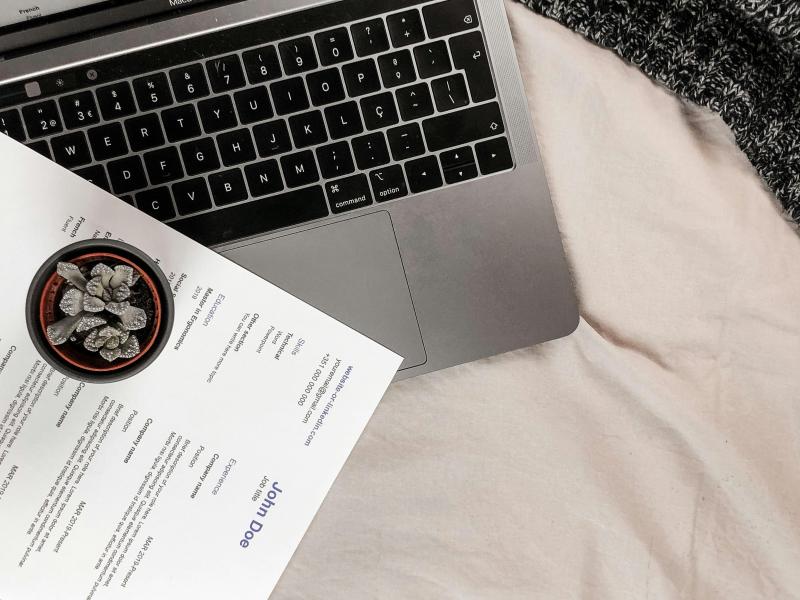
Craft Your Resume Kit with Confidence - Essential Print-Ready Tools for Job Seekers and Fresh Graduates in the Middle East
In an increasingly competitive job market, standing out goes beyond a strong CV or a well-written cover letter. First impressions often start with the details, from a crisp printed resume to the subtle polish of a custom-labeled folder. For young professionals and fresh graduates across the GCC and wider Middle East, investing in a well-prepared job search kit can be the game-changer that leaves a lasting impact.
As career fairs, interviews, and networking events begin to return in full force across the region, the ability to present yourself professionally both on and off paper is more important than ever. With the right tools at home, it’s easier than many think to create a tailored and visually appealing resume kit that reflects not only your experience but your personality and professionalism too.
1. Start with a Clean, Printed Resume
Although many applications are now submitted online, printed resumes are still crucial for in-person meetings, networking events, and career fairs. A clean, well-formatted resume printed on quality paper feels more intentional and easier to reference during a conversation. Compact printers at home now offer high-resolution text clarity, borderless printing, and advanced paper handling that mimic professional services, giving job seekers the ability to revise and print fresh copies without stepping outside.
Tip: Keep multiple versions of your resume on file for different roles. A printer that works with cloud access or USB storage allows for quick edits and reprints when needed.
2. QR-Linked Business Cards for a Digital Edge
Traditional business cards are making a comeback, especially in markets like the UAE and Qatar where networking still holds cultural importance. But why stop at the basics? Modern job seekers can incorporate QR codes that link to digital portfolios, LinkedIn profiles, or even personal websites. This allows hiring managers and recruiters to instantly access more information with a single scan.
By using design software or online templates paired with a compact label or card printer, you can print personalized business cards from the comfort of home. Small tweaks, like minimalistic layouts or subtle pops of color, help cards look elevated without the need for outsourcing.
3. Organize with Precision Using Custom Labels
Presentation extends beyond the resume itself. Consider using a labeller to organize file folders that hold your resume, cover letters, certificates, or work samples. It shows attention to detail and makes your documents easier to manage. For those attending multi-day job fairs or submitting portfolios in hard copy, color-coded or clearly labeled folders help create a strong visual system.
Label printers can also be used to create name tags or ID badges for networking events, mock interviews, or even on-campus job fairs. Reusable, customizable labels mean you can tailor them to each event or opportunity, all while maintaining a polished look.
4. Build a Portable Interview Kit
An interview kit can be a physical representation of your preparedness. Consider assembling a slim file folder that includes:
Multiple copies of your printed resume
A list of references
Printed portfolio samples or project summaries
A labeled USB drive with digital copies of your work
A business card with a QR code link to your portfolio
Compact printers with dual-function scanning allow you to digitize signed reference letters, work certificates, or handwritten notes, especially useful for fast follow-ups or online applications.
5. Portfolio Prep that Speaks Volumes
For creative fields like marketing, architecture, or design, a digital portfolio is essential. But a printed version still offers a tactile experience that clients and employers appreciate. You can use crafting or compact inkjet printers to create high-quality visual pages, complete with photo inserts, project annotations, and styled dividers.
Printed portfolios give you more control over layout, storytelling, and design. They are also invaluable for last-minute in-person interviews where Wi-Fi may not be available or screen-sharing isn’t ideal.
6. Prep for Local Events and Career Fairs
In cities like Dubai, Riyadh, or Doha, job fairs and professional networking events are regular fixtures. Many of these cater to niche industries, which means personalized materials can help you shine. Use print tools to create branded folders, name tags, and event checklists. If you’re manning a student booth or startup stall, signage and price tags for services can also be printed at home to save time and costs.
Being prepared also reflects confidence and ambition, two qualities recruiters across the Middle East often look for.
Polishing Your Presence in a Competitive Market
Job hunting can feel overwhelming, especially when it’s your first time stepping into the workforce or transitioning careers. But the tools to create a sharp, memorable presence are more accessible than ever. With the right home-based equipment and a thoughtful approach to presentation, job seekers across the GCC can build resume kits that work as hard as they do.
From smartly printed resumes and business cards to labeled folders and QR-enhanced portfolios, each element contributes to the story you’re telling. It’s not just about getting noticed, it’s about being remembered for the right reasons. And in a region where personal presentation and professionalism are deeply valued, every detail truly counts.
Post Your Ad Here
Comments