External Gas Meter Boxes: Choosing Safe and Compliant Housings
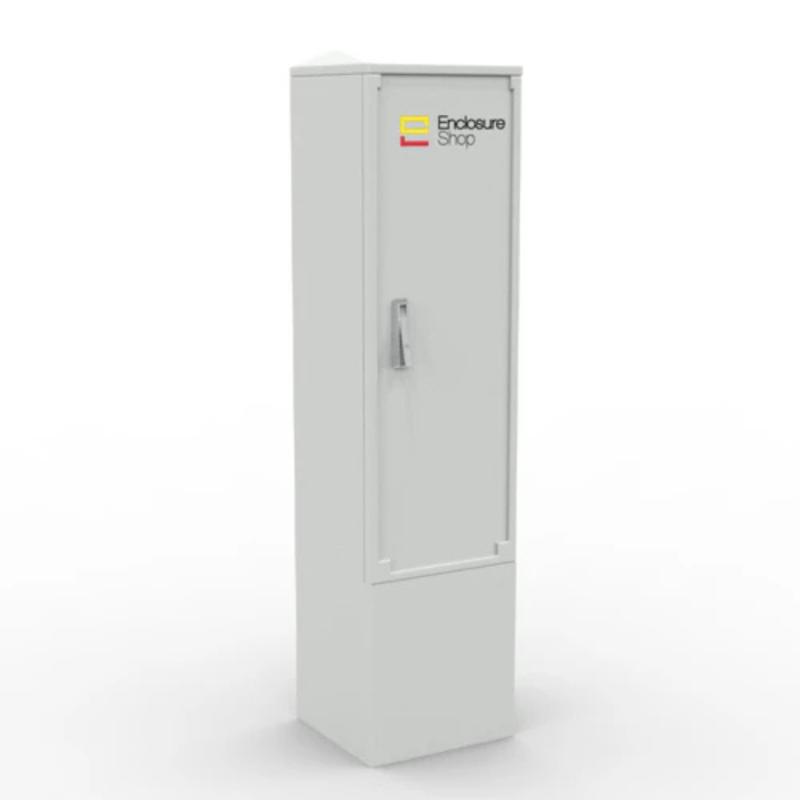
When it comes to managing gas supply at homes or commercial buildings, safety and compliance are the top priorities. One of the most important parts of a gas installation is the external gas meter box. This enclosure protects the gas meter and ensures that the installation is secure, weatherproof, and easy to access for readings and maintenance.
In this guide, we'll walk you through everything you need to know about choosing the right gas meter enclosure. We'll cover different types such as floor-mounted gas meter boxes, outside gas meter boxes, GRP housings, and more. We'll also explain key safety and legal requirements so you can make a confident and informed decision.
What is a gas meter enclosure?
A gas meter enclosure is a box or housing designed to protect a gas meter from external elements. These enclosures are often placed outside of a building, allowing utility workers to access the meter without entering the property.
They serve several purposes:
Protection: Shield the gas meter from weather, tampering, and physical damage.
Safety: Prevent unauthorized access or accidental contact with gas fittings.
Compliance: Meet the required building regulations and utility standards.
Convenience: Allow easy reading and maintenance of the gas meter.
Why Is Choosing the Right Gas Meter Box Important?
Choosing the right gas meter housing isn’t just about appearance. It’s about safety, regulation, and long-term durability. A poor-quality or non-compliant box can lead to safety hazards, failed inspections, and costly replacements.
Here’s why it matters:
Legal compliance: The box must meet UK building and gas regulations.
Weather resistance: It should be waterproof and corrosion-resistant.
Material strength: It must withstand physical impact and wear.
Ease of installation: Suitable for your building type and meter location
Types of External Gas Meter Boxes
There are several types of external gas meter boxes. Let’s explore the most common options:
1. Floor-Mounted Gas Meter Box
A floor-mounted gas meter box sits directly on the ground. It’s often used in commercial settings or homes where wall space is limited.
Advantages:
Easy access for reading and servicing
Stable and secure
Ideal for detached installations
Things to Consider:
Must be installed on a flat, stable surface
May require a concrete base or plinth for support
2. Wall-Mounted Gas Meter Box
This is the most common type of external meter box found on homes in the UK. It’s fixed to the external wall, typically at eye level.
Advantages:
Space-saving
Convenient height for access
Widely accepted by utility companies
Things to Consider:
The wall must be suitable to hold the box securely.
Ensure the box is installed to meet venting and distance regulations.
3. GRP Housing (Glass Reinforced Plastic)
A GRP housing is made from strong, weather-resistant material that’s ideal for outdoor use. GRP, or glass-reinforced plastic, is durable, lightweight, and corrosion-resistant.
Advantages:
Long lifespan in harsh weather
Vandal- and tamper-resistant
Low maintenance
Things to Consider:
May cost more upfront, but lower maintenance costs in the long run
Choose a size that fits your meter model.
4. Steel or Metal Enclosures
Metal gas meter boxes offer high-level protection, especially in public or high-traffic areas.
Advantages:
Very strong and secure
Ideal for industrial or exposed locations
Things to Consider:
Can corrode if not properly treated
Heavier and may require reinforced mounting
Features to Look for in a Quality Gas Meter Enclosure
When choosing a gas meter box, look for the following important features:
Weather Resistance
It should be waterproof, UV resistant, and able to withstand rain, snow, and sunlight
Material Quality
GRP is ideal for longevity; metal is best for strength.
Security
Lockable doors or covers to prevent tampering
Ventilation
Proper airflow to prevent gas buildup inside the enclosure
Regulatory Compliance
Check if the box is compliant with BS 8499 and other UK standards.
Easy Installation
Comes with fittings, brackets, and clear instructions
Accessibility
It should be easy for meter readers and service engineers to open and use.
Compliance and UK Regulations
In the UK, all gas installations must meet certain safety and building standards. Here are the main rules to be aware of:
BS 8499:2009: Specifies requirements for meter boxes, including materials, design, and installation.
Gas Safe Register: All gas work must be carried out by registered professionals.
Distance Regulations: Boxes must be placed a minimum distance from doors, windows, and air bricks.
Accessibility: Meters must be easily accessible to utility providers.
It’s best to consult with your gas supplier or installer to ensure the installation meets all relevant guidelines.
Maintenance Tips
Keeping your gas meter box in good condition ensures it stays safe and functional. Here are some quick maintenance tips:
Inspect regularly for cracks, rust, or signs of damage.
Keep vents clear to allow proper airflow.
Clean gently with warm soapy water—avoid harsh chemicals.
Check locks and hinges to ensure they open and close easily.
Final Thoughts
A safe, compliant, and durable gas meter enclosure is essential for any property. Whether you choose a floor-mounted gas meter box, a GRP housing, or a standard outside gas meter box, the key is to ensure it meets UK safety standards and fits the needs of your installation.
Taking the time to choose the right enclosure will give you peace of mind, reduce maintenance costs, and ensure easy access for years to come.
If you're unsure what type of enclosure to choose, consult with a qualified installer or contact your gas supplier for guidance.

Post Your Ad Here
Comments