How Chinese Translation Becomes Your Digital Passport to a Billion Screens?
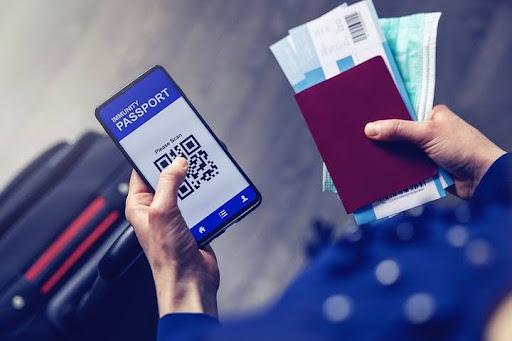
When you make an app, video, or website, translation can open doors. Chinese covers over a billion screens, from China, Taiwan, Singapore, and more. To reach them, smart teams use English to Chinese translation services. But it’s not only about changing words. It’s about adapting ideas, format, and culture. This gives your content a real voice in every place.
Not Just Mandarin: Many Chinese Audiences
Mandarin is the main language. But China is big and varied. Cantonese is common in Hong Kong. Southern areas use Fujianese phrases. In Taiwan, reading uses traditional characters. If you don’t adjust, your work can feel odd or unreadable. Teams know this. They offer Taiwan language translate services so your message fits every screen.
Characters or Words? Script Matters
China uses simplified characters. Taiwan and Hong Kong use traditional. A site in China may look messy if you use the other style. Even fonts may not show up. Graphic layouts can break. That’s why translations must match script choices. The right script keeps content clean and friendly.
Local Tone Connects People
Some styles fit one place but not another. In China, strokes and slang may feel new or bold. In Taiwan, the tone is more polite. MarsTranslation knows this. They adjust tone to match culture. A fun line on Douyin may feel rude in Taiwan. The team changes it to “lovely” or “supportive.” This makes readers feel at home.
Choosing the Right Format for Numbers and Dates
“3/4/2025” means March 4th in the U.S., but April 3rd in some countries. In China, they write “2025年3月4日.” Taiwan also uses similar formats. Dates and numbers must be adjusted. Currency symbols matter too. “¥100” in China is yuan. Make it clear so readers don’t get confused.
Colors and Emotions Need Care
Colors carry meaning. Red in China is lucky, but in other Chinese regions used subtly. Green can mean health or sickness depending on context. Blue is seen as calm and clean. A translator works with design to pick colors that match local meanings and still feel right.
Icons and Visual Cues for Each Place
Some icons may seem universal, but others don’t. A pig icon may remind people of a year of celebration, but not all users. A moon cake image works in China but not in Taiwan. Designers and translators meet to choose clean and familiar visuals.
Words on Buttons Should Feel Natural
Buttons like “Submit” or “Download” need natural phrases. In China, “立即下载” (download now) is common on apps. In Taiwan, “立即取得” (get now) may be preferred. Translators choose common words so users don’t hesitate or miss the button.
Video Subtitles Must Sync to Reading Habits
Chinese subtitles on videos must fit small screens. They should display fast and seem natural. Mandarin viewers expect 2–3 characters per word. In Taiwan, subtitles may stay longer on screen. MarsTranslation adjusts timing and length for each audience.
Use Local Features and Festivals
Tapping into Lunar New Year, Dragon Boat Festival, and Mid-Autumn celebrations builds connection. A marketing message that honors moon cakes and red envelopes feels warm. A note that mentions rum may not land. Teams adapt messages to fit each festival.
Search Keywords Should Match Local Usage
Chinese search terms vary. For mobile apps, many users search “美食” (food) in China, but may use “小吃” (snacks) in Taiwan. Teams do regional SEO research. They pick the right words so users find your app in their language.
Care When Using English Words
Some apps use English words in Chinese: “Wi-Fi,” “app,” “email.” But not all users like them. In China, “应用” (app) is more common. In Taiwan, people may write “程式.” Smart translators choose the right term for each region.
Voice-Over Actors Make a Difference
In videos or apps, voices matter. A cheerful Mandarin voice works in China. But in Hong Kong and Taiwan, tones are softer. Teams recruit local voice actors. They match accents and speech style so users feel at ease.
UI Layout for East Asian Typography
The Chinese need more vertical space. If characters are too big, text may overlap. Menus wrap text differently. Buttons may need to be taller. Designers adjust. Translators test layouts on real devices to see if text fits well.
Customer Support Must Match Local Feel
If your help page is in Chinese, offer support that speaks the way people expect. In China, support may be direct. In Taiwan, it may be more polite. Translation experts write supportive answers in local style so users feel cared for.
Payment Options and Local Preferences
WeChat Pay and Alipay are common in China. Taiwan uses Line Pay and credit cards more. If your app shows WeChat Pay in Taiwan, users may feel confused. Translators add correct payment options for local users.
Use Local Testing Before Launch
Before going live, test with local users. They spot odd terms, wrong formatting, or layout breaks. This helps fix errors early. A smart team will check screens, flow, and tone with local testers. That makes your app or site feel right when launched.
Keeps Updates Fresh and Local
Languages and habits change. New words, apps, and slang appear. After launch, teams keep updating translations. They check newly added content, festival messages, or layout changes. This keeps your product fresh and trusted.
Partnering with Expert Teams
Teams like MarsTranslation offer full support. They handle scripts, tone, layouts, testing, voice, and support. They know each script style and market. This saves you from mistakes and builds confidence in every market.
Measuring Impact on Growth
After translation, you look at the numbers. Do more people download? Do users stick around longer? Do they share and comment? If yes, then translation worked. If not, teams refine words and features.
Final Words!
With smart translation, your digital product can shine across Chinese-speaking regions. It becomes not just another app, it becomes a local experience. When words, tone, visuals, and layout match the culture, users feel welcome. That is the power of translation. It gives you a digital passport to over a billion screens, and hearts too.
Post Your Ad Here
Comments