How to Check If Your Ordered BMW Part Is Genuine or OEM
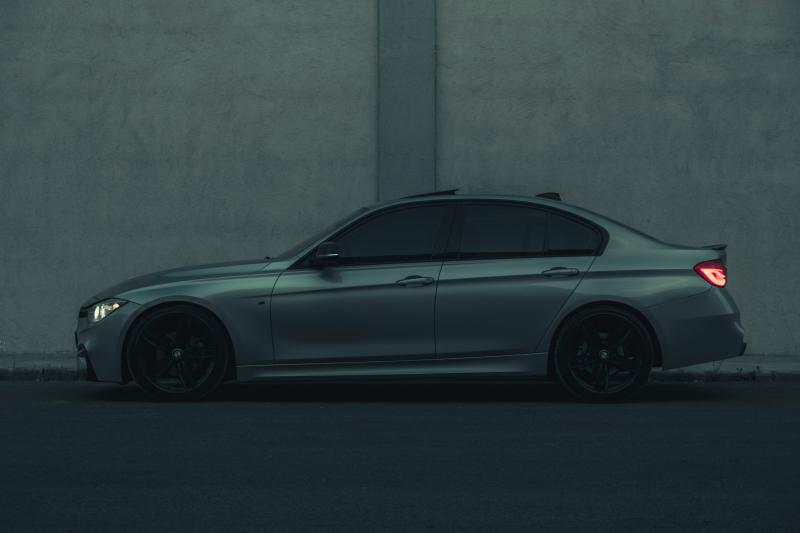
If you’ve ever ordered a replacement part for your BMW—whether it’s a sensor, control unit, or water pump—you’ve probably asked yourself the same question: is it actually genuine? Because when it comes to BMWs, fit and finish aren’t just details—they’re the difference between smooth performance and chasing mystery faults for weeks.
Knowing how to spot a real BMW part is more than just a skill. It’s part of owning the car the way it was meant to be driven.
What Makes a BMW Part “Genuine”?
A genuine part is one made by or for BMW to exact factory specifications. That includes everything from the alloy used in your control arm to the way an ECU is coded for your VIN. It’s not just about branding—it’s about function, compatibility, and long-term reliability.
But in a market where replicas, “OEM-style,” and grey imports are everywhere, knowing what you’re getting can be tricky. Here's how to check—without guesswork.
1. Start with the Part Number
The most dependable way to verify authenticity? The part number. Genuine BMW parts are marked with an 11-digit code—like 11 36 7 547 184—usually stamped directly into the part. These numbers can be cross-referenced with BMW’s official catalog (try RealOEM or ETK). If you’re looking at a part with no number, or one that doesn’t match your model... something’s off.
Genuine used parts? Same rule applies. A cleanly removed original will still have its part number intact.
2. Check the Branding and Finish
BMW genuine parts typically carry a small BMW roundel or the full BMW Group logo, along with their OE supplier's mark—Bosch, ZF Sachs, Mahle, Valeo, and others. It’ll be etched or embossed, never printed on with cheap ink.
Pay attention to the finish too: BMW parts have clean machining, proper casting, and tight rubber seals. If the part feels light, unfinished, or oddly textured, you’re likely looking at a copy.
3. Look at the Packaging (If It’s New)
New BMW parts come in smart, branded boxes—complete with barcode stickers, part numbers, and sometimes tamper seals. Packaging might vary slightly depending on the factory, but it’s never generic. If your part arrives in plain bubble wrap with no label or origin, it’s worth asking questions.
4. Ask the Seller — and Choose the Right One
A trustworthy seller will know what they’re selling—and have no issue showing you close-up photos, part numbers, or even matching it to your VIN.
If you’re shopping second-hand, look for established BMW breakers who specialise in tested, original parts. BMW parts suppliers like MT Auto Parts, for instance, focus solely on BMW used auto parts from post-2012 F and G generation cars, and typically provide full transparency on part origin, mileage, and compatibility. It’s not a sales pitch—it’s just how you avoid guesswork.
5. Bonus: Use BMW Diagnostic Tools
For ECUs, sensors, and electronic modules, your BMW’s diagnostic system (like ISTA or INPA) can often confirm whether a part is recognised as OEM. It’s the cleanest way to check a component once it’s installed—especially if you’re troubleshooting why something doesn’t behave as expected.
Why This Matters More Than Ever
In 2025, as BMW auto spares continue to climb in price, more fakes and generic substitutes are entering the market—some even sold as “OEM equivalent.” But what they don’t offer is peace of mind and the same quality.
Whether you’re doing a major engine rebuild or just replacing a brake wear sensor, BMW parts need to do exactly what they’re built for—first time, every time.
Knowing how to verify a part is genuine isn’t about snobbery. It’s about protecting your car, your money, and that driving experience BMW engineered from the factory.
Post Your Ad Here