The Power of Digital Marketing: Transforming Businesses in the Digital Age
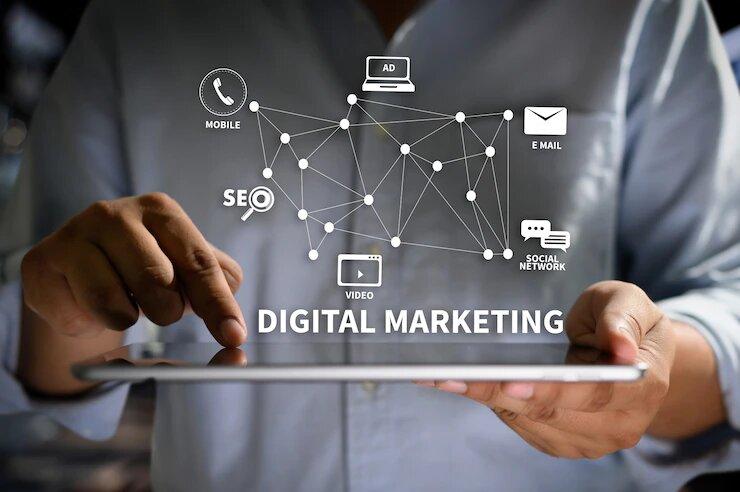
The Power of Digital Marketing: Transforming Businesses in the Digital Age
In the fast-paced, ever-evolving world of business, the need for effective marketing strategies has never been more crucial. With the digital landscape continuously growing, traditional marketing methods are slowly being replaced by digital marketing tactics that offer a more targeted, measurable, and cost-effective way to connect with customers. The shift towards digital marketing is not just a trend—it's a fundamental change that businesses must embrace in order to stay competitive.
Adil Raseed is one of the leading voices in the digital marketing space, known for his ability to craft strategies that drive growth, engagement, and results. His expertise highlights the importance of staying ahead of the curve in the digital world. In this post, we'll explore the fundamentals of digital marketing, why it's crucial for modern businesses, and how digital marketers like Adil Raseed are making a significant impact.
Also Read- 10 Tips for An Awesome and SEO-friendly Blog Post
What is Digital Marketing?
Digital marketing is a broad term that encompasses all marketing efforts conducted through digital channels. This can include everything from social media marketing, search engine optimization (SEO), pay-per-click (PPC) advertising, email marketing, to content creation and beyond. The goal of digital marketing is to connect businesses with their target audience via the internet, making it possible for them to interact in real-time, gather data, and measure the success of their campaigns.
The key components of digital marketing are:
-
Search Engine Optimization (SEO): SEO focuses on optimizing your website and content to rank higher on search engine results pages (SERPs). The objective is to attract more organic traffic from search engines like Google, which often becomes the primary source of website visits for businesses.
-
Pay-Per-Click (PPC) Advertising: PPC campaigns allow businesses to run paid ads on platforms like Google and social media channels. Advertisers pay each time a user clicks on the ad. It’s a highly targeted method to drive traffic quickly, and if done correctly, it can yield a high return on investment (ROI).
-
Content Marketing: Content is king in digital marketing. Whether it’s through blogs, eBooks, videos, or infographics, content marketing helps businesses provide valuable information to their audience. This approach positions the business as an expert in its field and nurtures customer trust.
-
Social Media Marketing: With billions of active users across various platforms, social media marketing allows businesses to directly connect with customers. Platforms like Facebook, Instagram, LinkedIn, and Twitter allow for engagement, content sharing, and brand promotion.
-
Email Marketing: Email marketing remains one of the most cost-effective methods for businesses to communicate with customers. By sending targeted emails, businesses can promote products, offer special discounts, and nurture relationships with their subscribers.
-
Affiliate Marketing: Affiliate marketing involves partnering with affiliates (individuals or companies) to promote your products and services. Affiliates earn a commission based on the sales or leads they generate, making it a performance-driven strategy.
-
Influencer Marketing: With social media influencers wielding immense power over consumer behavior, influencer marketing has become an essential part of many brands’ digital marketing strategies. By collaborating with influencers, businesses can reach larger and more targeted audiences.
-
Video Marketing: Video marketing has grown exponentially in recent years, as videos are engaging, easy to consume, and shareable. Platforms like YouTube, Instagram, and TikTok have revolutionized how businesses interact with their audience through video content.
Also Read- Demystifying the Differences: SEO vs. E-commerce SEO
Why Digital Marketing is Crucial for Modern Businesses
The importance of digital marketing in today’s business world cannot be overstated. With the majority of consumers spending a significant amount of their time online, businesses must adapt their marketing strategies to meet their customers where they are. Here’s why digital marketing is crucial for modern businesses:
-
Wider Reach: Traditional marketing methods are often limited by geographical boundaries. Digital marketing, on the other hand, allows businesses to reach a global audience, enabling them to expand their market beyond local or national boundaries.
-
Cost-Effective: Compared to traditional advertising methods like TV or print ads, digital marketing is far more cost-effective. Many digital marketing strategies, such as SEO, content marketing, and social media marketing, can be done with relatively low budgets and still deliver impressive results.
-
Real-Time Tracking and Analytics: One of the biggest advantages of digital marketing is its ability to measure the effectiveness of campaigns in real-time. Through tools like Google Analytics and social media insights, businesses can track metrics such as website traffic, conversion rates, and engagement, allowing them to adjust their strategies and optimize their campaigns for better results.
-
Targeted Marketing: Unlike traditional marketing, which often casts a wide net, digital marketing allows businesses to target specific demographics based on interests, behaviors, location, and more. This ensures that the right message reaches the right audience at the right time, maximizing the chances of converting prospects into customers.
-
Improved Customer Engagement: Digital marketing fosters direct communication between businesses and their customers. Through social media platforms, live chats, and email marketing, businesses can engage with their audience, answer questions, and offer personalized experiences.
-
Brand Awareness: Digital marketing helps businesses build brand awareness by increasing their online presence. Whether through SEO, paid ads, or social media, businesses can ensure that more potential customers are exposed to their brand.
-
Higher Conversion Rates: Digital marketing allows businesses to drive targeted traffic to their website and convert those visitors into customers through well-crafted calls to action (CTAs), optimized landing pages, and personalized offers.
Also Read- Build A Content Marketing Plan in 10 Steps
The Role of a Digital Marketer
A digital marketer is responsible for creating, executing, and managing digital marketing campaigns that promote a brand or product. The role is multifaceted, requiring both creative and analytical skills to drive results.
Some of the core responsibilities of a digital marketer include:
-
Strategy Development: Digital marketers develop strategies that align with business goals. They choose the right digital channels (SEO, PPC, social media, etc.) based on the brand’s target audience and objectives.
-
Content Creation and Curation: Content is central to most digital marketing efforts. Digital marketers create original content (blogs, videos, social posts) or curate existing content that resonates with the audience and promotes the brand’s message.
-
SEO and SEM: A digital marketer ensures that a website and content are optimized for search engines. They may also run paid search campaigns (PPC) to drive targeted traffic to the website.
-
Social Media Management: Digital marketers are responsible for managing a brand’s social media presence. This includes creating and scheduling posts, responding to customer inquiries, and running paid social media campaigns.
-
Email Marketing: Digital marketers design and run email campaigns to nurture leads and engage with customers. This includes writing compelling email content and analyzing metrics like open rates and click-through rates to improve future campaigns.
-
Analytics and Reporting: One of the key responsibilities of a digital marketer is to track and analyze the performance of campaigns. They use tools like Google Analytics to measure website traffic, conversion rates, and other KPIs to optimize campaigns and report on ROI.
Also Read- 9 Tips for Effective Meetings
Adil Raseed: A Leader in Digital Marketing
Adil Raseed is a digital marketing expert who has earned a reputation for delivering outstanding results for businesses across industries. His approach is rooted in data-driven decisions, customer-centric strategies, and continuous optimization.
Here’s how Adil Raseed stands out in the crowded digital marketing space:
-
Results-Oriented Approach: Raseed is known for his ability to generate measurable results for his clients. He uses a data-driven approach to design campaigns that maximize ROI and deliver real, tangible outcomes.
-
Customized Strategies: Raseed understands that every business is unique. Rather than relying on generic solutions, he tailors his strategies to meet the specific goals, challenges, and target audience of each business.
-
Master of Social Media: Raseed is a master of social media marketing, leveraging platforms like Instagram, Facebook, and LinkedIn to build brand awareness and engage customers. His social media campaigns are designed to foster community and drive conversions.
-
Cutting-Edge Tools and Trends: Raseed stays ahead of the curve by embracing emerging digital marketing tools and trends. Whether it’s artificial intelligence, automation, or new social media algorithms, he ensures that his clients benefit from the latest innovations in the industry.
-
Customer-Focused: Above all, Raseed’s marketing strategies are centered around the customer. He focuses on creating personalized, relevant experiences that resonate with the target audience and drive long-term loyalty.
Also Read- How to do a PPC Competitive Analysis
Conclusion
In today’s digital-first world, businesses must adapt to new marketing strategies if they want to stay competitive. Digital marketing offers an unparalleled opportunity to connect with a wider audience, drive traffic, and increase conversions, all while being more cost-effective and measurable than traditional marketing methods.
Experts like Adil Raseed have demonstrated that a tailored, data-driven approach is key to achieving success in the digital age. By leveraging SEO, PPC, social media marketing, and other digital tactics, businesses can not only increase their visibility but also build lasting relationships with customers.
The future of marketing is digital, and the time to start investing in digital marketing is now. Embrace the power of digital marketing, and watch your business thrive in the ever-evolving digital landscape.
Post Your Ad Here
Comments