Digital Marketing: Unlocking the Potential for Your Business Growth
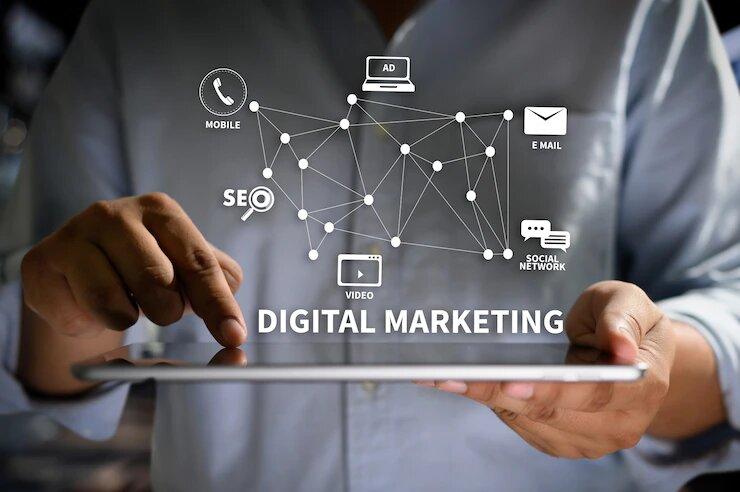
In today’s digitally-driven world, marketing has evolved in ways that were unimaginable just a few decades ago. Traditional methods like print advertising, billboards, and television commercials still have their place, but the real power now lies in digital marketing. With billions of people connected to the internet, businesses have an unprecedented opportunity to reach their target audience, engage with customers, and increase conversions through online channels.
Whether you're running a small business or managing a large corporation, understanding the intricacies of digital marketing is crucial for success. In this blog post, we will explore the key components of digital marketing, how it works, and why it's so important for businesses today.
What is Digital Marketing?
Digital marketing refers to any marketing efforts that use electronic devices or the internet to connect with potential customers. This includes a broad range of online activities such as search engine optimization (SEO), social media marketing, email marketing, pay-per-click (PPC) advertising, and much more.
Digital marketing allows businesses to reach a global audience and tailor their marketing strategies to specific segments. Unlike traditional marketing, which can be broad and less targeted, digital marketing uses data analytics to provide insights and help optimize strategies for higher returns.
Also Read- Social Bookmarking Sites List
Key Components of Digital Marketing
To successfully leverage digital marketing, businesses must utilize a variety of channels and tactics that work together. Let’s dive into the most important components of a digital marketing strategy:
1. Search Engine Optimization (SEO)
SEO is the practice of optimizing your website to rank higher on search engine results pages (SERPs), which increases your visibility. When people search for products or services that you offer, SEO helps ensure that your website appears among the top results. The higher your ranking, the more likely users are to visit your site, boosting traffic and conversions.
Key SEO elements include:
-
On-page optimization: This involves optimizing content on your website, including keywords, meta tags, and images, to make it more discoverable by search engines.
-
Off-page SEO: This refers to strategies that occur outside of your website, such as link building and social media activity, which can improve your site's authority.
-
Technical SEO: This focuses on the backend structure of your website, ensuring it is mobile-friendly, fast, and easily crawlable by search engines.
2. Content Marketing
Content marketing involves creating and distributing valuable, relevant, and consistent content to attract and engage your target audience. The goal is to provide your customers with content that solves their problems, educates them, or entertains them, thereby fostering a relationship with your brand.
Key types of content include:
-
Blogs: Writing informative and engaging blog posts is one of the best ways to attract organic traffic and educate potential customers.
-
Videos: Video content is highly engaging and shares your brand message more effectively.
-
Infographics: These visual representations of data or information are a great way to convey complex topics quickly and effectively.
-
E-books and Whitepapers: These resources allow you to provide in-depth information, often in exchange for customer contact details.
3. Social Media Marketing
With over 4.2 billion social media users globally, platforms like Facebook, Instagram, Twitter, LinkedIn, and TikTok offer immense opportunities for brands to connect with their target audience. Social media marketing involves creating and sharing content, engaging with users, and running ads to build your brand presence.
Successful social media marketing includes:
-
Content Creation: Share valuable, interesting, or entertaining content to engage your audience and encourage interaction.
-
Community Engagement: Respond to comments, engage in conversations, and build a community around your brand.
-
Paid Advertising: Social platforms offer robust ad targeting options that allow you to reach specific demographics, interests, and behaviors.
4. Pay-Per-Click (PPC) Advertising
PPC is an advertising model where advertisers pay each time a user clicks on one of their ads. Platforms like Google Ads, Bing Ads, and Facebook Ads allow businesses to target specific keywords, locations, and demographics.
Benefits of PPC:
-
Immediate Traffic: Unlike organic SEO, which can take time to show results, PPC campaigns can drive traffic almost immediately.
-
Highly Targeted: PPC allows businesses to target their ads to specific keywords, locations, devices, times, and more, making it a very effective form of advertising.
-
Measurable ROI: You can track the performance of your ads in real-time, allowing for quick adjustments to optimize results.
5. Email Marketing
Email marketing remains one of the most effective channels for nurturing leads, maintaining customer relationships, and driving sales. Email marketing involves sending targeted messages to a specific group of people via email, often in the form of newsletters, promotional offers, or automated sequences.
Effective email marketing strategies include:
-
Personalization: Tailoring emails to the interests and behaviors of individual recipients boosts open rates and conversions.
-
Segmentation: Dividing your email list into segments based on specific criteria (such as location, past purchases, or interests) allows for more targeted messaging.
-
Automation: Automated email sequences help nurture leads and guide them through the buyer’s journey without requiring manual effort.
6. Affiliate Marketing
Affiliate marketing involves partnering with other businesses or individuals (affiliates) to promote your products in exchange for a commission on each sale or lead generated. It is performance-based marketing, meaning affiliates are only paid when they deliver results.
Benefits of affiliate marketing:
-
Cost-Effective: You only pay affiliates when they generate a sale or lead, making it a low-risk investment.
-
Extended Reach: Affiliates can help promote your products to new audiences, increasing your brand exposure.
7. Influencer Marketing
Influencer marketing involves collaborating with influential individuals on social media or blogs to promote your products. These influencers have large, engaged followings, and their recommendations can significantly impact consumer decisions.
Successful influencer marketing strategies include:
-
Choosing the Right Influencer: The influencer should align with your brand values and target audience.
-
Clear Expectations: Be clear about what you expect from the collaboration, including the type of content and the timing of posts.
-
Authenticity: Influencers should promote your product in an authentic way that resonates with their audience, rather than making it feel like a hard sell.
Why is Digital Marketing Important?
Digital marketing is more important than ever in today’s business environment. The internet is the primary source of information for consumers, and brands that are not leveraging digital marketing are missing out on a massive opportunity to engage with potential customers.
Key benefits of digital marketing include:
-
Global Reach: Digital marketing allows businesses to reach a global audience at a fraction of the cost of traditional marketing methods.
-
Cost-Effective: Digital marketing offers various low-cost strategies that provide measurable results.
-
Targeted Audience: You can target your marketing efforts to specific demographics, behaviors, and interests, ensuring that your messages reach the right people.
-
Data-Driven: With digital marketing, you can track the effectiveness of your campaigns in real-time and make data-driven decisions to optimize performance.
-
Increased Engagement: Digital channels like social media, email, and websites provide ample opportunities for businesses to engage with their audience directly and build lasting relationships.
FAQs About Digital Marketing
Q1: What is the difference between SEO and PPC?
SEO (Search Engine Optimization) focuses on optimizing your website and content to rank higher on search engines organically, while PPC (Pay-Per-Click) advertising involves paying for ads to appear at the top of search results. SEO is a long-term strategy, while PPC provides immediate visibility.
Q2: How long does it take to see results from digital marketing?
The timeline for seeing results from digital marketing varies depending on the channel and strategy. SEO can take several months to show significant results, while PPC campaigns can generate immediate traffic. Social media and email marketing can also provide quicker results, especially with paid promotions.
Q3: Is email marketing still effective?
Yes, email marketing is still one of the most effective channels for driving conversions. It allows businesses to nurture leads, maintain customer relationships, and send targeted messages that encourage action. Personalization and segmentation can significantly boost the effectiveness of email campaigns.
Q4: How much should I spend on digital marketing?
The amount you should spend on digital marketing depends on your business size, goals, and the platforms you’re using. Start by allocating a budget for each channel (SEO, PPC, social media, etc.) and adjust based on performance. It's essential to continually monitor ROI to ensure your budget is being spent effectively.
Q5: What are the most important digital marketing channels?
The most important digital marketing channels include SEO, social media marketing, email marketing, PPC advertising, and content marketing. The right mix of channels will depend on your business goals, target audience, and available resources.
Also Read- Top 20 Free SEO Tools to Boost Your Website’s Performance
Conclusion
In today’s fast-paced, internet-driven world, digital marketing is essential for businesses looking to grow, stay competitive, and engage with customers. Whether through SEO, social media, email marketing, or PPC, there are numerous strategies available that can help you reach and convert your target audience. By developing a comprehensive digital marketing strategy and working with experts like Adil Raseed, you can optimize your efforts and see a significant return on investment.
Ready to take your digital marketing to the next level? Start by implementing a strong digital strategy, and watch your business thrive in the online world!
Post Your Ad Here
Comments