How Narain Niwas Palace is Quietly Redefining Travel in Rajasthan
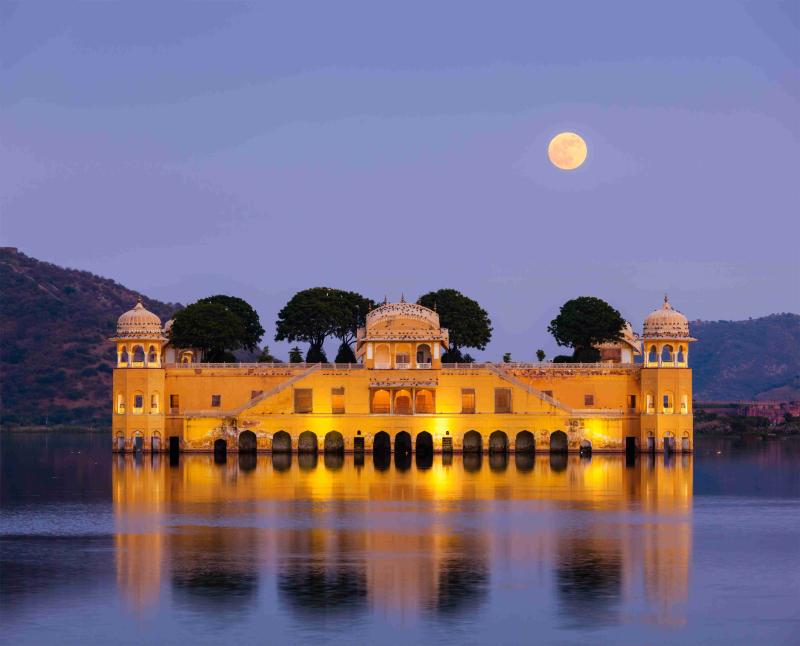
You don’t just stay at Narain Niwas Palace—you ease into it. The air is different here: thick with the scent of mogra flowers, distant temple bells, and stories older than most cities.
Right in the heart of Jaipur, this heritage hotel is doing something not many others attempt. It’s not just preserving the past—it’s actively shaping a better future. A future where travel isn’t just “sustainable,” but actually regenerative. And somehow, without fuss or fanfare, Narain Niwas has become one of Rajasthan’s quiet leaders in this shift.
Heritage, But Not Frozen in Time
Let’s get this out of the way: yes, the palace is beautiful. But it’s not just another Jaipur heritage hotel trading on nostalgia. It lives. You see it in the staff who’ve worked here for decades, the careful restoration done with local hands, and the cultural programs that don’t feel staged—they feel like someone's grandmother invited you over.
Built in the 1920s, the palace blends Rajput and colonial design in a way that doesn’t scream for attention. You’ll find hand-painted frescoes, original tiles underfoot, and antique furniture that’s been polished by time more than by polish. Every suite room tells its own story, and none of it feels manufactured. Staying here feels less like checking into a hotel and more like being let in on a family secret.
Regenerative, Not Just Responsible
Here’s the difference: responsible tourism says “do no harm.” Regenerative tourism? That says, “leave it better.” And Narain Niwas takes that seriously.
The palace supports local ecosystems—both environmental and economic. Much of the produce used in the kitchen is sourced locally. Old trees in the garden aren’t removed for viewlines; they’re respected. And the people behind the scenes—chefs, gardeners, artisans—are from nearby communities. This isn’t outsourcing—it’s ownership.
When you spend a night at this palace hotel in Jaipur, your money doesn’t disappear into a multinational chain. It circulates here, in Rajasthan.
Where the Food Has a Backstory
There’s a heritage restaurant on the property, but don’t expect fusion foam or complicated plating. What you’ll find is food your great-grandmother might’ve made if she were royal—generous, authentic, and deeply satisfying.
The laal maas is cooked slow, the vegetables are seasonal, and the spices are ground in-house. That alone sets it apart from most heritage restaurants in Jaipur. But what really makes it special is the intention: cooking rooted in region, not trend. Guests are often surprised when they learn the menu changes with the weather—not to be “gourmet,” but because that’s how the farmers work.
And the setting? Think shaded courtyards, peacocks in the distance, and that slightly faded glamour you can’t fake.
The Café Everyone’s Talking About (But in a Whispered Way)
There’s a certain kind of traveler who hunts down places that aren’t just beautiful but feel right. If that’s you, then the café at Narain Niwas might be your new favorite corner of the city. Among the many aesthetic cafes in Jaipur, this one stands out for its old-world elegance with zero pretension.
It’s not trying to be a “concept.” It is the concept—hand-drawn wallpaper, old teak chairs, and soft, golden light that spills in through stained-glass windows. You’ll find creatives tucked in corners with notebooks, couples sipping coffee slowly, and the occasional parrot flying overhead.
And if you're wondering—yes, the iced coffee is excellent.
Not Just a Place to Sleep, A Place to Be
Let’s not pretend Jaipur lacks places of interest. Amber Fort, City Palace, Hawa Mahal—check, check, check. But once the tours are done, and the sun starts to dip, you’ll want something else. Something quieter. Narain Niwas offers that.
Evenings here can be as simple as a walk in the garden, the smell of jasmine in the air, or catching a folk performance under the stars. You’re not being entertained; you’re being invited in. And that’s a huge difference.
Guests don’t just come for a bed—they come for a mood, for a memory that lingers longer than a photo.
So What Does Regenerative Travel Feel Like?
It feels like sleeping in a suite room with hundred-year-old walls and waking to birdsong, not traffic. It feels like knowing your trip supports local livelihoods without needing a neon “eco” label. It feels like being part of something—not just passing through it.
Narain Niwas isn’t loud about its impact. It’s not plastered across signs or menus. But it’s there. In the heirloom recipes. In the way the staff speaks of the palace like it’s a relative. In the fact that you leave feeling a little more rooted yourself.
Final Thought
Travel today is full of contradictions. We want beauty, but we also want purpose. We want heritage, but we want relevance. Narain Niwas manages to thread that needle. It offers the charm of an old palace without turning into a museum. It feels alive. It gives back.
If you’re heading to Rajasthan and looking for more than just a place to crash—a place that honors the land and its people, that makes you pause and breathe and actually feel—then maybe skip the brochure hotels. Go where the walls have history, and the people have heart.
That place? Narain Niwas Palace.
Post Your Ad Here
Comments