E-Commerce Brand Development: Strategies for Success in a Competitive Market
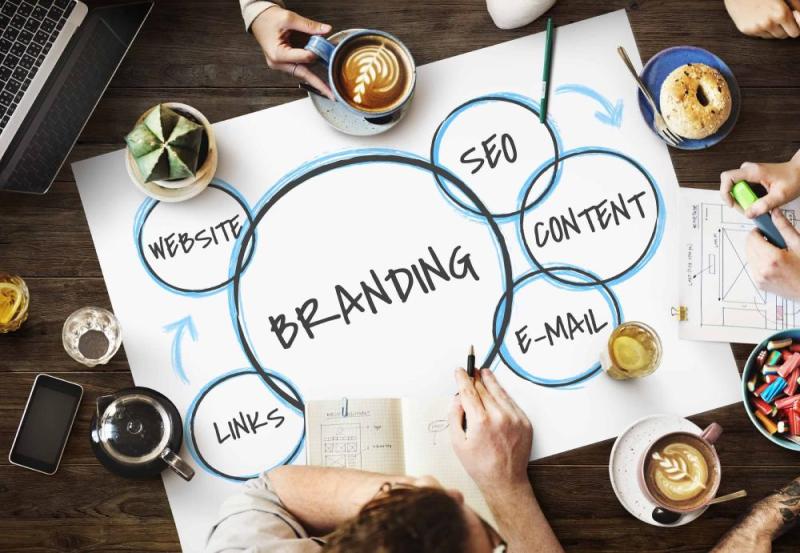
In the modern business world, e-commerce has transformed the way brands interact with consumers. The convenience, accessibility, and vast reach of online shopping have made e-commerce a critical channel for businesses looking to scale and expand their customer base. However, with the growing number of online stores, creating a unique, recognizable, and trustworthy brand has become more essential than ever before. This is where e-commerce brand development comes into play.
Brand development is the process of defining and building a brand’s identity, voice, and reputation across various channels. For e-commerce businesses, this encompasses everything from website design to customer service practices, social media presence, and marketing strategies. Effective e-commerce brand development not only helps businesses stand out in a crowded market but also fosters customer loyalty, drives sales, and sustains long-term growth.
In this article, I’ll guide you through the essential steps involved in developing a robust e-commerce brand, share insights from my experience as a digital marketer, and explore proven strategies that can help elevate your brand in today’s competitive digital landscape.
The Importance of Brand Development in E-Commerce
Brand development for e-commerce businesses is crucial for several reasons:
-
Differentiation in a Crowded Market:
With millions of e-commerce websites online, it’s easy for a brand to get lost in the sea of competitors. Developing a unique and compelling brand identity helps you stand out and capture the attention of your target audience. -
Building Trust and Credibility:
In the online space, consumers cannot physically interact with products before making a purchase. A strong brand that conveys reliability, quality, and trustworthiness helps to bridge this gap. A professional-looking website, consistent messaging, and transparent customer service can significantly influence consumer confidence. -
Customer Loyalty and Retention:
E-commerce isn’t just about making one-time sales—it’s about creating lasting relationships with customers. By cultivating a memorable brand, you can encourage repeat purchases, customer advocacy, and long-term loyalty. A strong brand evokes emotion, and when consumers feel emotionally connected to your brand, they are more likely to return. -
Increased Perceived Value:
Effective branding allows you to position your products in a way that enhances their perceived value. A high-quality brand can justify higher price points and make your products appear more desirable to customers. -
Better Marketing ROI:
A well-developed brand makes it easier to create targeted marketing campaigns. With a clear brand identity, your messaging becomes more focused, allowing you to attract the right audience through digital channels. This enhances the ROI of your marketing efforts and enables your business to scale more quickly.
Steps to Develop a Successful E-Commerce Brand
-
Define Your Brand’s Core Values and Mission
Before you can start building a brand, you need to understand what your brand stands for. What is your business’s purpose? What values drive your operations, products, and customer service? A strong e-commerce brand starts with a clear mission statement that communicates why your brand exists.
As a digital marketer, I always recommend starting by identifying your brand’s key differentiators. Are you offering eco-friendly products? Is customer service a top priority? Do you offer a unique customer experience? Clearly defining your brand values will allow you to communicate your message effectively and attract the right customers.
For example, if your e-commerce store specializes sustainably, your brand message should emphasize eco-consciousness, ethical sourcing, and support for environmental causes. Your mission statement should reflect these values in a way that resonates with your target audience.
-
Identify Your Target Audience
Knowing your audience is a fundamental part of building a successful e-commerce brand. A deep understanding of your target market’s needs, preferences, pain points, and behaviors will guide your brand messaging, product development, and marketing strategies.
The first step in audience research is to identify demographic information, such as age, gender, income, location, and education. However, it’s also important to dive deeper into psychographics—understanding your audience’s lifestyle, values, interests, and motivations.
Once you know your audience, you can tailor your brand experience to meet their expectations. For instance, if you’re targeting millennials, you may want to prioritize mobile-friendly experiences, influencer marketing, and social media engagement. If your target audience is older and more traditional, you may want to focus on email marketing and content that emphasizes product quality and reliability.
-
Develop a Unique Brand Identity
Your brand identity is how your customers perceive you. It includes your brand name, logo, color palette, typography, voice, and tone. These elements should be consistent across all your digital platforms to create a unified and professional image.
As an experienced digital marketer, I’ve seen how crucial it is to have a visually appealing and cohesive brand identity. A professional logo and a strong color scheme can make your store look more legitimate and trustworthy. For example, brands like Apple and Nike have a simple yet powerful identity that is instantly recognizable.
Here are some tips to develop your brand identity:
-
Logo Design: Your logo should reflect the essence of your brand. It should be simple, memorable, and scalable (so it looks good on all devices and marketing materials).
-
Color Scheme: Choose colors that resonate with your target audience. For example, blue is often associated with trust and professionalism, while red is associated with energy and stimulation.
-
Typography: Select fonts that are easy to read and reflect your brand’s personality. Avoid using too many fonts—simplicity is key.
-
Brand Voice: Your brand’s voice should be consistent across all communications, whether it’s on your website, social media, or customer service interactions. Decide whether your tone is casual, formal, playful, or authoritative.
-
-
Create a Seamless User Experience (UX)
Your e-commerce website is the backbone of your online business. A seamless user experience (UX) is vital to converting visitors into paying customers. A poorly designed website can deter potential customers, even if your products are of high quality.
Focus on the following elements to enhance UX:
-
Mobile Optimization: Ensure that your site is fully responsive and functions well on mobile devices. Mobile shopping continues to grow, so a mobile-friendly website is essential.
-
Fast Loading Speed: Slow-loading pages can frustrate visitors and lead to high bounce rates. Optimize your website to load quickly across all devices.
-
Easy Navigation: Ensure that users can easily find products through a well-organized menu, search bar, and category filters.
-
Secure Payment Options: Offering secure and trusted payment methods (such as credit cards and PayPal) builds trust and makes the purchasing process smooth.
-
-
Leverage Digital Marketing Strategies
Once your brand is defined, it’s time to use digital marketing to build awareness and drive traffic to your e-commerce store. Some key digital marketing strategies to consider are:
-
Search Engine Optimization (SEO): Optimize your product pages, category pages, and content to rank higher on search engines. Organic traffic is one of the most cost-effective ways to generate visitors.
-
Social Media Marketing: Utilize platforms like Instagram, Facebook, Pinterest, and TikTok to showcase your products and engage with your target audience. Regular posting, engagement, and influencer partnerships can help increase brand visibility.
-
Email Marketing: Build an email list and send targeted messages to nurture leads and retain customers. Personalized offers, discounts, and new product announcements can increase sales.
-
Paid Advertising: Invest in PPC ads through Google Ads or social media platforms to reach a larger audience. Ads are particularly useful for driving immediate traffic to your store and promoting special deals.
-
-
Build Relationships Through Customer Service
Exceptional customer service is a cornerstone of any strong e-commerce brand. Whether it's offering live chat support, responding to inquiries promptly, or resolving issues quickly, positive customer experiences can turn first-time buyers into repeat customers and brand advocates.
Ensure that your customer service aligns with your brand values. For example, if you’re a luxury brand, your customer service should be high-touch and personalized. If you’re targeting younger consumers, quick responses on social media and fun, friendly interactions may be more effective.
Conclusion
E-commerce brand development is a multifaceted process that requires careful planning, creativity, and consistency to succeed. As a digital marketer, I’ve seen firsthand how important it is to create a strong brand identity that resonates with your target audience. By focusing on defining your brand’s mission, understanding your customers, creating a seamless user experience, and leveraging digital marketing, you can build a successful and sustainable e-commerce brand that stands out in today’s competitive market.
Remember, building a brand takes time and effort. But with the right strategies in place, your e-commerce business can flourish, foster loyal customers, and drive long-term success.




Post Your Ad Here
Comments