How Modern Storage Tanks Are Designed for Sustainability and Safety
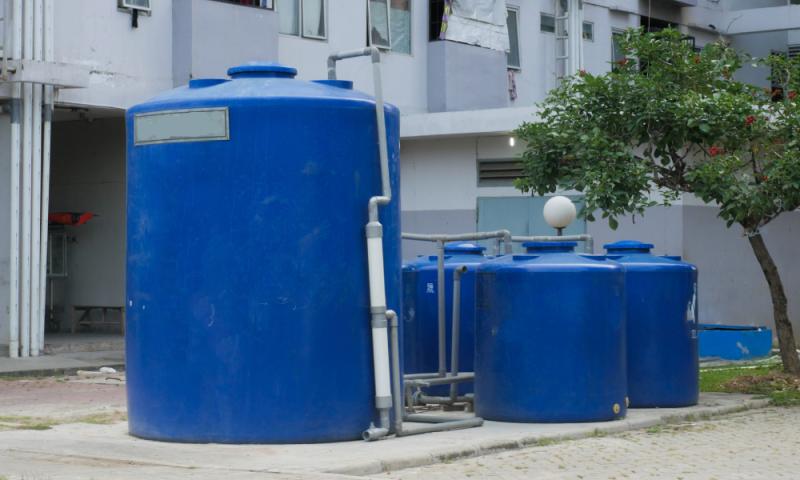
In an era defined by climate change, resource efficiency, and environmental accountability, the design of storage tanks has evolved far beyond basic functionality. Whether it’s for domestic heating oil, potable water, rainwater harvesting, or industrial fuels, today’s tanks must not only store liquids—they must do so safely, sustainably, and in full compliance with stringent regulations.
From fire protected oil tanks to insulated water storage tank systems, and from corrosion-resistant materials to bunded safety layers, modern storage tanks are designed to meet the dual demands of environmental responsibility and operational reliability. In this article, we explore how the latest innovations in tank engineering are helping homeowners, businesses, and industries store water, oil, and fuel with greater safety and sustainability.
Why Storage Tanks Matter in Modern Infrastructure
Storage tanks serve as critical infrastructure across many sectors:
Homes store heating oil or rainwater
Farms store fuel for machinery and water for irrigation
Factories store chemicals, water, and fuel for production
Public utilities and institutions manage potable and fire-fighting water supplies
In each case, the safety of the stored liquid and the environmental impact of its containment are key concerns. Leaks, contamination, and heat loss can result in major financial and ecological consequences.
As such, modern tank designs address not only capacity and durability but also efficiency, containment, and future-readiness.
Enhanced Safety Features for Fuel and Oil Tanks
Bunded Fuel Tanks
A standout innovation in modern tank safety is the bunded fuel tank. These tanks are double-walled, with the outer tank (the bund) acting as a safety barrier against leaks or overflows from the inner tank.
Key Benefits:
Prevents soil and water contamination
Reduces fire risk
Often legally required for commercial or agricultural fuel storage
Available in plastic or steel models with integrated monitoring systems
Because of their robust design, bunded tanks are widely used in industrial, agricultural, and even domestic environments where the consequences of a spill could be severe.
Fire Protected Oil Tanks
When storing flammable materials such as kerosene or heating oil, fire protected oil tanks are designed to prevent combustion for extended periods during fire exposure. These tanks come with fire-retardant insulation or shielding and are often installed near buildings where space is limited but fire safety regulations are strict.
Compliance and Protection:
Meets building and fire safety codes
Reduces insurance risks
Provides peace of mind in high-density residential or commercial areas
2. Energy Efficiency Through Insulation and Material Design
Insulated Water Storage Tank Systems
One of the most significant advancements in sustainable tank design is the development of the insulated water storage tank. These tanks maintain temperature control over long periods, making them ideal for:
Solar-heated water storage
Industrial hot or chilled water
Domestic heating systems
Advantages:
Reduces energy consumption by preserving water temperature
Prevents heat loss during colder seasons
Lowers utility bills and greenhouse gas emissions
Insulated tanks are typically made from materials such as polyurethane or foam-reinforced composites and are encased in protective steel or plastic shells for added durability.
3. Environmentally Responsible Materials
Material selection is one of the biggest sustainability considerations in tank manufacturing.
Galvanised Water Storage Tank
A galvanised water storage tank is typically made from steel that has been coated with zinc to prevent rust and corrosion. This design is:
Ideal for long-term outdoor use
Resistant to weather and mechanical wear
100% recyclable at the end of its life cycle
Galvanised steel tanks are especially popular in agriculture and remote locations where durability is critical, and replacement is logistically challenging. With proper maintenance, these tanks can last decades—reducing waste and conserving resources.
Fibreglass and GRP Tanks
Glass-reinforced plastic (GRP) and fibreglass tanks are also gaining ground due to their longevity and resistance to corrosion, algae, and chemical degradation. These materials are suitable for potable water, rainwater, and greywater storage.
4. Modular and Customisable Design
Modern storage tanks aren’t one-size-fits-all. Manufacturers now offer modular systems that can be tailored to:
Specific capacities (from 100 to over 100,000 litres)
Site constraints (such as rooftop or basement installations)
Usage requirements (firefighting reserves, irrigation, production)
GRP sectional tanks, for example, can be assembled on-site in confined spaces—ideal for hospitals, hotels, and commercial buildings. Modular design means tanks can grow with demand, reducing the need for future replacements.
5. Leak Detection and Monitoring Systems
Modern tanks often come equipped with:
Remote level monitoring
Leak detection sensors
Overflow alarms
Integrated pumps and filters
These features ensure not only operational convenience but also early detection of potential failures, preventing costly accidents and environmental damage.
For instance, high-tech oil tank suppliers now offer smart tank systems that integrate with mobile apps, allowing property owners and facility managers to:
Track oil or fuel levels
Receive refill reminders
Detect anomalies in usage or leaks
6. Regulation and Certification for Safety
Strict regulations govern the storage of liquids, particularly hazardous or flammable ones. The most sustainable tanks today are designed to meet or exceed compliance standards from:
Environmental protection agencies
Building and fire safety codes
Industry-specific guidelines (agriculture, construction, utilities)
Many regions now prohibit single-skin tanks for fuel and oil, especially in environmentally sensitive areas. Instead, compliant options like bunded or fire-resistant tanks are being mandated for new installations and replacements.
7. Sustainability Across the Life Cycle
Sustainability isn’t just about materials—it’s also about how tanks are produced, used, and disposed of. Responsible oil tank suppliers now embrace circular design principles, including:
Using recycled or recyclable materials
Designing for modular repair rather than full replacement
Offering take-back or refurbishment programs
Meanwhile, installation practices are also improving, with tanks placed on permeable bases, fitted with rainwater harvesting systems, or integrated into passive heating solutions.
Case Applications: Matching the Right Tank to the Need
Here’s how the latest sustainable tank solutions are being used in real-world applications:
Residential Heating
Bunded or fire-protected oil tanks installed with leak alarms and remote monitoring.
Insulated water tanks storing hot water from solar panels.
Commercial & Industrial Use
Modular GRP tanks for potable or chilled water.
Bunded fuel tanks with lockable dispensers for vehicle fleets.
Agricultural Applications
Galvanised water storage tanks for livestock and irrigation.
Bunded diesel tanks for tractor refueling stations.
Municipal and Community Systems
Large sectional water tanks for firefighting reserves.
Tanks integrated into rainwater harvesting systems in schools or public parks.
Future Trends in Sustainable Tank Design
The storage tank industry continues to evolve toward smarter, more efficient, and eco-friendly solutions. Innovations on the horizon include:
Solar-powered pump systems
Tanks with built-in water purification modules
Bioplastic tank materials made from plant-based sources
Carbon-neutral manufacturing and transport models
These advancements align with global efforts to reduce environmental footprints, conserve resources, and ensure community resilience.
Conclusion: Storage Tanks for a Safer, Greener Future
Modern storage tanks are no longer basic containers—they’re engineered systems that embody safety, efficiency, and environmental stewardship. Whether it’s a fire protected oil tank ensuring household safety, an insulated water storage tank reducing energy waste, or a galvanised water storage tank offering decades of corrosion-free service, these solutions are key to sustainable living and smart infrastructure.
With technology and regulation driving the shift, it’s essential to partner with knowledgeable oil tank suppliers who understand your specific needs and can recommend tanks that meet both practical and environmental goals.
As we look toward a future where every drop and every litre counts, investing in modern tank solutions is not just smart—it’s essential. The tanks of today protect not just what’s inside them—but also the world around them.
Post Your Ad Here
Comments