Why Lab Grown Diamonds Are the Top Jewelry Trend in 2025
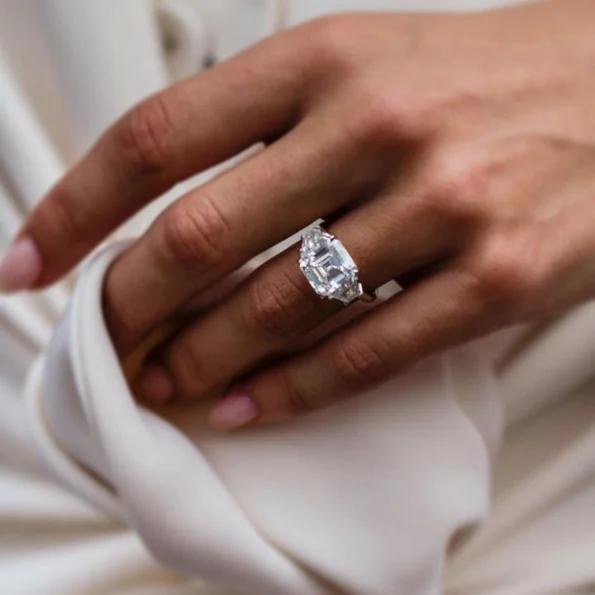
In 2025, fashion and sustainability
are no longer two separate conversations. Today’s consumers want more than just
sparkle they want substance. And nowhere is this shift more apparent than in
the jewelry industry, where lab grown diamonds have rapidly become the
top trend of the year.
Once seen as a novelty, lab-created
diamonds are now leading the market, thanks to rising consumer awareness,
ethical concerns, and technological innovation. At the heart of this evolution
is the modern diamond manufacturer, who has turned traditional gemology
on its head by producing stunning, sustainable alternatives to mined stones.
So why exactly are lab grown
diamonds shining so brightly in 2025? Let’s explore.
What Are Lab Grown Diamonds?
Lab grown diamonds, also known as man-made
diamonds or synthetic diamonds, are chemically, physically, and
optically identical to mined diamonds. Created using advanced processes like
High Pressure High Temperature (HPHT) or Chemical Vapor Deposition (CVD), these
diamonds replicate the natural formation process only much faster and in a
controlled laboratory environment.
Despite misconceptions, lab diamonds
are real diamonds, not simulants like cubic zirconia or moissanite. What
sets them apart is how they're made and more importantly, how they reshape the
ethical and environmental landscape of the jewelry industry.
Top Reasons Lab Grown Diamonds Are Dominating 2025 Trends
1. Sustainability and Eco-Friendliness
Mining natural diamonds can leave a
large environmental footprint. From deforestation and soil erosion to excessive
water use and carbon emissions, traditional diamond mining takes a toll on the
planet.
Lab grown diamonds, by contrast, are
produced in controlled settings with significantly less environmental impact.
As more consumers prioritize eco-friendly gems, lab diamonds emerge as a
responsible choice that aligns with the values of a conscious generation.
For sustainability-minded shoppers,
choosing lab-created stones is a meaningful way to wear beauty without
compromise.
2. Affordability Without Compromise
One of the most attractive features
of lab diamonds is the price tag. Typically 20–40% less expensive than mined
counterparts, lab grown diamonds offer the same brilliance and durability
without the inflated cost.
This affordability makes them
accessible to a broader market, particularly Gen Z and Millennials, who seek
quality and value in equal measure. From engagement rings to statement pieces,
lab-created diamonds allow customers to dream big without breaking the bank.
3. Ethical and Conflict-Free Appeal
For years, the diamond industry has
faced scrutiny over conflict diamonds stones mined in war zones and sold
to finance armed conflict. Despite regulations, many consumers still harbor
concerns about the ethics of diamond sourcing.
Lab grown diamonds eliminate this
worry. Because they're created in labs, they are inherently conflict-free
and traceable, offering peace of mind for socially conscious buyers.
As ethical diamonds become
more desirable, the demand for transparent sourcing has become a major driving
force behind this trend.
4. Innovation from Diamond Manufacturers
Behind the scenes, today’s diamond
manufacturers are playing a critical role in revolutionizing the jewelry
world. No longer just producers, they are innovators leveraging science,
sustainability, and artistry to shape the future of diamonds.
Cutting-edge companies now offer
custom cuts, consistent quality, and rapid production. Many lab diamond
suppliers even provide blockchain-backed certification to ensure
authenticity and traceability.
By pushing the boundaries of what’s
possible, these manufacturers are setting new standards and helping lab grown
diamonds gain mainstream acceptance.
The Role of the Modern Diamond Manufacturer
In 2025, the role of the diamond
manufacturer has dramatically evolved. No longer limited to sourcing and
polishing, manufacturers are now pioneering advanced technologies to grow
diamonds in high-tech facilities.
Many leading labs have turned into
eco-conscious powerhouses, using renewable energy sources and minimizing waste.
The precision and scalability of lab production also mean fewer flaws,
consistent brilliance, and reduced costs for consumers.
From startups to established giants,
lab diamond manufacturers are making waves by merging science with
sustainability. They’re not just following trends they’re creating them.
Shifting Consumer Preferences
Today’s consumers are informed,
values-driven, and tech-savvy. They want to know where their products come
from, how they’re made, and whether they align with personal beliefs.
This is especially true for jewelry,
a deeply personal investment. Gen Z and Millennials who together make up the largest
group of diamond buyers are choosing sustainable jewelry over
traditional luxury. Many are even willing to pay more for ethical, transparent,
and environmentally sound options.
Social media also plays a role, as
influencers and celebrities promote lab grown diamonds for their
conscious appeal. From red carpets to wedding blogs, the message is clear:
ethical is the new elegant.
Jewelry Industry Adoption
The shift isn’t just
consumer-driven. Major brands and retailers are increasingly embracing man-made
diamonds as demand grows.
Legacy companies once hesitant about
synthetic gems are now launching lab-created collections, while new lab
diamond suppliers are flooding online marketplaces with dazzling,
customizable options.
Even fine jewelry designers are
incorporating lab grown stones into engagement rings, earrings, bracelets, and
more proving that style and sustainability can coexist beautifully.
Boutique brands are especially vocal
about transparency and traceability, setting a new benchmark for the diamond
industry as a whole.
Challenges and Myths Around Lab Grown Diamonds
Despite growing popularity, lab
grown diamonds still face a few hurdles. Some consumers worry they’re
“fake” or inferior to natural diamonds. Others question their resale value or
long-term worth.
However, education and awareness are
closing these gaps. Major certification bodies like IGI and GIA now grade lab
diamonds the same way they do mined ones, providing assurance of quality and
legitimacy.
Another concern is that lab production
still consumes energy. But many diamond manufacturers are addressing
this by switching to renewable power sources and improving overall efficiency.
As myths are debunked and tech
improves, the perception of lab diamonds continues to shift for the better.
The Future of Diamonds: What to Expect Beyond 2025
Looking ahead, lab grown diamonds
are poised to take even greater market share from mined diamonds. Market
analysts project that by 2030, over 50% of all diamond jewelry could feature
synthetic stones.
Expect more innovation from
diamond manufacturers, such as colored lab diamonds, smart jewelry
integration, and AI-powered customization. Enhanced sustainability metrics will
become standard, and brands that resist adapting may fall behind.
As awareness grows, lab created
diamonds will become not just a trend but the default choice for a new
generation of jewelry lovers.
Conclusion
In 2025, the jewelry industry is
sparkling with change and lab grown diamonds are leading the charge.
With unmatched sustainability, affordability, and ethical integrity, they’re
more than a fashion statement; they’re a reflection of evolving values.
At the heart of this transformation
is the diamond manufacturer, who is redefining how luxury is created and
delivered. Through innovation, transparency, and a deep commitment to the
planet, these trailblazers are crafting a future where beauty and
responsibility go hand in hand.
Whether you're buying an engagement
ring, a birthday gift, or a personal piece of fine jewelry, there’s never been
a better time to choose diamonds that truly shine inside and out.


Post Your Ad Here
Comments (1)
Cynthiawilliams8
Rule the MCAT. Reign in Med School
Thanks for sharing valuable and knowledgable content