What Are Cross-Platform Apps? A Simple Guide for 2025
Introduction
In today’s fast-moving digital world, businesses need mobile
apps that work everywhere—on Android, iPhones, tablets, and even desktops. But
building separate apps for each platform can be expensive and time-consuming.
That’s where cross-platform apps come in.
In this article, you’ll learn what cross-platform apps are,
how they work, and why they’re a smart choice for startups, enterprises, and
everyone in between.
What Are Cross-Platform Apps?
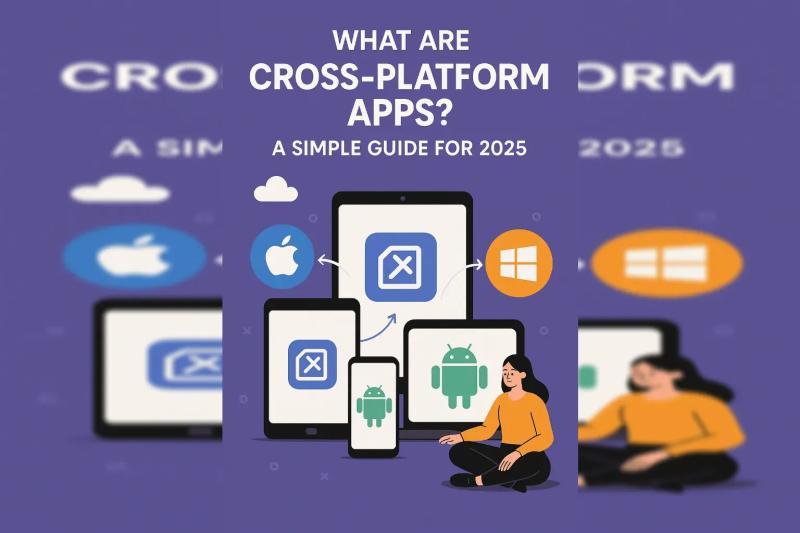
A cross-platform app is a mobile or web application
that works on multiple platforms using a single codebase. That means instead of
writing different code for Android and iOS, developers write it once and reuse
it for both.
Popular cross-platform frameworks include:
- React
Native
- Flutter
- Xamarin
- Ionic
These tools let developers create apps that look and feel
like native apps but are faster to build and easier to maintain.
Why Businesses Choose Cross-Platform App Development
Here are the top reasons why businesses prefer
cross-platform apps:
1. Faster Time to Market
You only need one development cycle, not two. This means
your app can launch sooner and reach users faster.
2. Cost-Effective
Since the same team works on all versions of the app, you
save money on design, development, and maintenance.
3. Consistent User Experience
With one shared codebase, it’s easier to ensure the app
looks and works the same way across devices.
4. Easy Updates
You can push updates to all platforms at once—no need to
repeat fixes or changes separately.
5. Wider Reach
Reach users on both Android and iOS from day one, helping
your app grow quickly.
Real-Life Examples of Cross-Platform Apps
Many well-known apps are built with cross-platform
frameworks:
- Instagram
– Built using React Native for speed and performance.
- Airbnb
(initially) – Used React Native to speed up development.
- Alibaba
– Used Flutter to support consistent performance across platforms.
- Skype
– Uses Xamarin to support multiple devices and platforms.
Who Should Build Cross-Platform Apps?
Cross-platform apps are perfect for:
- Startups
that want to launch an MVP (Minimum Viable Product) quickly
- Small
and Medium Businesses (SMBs) looking to cut costs
- Enterprises
that want to deliver unified experiences across platforms
- Agencies and freelancers managing client projects on tight budgets
If you're planning to build one, it's smart to hire React Native developers who specialize in cross-platform frameworks. They can ensure your app runs smoothly across Android and iOS, while optimizing performance and reducing development time.
Popular Cross-Platform Frameworks (2025 Update)
Here are the top tools developers use in 2025 for
cross-platform development:
1. React Native
Created by Meta (Facebook), it allows developers to use
JavaScript and React to build native-feel mobile apps.
2. Flutter
Built by Google, Flutter uses the Dart language and allows for
high-performance apps with beautiful UI.
3. Xamarin
Owned by Microsoft, Xamarin lets you build apps using C#. It
integrates well with Visual Studio.
4. Ionic
A great choice for web developers. Ionic uses HTML, CSS, and
JavaScript and runs on top of Cordova or Capacitor.
Limitations of Cross-Platform Apps (And How to Handle Them)
Cross-platform apps are great, but not perfect. Here are a
few things to keep in mind:
- Performance
may be lower for high-end games or apps needing deep device
integration.
- Some
features may need native code, like camera access or GPS.
- UI
might not match 100% with native apps without customization.
However, experienced developers can work around most of these issues using plugins, custom modules, or hybrid approaches.
Cross-Platform vs. Native Apps: Which Should You Choose?
| Feature | Cross-Platform App | Native App |
|---|---|---|
| Codebase | One for all platforms | One for each platform |
| Development Time | Faster | Slower |
| Cost | Lower | Higher |
| Performance | Near-native (for most apps) | Best possible |
| Custom Features | Sometimes limited | Full access to device features |
Conclusion: If you need an app that works well, looks great, and is ready fast, cross-platform is often the better choice.
Final Thoughts: Is a Cross-Platform App Right for You?
If you want a faster, more affordable, and scalable way to build mobile apps, then cross-platform development is a great fit. It allows you to serve both Android and iOS users without doubling your time, budget, or headaches.
And with powerful tools like React Native and Flutter, you don’t have to sacrifice user experience or performance.
Whether you’re launching a new product, building a business app, or revamping an old system—cross-platform apps can help you do more with less.
FAQs About Cross-Platform Apps
Q1: Are cross-platform apps as fast as native apps?
For most use cases, yes! With frameworks like React Native or Flutter, performance is close to native. Only high-performance gaming or AR apps may need native development.
Q2: Can I still access device features like GPS or camera?
Yes. Most frameworks offer plugins or native modules that let you use features like cameras, GPS, push notifications, and more.
Q3: Which is better: React Native or Flutter?
Both are great. React Native uses JavaScript and is backed by Meta. Flutter uses Dart and is backed by Google. Your choice depends on team skills and project needs.
Q4: Are cross-platform apps good for MVPs?
Absolutely! You can launch faster, test user feedback, and make changes easily without building two separate apps.
Q5: Will my app look the same on Android and iOS?
Mostly yes—but with small adjustments, your developer can make it feel native on each platform.

Comments