Global Seaweed Farming Sector Poised for Robust Growth by 2035, Driven by Rising Demand Across Diverse Applications
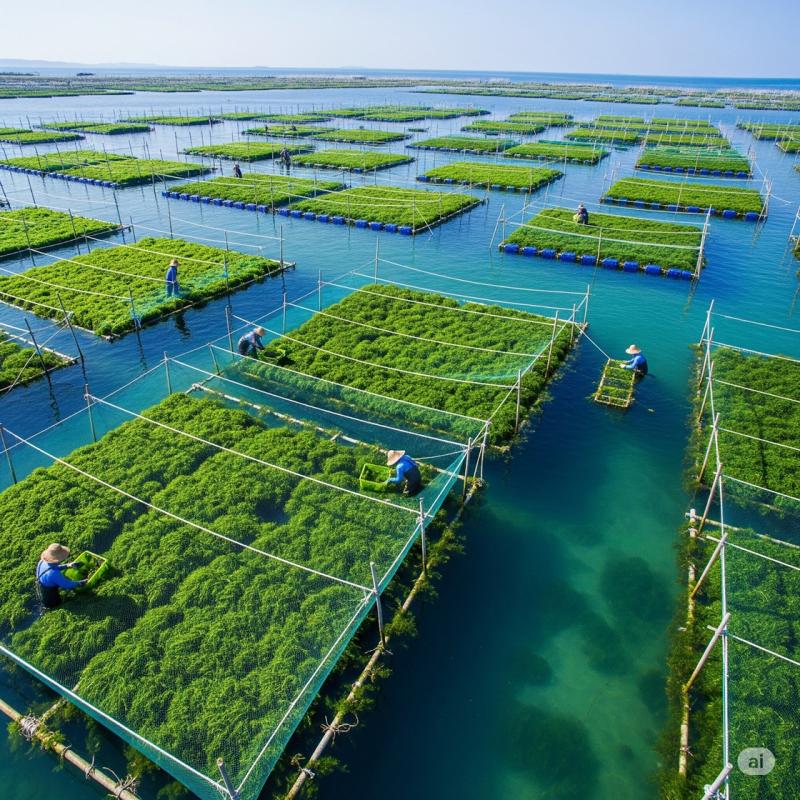
The global seaweed farming sector is witnessing a notable surge in growth, with projections indicating substantial expansion through 2035. This momentum is largely attributed to increasing utilization across multiple end-use industries, including food & beverages, pharmaceuticals, cosmetics, and agriculture. The sector’s landscape is evolving rapidly due to technological advancements in cultivation techniques and growing investments from both public and private players.
Get Sample Preview of the PDF:-https://www.prophecymarketinsights.com/market_insight/Insight/request-sample/5822
According to recent analysis, the seaweed cultivation space is being shaped by growing awareness of seaweed’s nutritional value, sustainability benefits, and economic viability. With a rising shift toward organic and plant-based ingredients, seaweed continues to gain traction globally as a highly versatile resource.
Seaweed Types and Cultivation Methods
The seaweed farming field is categorized by type into Brown Seaweed, Red Seaweed, and Green Seaweed. Among these, brown seaweed holds a major share due to its extensive application in alginate production and food products. Red seaweed, rich in carrageenan, is also gaining popularity in dairy and meat alternatives, especially in the vegan and vegetarian food segments.
In terms of farming techniques, two primary approaches dominate the ecosystem: on-shore cultivation and off-shore cultivation. Offshore farming has seen increased adoption due to better scalability and minimal land use, particularly in coastal economies in Asia Pacific and Europe. However, on-shore techniques are gaining interest for controlled production environments and research purposes.
Expanding End-Use Applications
Seaweed is increasingly integrated into a wide array of industries. The food & beverage segment leads consumption, owing to rising demand for functional foods and natural food additives. Meanwhile, the pharmaceutical & nutraceutical segment is expected to experience rapid growth, driven by seaweed's anti-inflammatory, antioxidant, and antimicrobial properties.
The cosmetics & personal care segment is another key contributor, with seaweed extracts being used in skin-repair, anti-aging, and moisturizing formulations. Additionally, agriculture & animal feed sectors are leveraging seaweed’s bioactive compounds to enhance crop yield and livestock health, further strengthening its industrial value.
Diverse Stakeholders and Regional Dynamics
The seaweed cultivation industry caters to a variety of end users such as commercial farmers, research institutions, government agencies, and NGOs. Governments and environmental organizations across several regions are actively promoting seaweed farming as a climate-smart agricultural practice, offering funding and training programs to support sustainable development.
Regionally, Asia Pacific dominates the seaweed cultivation scene, particularly countries like China, Indonesia, and South Korea, where seaweed has long been an essential part of the diet and economy. Europe and North America are witnessing accelerating interest in seaweed due to environmental concerns, consumer health consciousness, and an increasing preference for biodegradable alternatives.
Competitive Landscape and Key Players
The seaweed farming sector is highly fragmented, comprising both established corporations and emerging enterprises. Prominent players include:
Cargill, Incorporated
DuPont
Qingdao Waysail Ocean Technology Co., Ltd
The Seaweed Company
Maine Coast Sea Vegetables
CP Kelco U.S. Inc.
AQUAGRI PROCESSING PRIVATE LIMITED
Ocean Harvest Technology Group plc
Gelymar
Seasol
Seaweed Solutions AS
Qingdao Seawin Biotech Group Co., Ltd.
These organizations are actively investing in R&D, sustainability practices, and geographical expansion to gain a competitive edge in the evolving business environment.
Looking Ahead
The future of the seaweed farming space looks promising, with increasing government support, a surge in clean-label product demand, and rising awareness of marine resource sustainability. Innovation in cultivation techniques and strategic collaborations will likely fuel further growth and diversification, positioning seaweed as a key player in the bioeconomy of the future.
Post Your Ad Here
Comments