How Much Does Termite Treatment Cost in 2025?
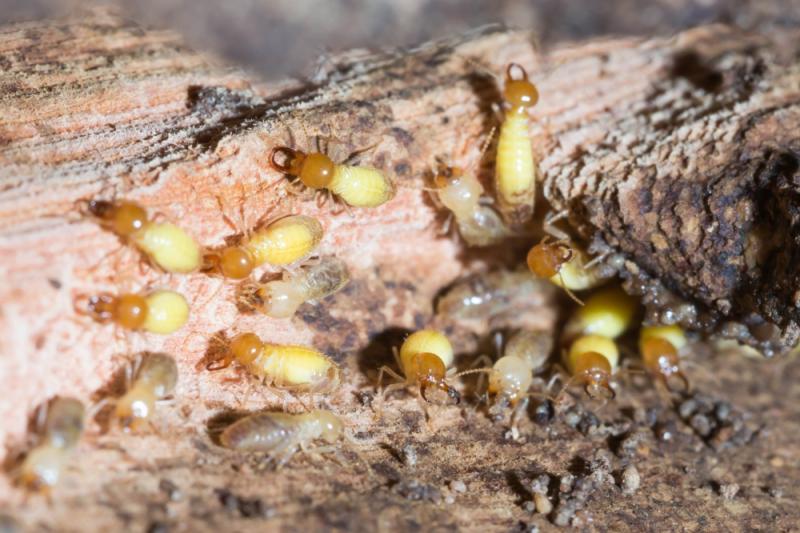
Termites remain one of the most costly pests to homeowners in 2025. These tiny insects can cause extensive damage to wood structures, often remaining hidden until the destruction is severe. If you’re facing a termite problem or planning for preventive treatment, understanding how much termite treatment costs in 2025 is essential for budgeting and peace of mind.
This article explores the current pricing for termite treatments, factors that influence the cost, and how to make a smart investment in protecting your home.
Why Termite Treatment Is Necessary
Unlike other household pests, termites don’t just make a mess—they silently eat away at the structure of your home. Termite infestations can compromise walls, floors, ceilings, and even the foundation. Catching the problem early or investing in prevention is often far more affordable than repairing serious damage later.
Average Termite Treatment Costs in 2025
The cost of termite treatment varies widely depending on the severity of the infestation, the type of termite, and the treatment method used. In general, homeowners can expect to pay anywhere from $250 to over $3,500 for termite treatment in 2025.
Localized chemical treatments for minor infestations may be on the lower end of the scale, while full-house fumigation or extensive baiting systems for large infestations can be significantly more expensive.
Factors That Affect the Cost of Termite Treatment
1. Extent of Infestation
A small, isolated termite problem can often be addressed with spot treatments that cost a few hundred dollars. However, if termites are active in multiple locations or have already caused damage to structural elements, the treatment will be more extensive—and more expensive.
2. Type of Termite
Subterranean termites are the most common and require different treatment than drywood or dampwood termites. For example, subterranean termites are often treated using liquid termiticides around the home's foundation or with in-ground baiting systems. Drywood termites, on the other hand, may require fumigation or heat treatments, which tend to be more costly due to the size and scope of the procedure.
3. Treatment Method
Different termite treatments come with varying price tags. Liquid chemical barriers are popular and cost-effective for most subterranean termite problems, while fumigation is typically the most expensive method but highly effective for drywood termite infestations. Heat treatments are chemical-free and eco-friendly but still carry a high cost due to equipment and labor.
4. Size and Complexity of the Home
Larger homes require more labor and materials, which naturally increases the cost. Homes with complex architecture, multiple stories, or limited access to crawlspaces and attics can be more challenging to treat and inspect.
5. Follow-Up Treatments and Maintenance
Some termite treatments require ongoing maintenance. For instance, baiting systems need regular monitoring and re-baiting. Some pest control companies offer maintenance plans or warranties, which may increase upfront costs but offer protection over the long term.
Cost Breakdown by Treatment Method (No Table)
Here’s a closer look at the most common termite treatment options and their associated costs in 2025:
-
Liquid Chemical Treatments (Barriers): Typically used to prevent or treat subterranean termites. These treatments are applied around the home’s foundation and can last for years. Expect to pay between $900 and $2,000 depending on property size and soil conditions.
-
Termite Bait Systems: These systems involve installing bait stations around the perimeter of the home. They work by attracting termites to poison bait, which they carry back to the colony. Full installation and monitoring may cost between $1,000 and $3,500.
-
Fumigation (Tenting): Often necessary for severe drywood termite infestations, fumigation involves enclosing the entire structure in a tent and releasing a gas that permeates the wood. This treatment typically costs $2,000 to $4,500 or more, depending on the size of the house.
-
Heat Treatments: This eco-friendly alternative to fumigation uses high temperatures to kill termites in the affected area. Heat treatments can cost between $2,000 and $3,000, with effectiveness dependent on proper application.
-
Spot Treatments (Foam, Dust, Orange Oil): For smaller infestations or visible termite activity, spot treatments can cost as little as $250 to $900. These methods are fast and less disruptive, but not suitable for large or hidden infestations.
-
Annual Prevention Plans: Many pest control companies now offer annual protection plans that include inspections, monitoring, and re-treatment as needed. These plans typically cost between $250 and $600 per year.
Cost of Termite Inspections in 2025
A professional termite inspection is often the first step in the process. In 2025, a standalone inspection typically costs between $75 and $200. Some pest control companies offer free inspections if you proceed with a treatment plan.
If you’re purchasing a home, a more detailed pre-purchase pest inspection (also called a timber pest inspection) may be required. These usually cost between $250 and $400, depending on the property’s size and location.
Is Termite Treatment Covered by Insurance?
Unfortunately, most standard homeowner’s insurance policies do not cover termite damage or treatment. Termite infestations are classified as preventable maintenance issues, meaning it’s up to the homeowner to detect and manage risk.
Some insurance providers or pest control companies may offer optional protection plans or add-on policies. These can cover inspection costs, annual treatments, or damage repair under certain conditions. It’s worth exploring this if you live in an area prone to termite activity.
How to Save Money on Termite Treatment
Termite treatment can be a major expense, but there are smart ways to reduce costs:
-
Compare Quotes: Always get at least two to three estimates from licensed pest control companies. Ask what’s included and whether there are warranties.
-
Bundle Services: Some companies offer discounts when combining termite treatment with general pest control services.
-
Schedule During Off-Season: Demand for pest control may dip during cooler months, and some companies offer off-season promotions.
-
Act Early: The longer you wait, the more damage termites can do—and the more expensive the treatment becomes. Early detection and quick action can keep costs lower.
-
Invest in Prevention: Annual inspections and early preventive treatments are far less costly than dealing with a full-blown infestation. Ongoing service plans can provide peace of mind and long-term savings.
Conclusion
The cost of termite treatment in 2025 can vary significantly, ranging from a few hundred dollars for minor spot treatments to several thousand for full-home fumigation. Understanding the type of termite, the extent of the infestation, and the most effective treatment method for your situation is key to budgeting correctly.
While the upfront cost can be daunting, termite treatment is a worthwhile investment. It protects the structure of your home, helps maintain its value, and can save you from major repair bills in the future. Whether you’re dealing with an active infestation or looking to prevent one, it pays to be proactive and well-informed.
Post Your Ad Here