How Packaging Quality Directly Affects Export Product Safety
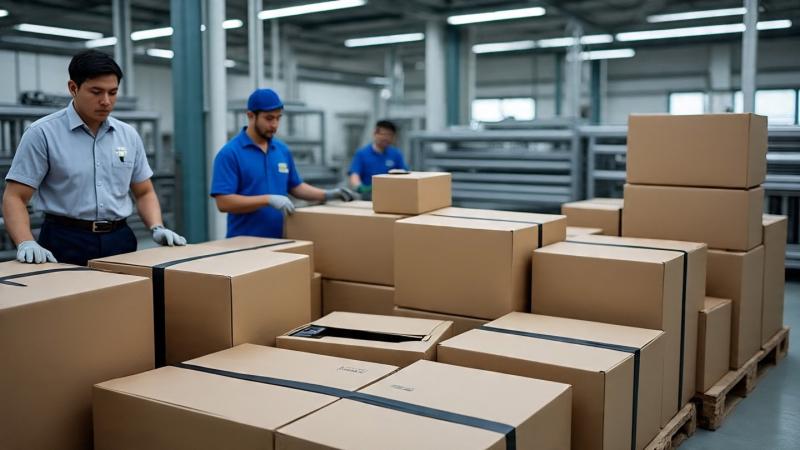
In the global trade landscape, packaging is more than just a container it's a critical safeguard for products in transit. Exporters who underestimate the importance of packaging quality often face costly damages, customer dissatisfaction, and potential loss of market trust. This article explores how packaging directly influences export product safety and offers best practices to ensure reliable international shipping.
Why Packaging Matters in Export
During international shipping, products endure long transit times, frequent handling, and varying environmental conditions. Quality packaging protects goods from:
- Physical damage (impacts, drops, vibrations)
- Moisture and humidity
- Temperature fluctuations
- Contamination or tampering
Poor packaging puts products at risk throughout the supply chain, especially when they pass through multiple checkpoints or customs inspections.
The Direct Link Between Packaging Quality and Product Safety
1. Structural Integrity Reduces Transit Damage
Strong, well designed packaging absorbs shocks and prevents crushing or breakage. For example, corrugated fiberboard boxes with reinforced corners can shield fragile items from compression and vibration during air or sea freight.
2. Moisture-Resistant Materials Prevent Spoilage
Perishable goods or electronics are highly sensitive to humidity. Using water-resistant materials, desiccants, and vacuum sealing techniques helps maintain product integrity in damp conditions or during ocean shipping.
3. Tamper-Evident Features Protect Against Theft or Contamination
4. Proper Labeling and Documentation Minimize Mishandling
Cost of Poor Packaging in Export
- Increased return and replacement costs
- Legal liabilities or fines for non-compliance
- Damaged reputation and customer trust
- Loss of business partnerships
Best Practices to Improve Export Packaging Quality
- Conduct drop and vibration testing before mass shipping.
- Use internationally certified packaging materials (e.g., ISPM 15 for wooden crates).
- Customize packaging for each product type and destination.
- Partner with experienced logistics and packaging experts.
- Stay updated on destination country regulations.
Final Thoughts
High-quality packaging plays a pivotal role in export product safety. By prioritizing durable materials, environmental resistance, proper labeling, and tamper-proofing, exporters can reduce losses, boost customer confidence, and ensure smoother international operations.
Post Your Ad Here