The Future of Dining: How Restaurant Technology is Transforming the Industry
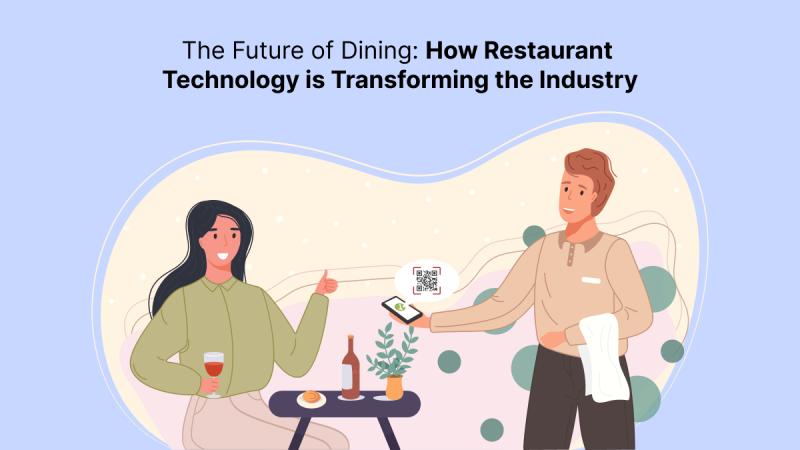
The restaurant industry has come a long way from handwritten orders and cash-only payments. Technology is now at the center of how restaurants run, serve customers, and grow. From online ordering to AI-powered kitchens, restaurant technology is changing the way we experience dining.
In today’s digital age, diners expect faster service, easy payment options, and the ability to order from anywhere. At the same time, restaurant owners need better ways to manage operations, reduce costs, and stay competitive. This is where technology makes a big difference.
In this blog, we’ll explore the future of dining and how different types of restaurant technology are transforming the entire industry.
The Rise of Restaurant Technology
What’s driving the change
Several trends have pushed restaurants to adopt new technologies. These include:
- More people are using smartphones for ordering food
- Growing demand for contactless and quick service
- Rising labor costs and staff shortages
- The need for better customer experiences
- Increased competition in both online and offline food spaces
With these challenges in mind, restaurant owners are turning to tech solutions to help meet changing customer expectations and improve efficiency.
Key Technologies Shaping the Future of Dining
Online ordering and delivery platforms
Customers love the convenience of ordering food from their phones. Online ordering systems are now a must-have for any restaurant looking to grow.
- Integrated apps and websites allow customers to place orders easily
- Restaurants can reach more people without needing extra tables or space
- Third-party platforms like Swiggy and Zomato offer quick exposure but charge high fees
- Custom ordering systems give restaurants full control and build brand loyalty
Contactless payments
Cash and card payments are being replaced with mobile wallets, QR codes, and tap-to-pay options. These methods are faster and safer, especially after the rise of hygiene concerns during the pandemic.
- Reduced waiting time at checkout
- Lower risk of handling cash
- Increased security with digital payment records
Digital menus and kiosks
Static paper menus are giving way to digital options. Customers scan a QR code or use a tablet to view the menu, place an order, and even pay.
- Easy to update pricing and items
- Lower printing costs and more eco-friendly
- Encourages upselling with pictures and combo suggestions
Self-service kiosks are also becoming more common, especially in fast food and quick-service restaurants. They cut down wait times and allow staff to focus on other tasks.
Cloud-based POS systems
Modern point-of-sale (POS) systems do more than just process transactions. They help manage inventory, sales, and staff.
- Real-time tracking of sales and orders
- Remote access from any device
- Integration with delivery, loyalty, and inventory tools
This allows restaurant owners to make smarter decisions based on data instead of guesswork.
Kitchen display systems (KDS)
Paper tickets can get lost or misread. A KDS displays incoming orders on a screen in the kitchen, helping staff prepare meals faster and more accurately.
- Streamlined kitchen workflow
- Fewer errors and delays
- Better communication between the front and back of the house
AI and machine learning
Artificial intelligence is finding its place in restaurants, too. AI tools can help predict demand, suggest menu changes, or even assist in taking orders.
- Forecast busy times for better staff scheduling
- Analyze customer habits to improve menus
- Chatbots can take online orders and answer basic questions
Robotics and automation
Some restaurants are now using robots to cook, clean, or serve. While this might seem futuristic, it’s already happening in many places, especially in large chains or experimental kitchens.
- Reduces dependency on manual labor
- Ensures consistency in food preparation
- Helps during labor shortages
Read More: Food Ordering App Development - Custom Solutions
How Technology Improves the Customer Experience
Personalization
Restaurant apps and CRMs collect data about what customers like and how often they visit. This data can be used to send personalized offers, recommend dishes, or reward loyalty.
- Builds customer trust and repeat business
- Makes each dining experience feel unique
- Encourages customers to spend more
Faster service
When technology handles the ordering and payment process, staff can focus more on food quality and customer interaction. This leads to shorter wait times and smoother service.
Convenience
From pre-ordering before arriving at the restaurant to getting food delivered right to their doorstep, customers now have more control over their dining experience than ever before.
Challenges Restaurants Face with Technology
While the benefits are clear, implementing new technology can also come with challenges.
- High upfront costs for hardware and software
- Staff training and resistance to change
- Integration issues between different systems
- Cybersecurity risks with digital payments and data storage
That’s why it’s important to plan carefully, choose the right vendors, and roll out tech solutions gradually.
The Road Ahead for Restaurant Technology
As new tools continue to develop, we can expect even more innovation in the future of dining.
- Augmented reality menus to visualize meals
- Voice ordering with smart assistants
- Fully automated restaurants with little or no staff
- Eco-friendly tech for waste and energy management
The restaurants that succeed in the future will be the ones that embrace change, use data wisely, and continue to improve the customer experience.

Conclusion
The dining industry is going through a major shift, powered by smart technology that improves everything from how orders are taken to how meals are delivered. While not every restaurant needs the latest robots or AI, adopting even a few key tools can help you run a more efficient, profitable, and customer-friendly business.
Technology is no longer a luxury—it’s a necessity. Whether you're a small cafe or a large restaurant chain, making the right tech choices will help you stay ahead of the competition and keep your customers coming back.
If you're thinking about expanding your services or adding online ordering, working with the right partner can make a big difference. A gojek clone app can be a great solution for restaurants looking to offer food delivery, ride-booking, and more in a single app platform that’s easy to manage.
FAQs
What is the most important technology for restaurants today?
A cloud-based POS system is one of the most important tools. It helps manage orders, payments, inventory, and even staff, all in one place.
Are contactless payments safe?
Yes. Digital payments through mobile wallets or QR codes are secure and often safer than handling physical cash.
Do small restaurants need advanced technology?
They don’t need everything, but basic tools like an online ordering system, digital payments, and a smart POS can help small restaurants grow.
What is the cost of implementing restaurant tech?
Costs vary based on the tools you choose. You can start small with affordable monthly subscriptions and scale up over time as your needs grow.
Can I build my restaurant app?
Yes. Building your app gives you control over branding, customer experience, and profits. A gojek clone app can be customized for restaurant delivery, table bookings, and more.

Post Your Ad Here
Comments