Top 10 Tips for a Successful Island Peak Climb in Nepal: A Simple Guide to Reaching the Summit of Imja Tse
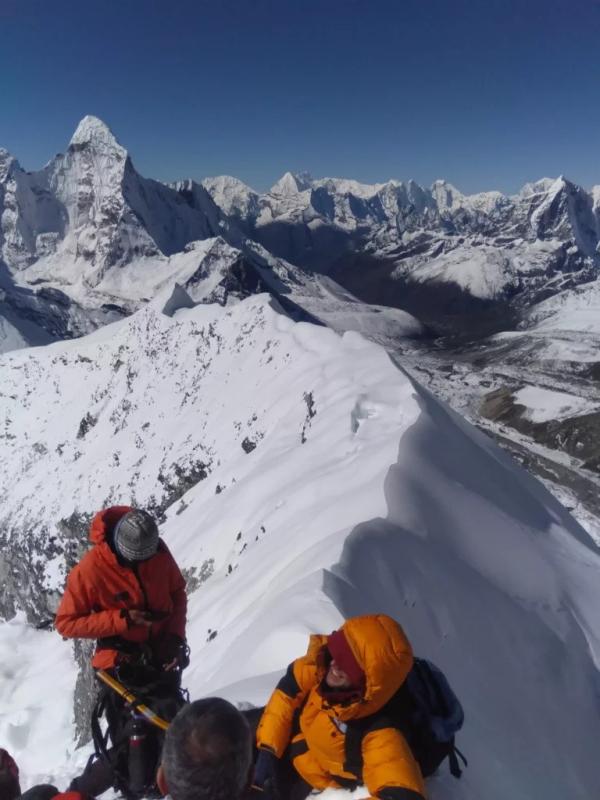
The Mountain That Taught a Lesson
High in the Himalayas, Island Peak—or Imja Tse—stands tall and proud. Many dream of reaching its summit. This mountain may not be as famous as Everest, but it offers one of the most thrilling and rewarding climbing experiences in Nepal. It's not just about reaching the top; it's about learning patience, strength, and belief along the way.
Climbing Island Peak is not easy, but it is possible with the right mindset, gear, and preparation. This guide shares the top 10 tips that can help anyone make the climb safe, fun, and successful.
Quick Facts About Island Peak
Before starting, here are some important numbers to know:
-
Maximum Elevation: 6,189 meters (20,305 feet)
-
Trekking Distance: Around 100–120 km (62–75 miles), including the route via Everest Base Camp
-
Trip Duration: 16 to 20 days
-
Difficulty Level: Strenuous (requires glacier walking and basic rope climbing)
-
Best Seasons: April–May and October–November
Island Peak is a trekking peak, but it includes real mountaineering sections. It’s often chosen by adventurers as their first Himalayan summit.
1. Train the Body Early
Island Peak is high and steep. Climbing it needs a strong body. Training should start at least 2–3 months before the trip. Long hikes, stair climbing, running, and cycling help build endurance. Exercises for legs and core will support heavy backpack loads and long walking days.
2. Allow Time to Acclimatize
Altitude sickness can turn a dream trip into a dangerous one. It’s important to follow a schedule that includes rest days. Most climbers add the Everest Base Camp trek first to help the body adjust to the height. A slow and steady approach reduces risks and increases the chance of reaching the summit.
3. Pack the Right Gear
Proper clothing and equipment are key to staying warm, dry, and safe. Here’s what’s needed:
-
Warm layers (base, fleece, and down)
-
Waterproof jacket and pants
-
Good mountaineering boots
-
Gloves, wool hat, sunglasses
-
Crampons, harness, helmet, ice axe
-
Sleeping bag rated for cold nights
Most gear can be rented in Kathmandu if not already owned.
4. Use a Trained Guide and Porter
Island Peak includes steep ice and glacier sections. A licensed guide knows the safest path and can help with technical parts of the climb. A porter carries the heavy load so energy can be saved for summit day. Many climbers say that the help of a guide is what made the journey possible.
5. Learn to Use Climbing Gear
Before summit day, climbers usually get a short training at Base Camp. This includes lessons on how to wear a harness, walk with crampons, and use ropes. Taking this seriously helps build confidence. Walking on ice and climbing a rope wall needs more than just strength—it needs skill too.
6. Start the Summit Early
Climbers begin their summit push around midnight. Walking in the dark is hard, but it’s safer. Early morning hours bring colder snow and better weather. The goal is to reach the top by sunrise and return before the winds pick up. A headlamp, warm gear, and high spirits are must-haves for this part.
7. Eat and Drink Well
High altitudes can take away hunger. But the body still needs fuel. Eating enough carbs and drinking lots of water keeps energy up and helps prevent altitude sickness. Hot soups, potatoes, and snacks like nuts or energy bars are great options. Even when not hungry, it's important to eat and drink.
8. Pay Attention to the Body
The mountain speaks through the body. If there is a headache, dizziness, or shortness of breath, it’s a sign to slow down or stop. Pushing too hard can be dangerous. Telling the guide about any strange feelings helps them decide what’s best. Safety always comes before the summit.
9. Stay Mentally Strong
Some parts of the climb feel endless. The ice wall is steep, the air is thin, and each step can be a struggle. A positive attitude helps more than anything. Believing in the journey, taking one step at a time, and staying focused make all the difference. Courage, not speed, leads to the top.
10. Enjoy the Journey
The climb is not just about reaching the summit. It’s about the trail, the people, the villages, and the silence of the mountains. Watching prayer flags flutter in the wind, drinking tea in a tiny lodge, or seeing the stars from Base Camp—all these moments are treasures. Every part of the journey matters.
A Moment That Stays Forever
On summit morning, as the first light touched the snow, the whole world seemed to glow. Everything was quiet. The cold, the tired feet, the hard climb—all of it faded. There was only peace, pride, and a deep feeling of being alive. That one moment on Island Peak can stay in the heart forever.
Final Thoughts
Island Peak or Imja tse offers more than just a mountain to climb. It offers a true test of strength, spirit, and willpower. With the right tips, anyone with determination can stand at the top and feel the magic of the Himalayas.
This peak is not just a place on the map—it’s a journey into something greater. One step at a time, the summit comes closer. And once there, the view is something that can never be forgotten.
Post Your Ad Here
Comments