Dr. Khitish Mohanty on Sacroiliac Joint Disorders
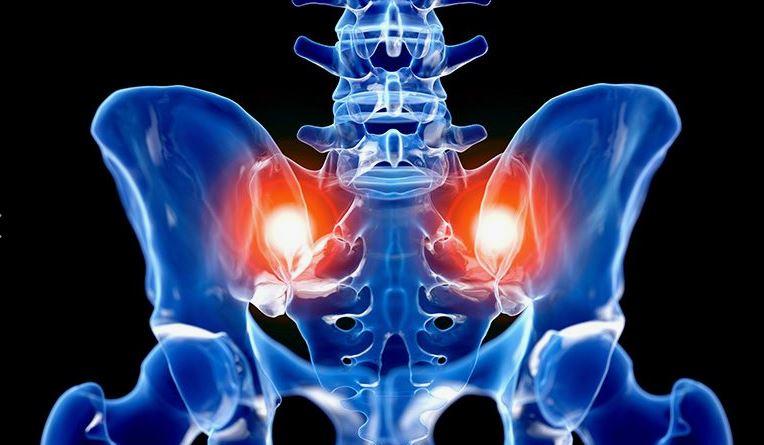
Sacroiliac (SI) joint
disorders are a commonly overlooked cause of lower back and pelvic pain.
Despite their prevalence, these disorders often go undiagnosed due to
overlapping symptoms with other spinal or hip conditions. Dr. Khitish Mohanty,
an experienced clinician in musculoskeletal medicine, has devoted significant
attention to the evaluation, diagnosis, and management of SI joint disorders.
His clinical insights provide valuable guidance for both healthcare
professionals and patients navigating these complex conditions.
Understanding
the Sacroiliac Joint
The sacroiliac joints are two
joints located where the sacrum (the triangular bone at the base of the spine)
meets the iliac bones of the pelvis with Mr.
Mohanty. These joints are critical in transferring weight and forces
between the upper body and the lower limbs. Though they allow limited movement,
their role is more about stability and shock absorption.
Disorders of the SI joint
typically arise from inflammation, dysfunction, trauma, pregnancy-related
changes, or degenerative processes. Patients with SI joint dysfunction often
experience pain in the lower back, buttocks, hips, or even down the legs,
making it easily confused with lumbar disc issues or sciatica.
Causes and
Risk Factors
Dr. Mohanty emphasizes a
multifactorial approach when considering the causes of SI joint disorders.
Trauma, such as falls or accidents, can disrupt the normal biomechanics of the
joint. Repetitive stress from sports or physical labor may also lead to
micro-injuries and chronic inflammation. Pregnancy is another common factor,
where hormonal changes and altered posture place additional stress on the
pelvic joints.
In addition to mechanical
stressors, degenerative conditions such as osteoarthritis can erode the joint
surfaces, causing pain and reduced mobility. Individuals with certain
inflammatory disorders like ankylosing spondylitis are also at increased risk,
as the SI joint is often one of the first areas affected.
Diagnosis: A
Clinical Challenge
According to Dr. Mohanty,
diagnosing SI joint disorders requires a meticulous clinical examination and
thorough patient history. Because the symptoms can mimic other conditions, it's
crucial to rule out lumbar spine pathology, hip disorders, and nerve
impingement.
Dr. Mohanty often employs a
series of physical tests to provoke SI joint pain, helping isolate the source
of discomfort. These may include the FABER test, Gaenslen’s test, or the
compression/distraction tests. While imaging techniques like X-rays or MRI can
aid in diagnosis, they are not always conclusive. Diagnostic injections into
the SI joint are sometimes used as both a diagnostic and therapeutic tool — if
pain relief is achieved after the injection, it strongly suggests the joint as
the pain generator.
Non-Surgical
Management
One of the core principles of
Dr. Khitish
Mohanty approach is conservative care as the first line of treatment.
He advocates a personalized treatment plan that addresses both pain relief and
functional restoration.
Physical Therapy
Physical therapy plays a central role in managing SI joint dysfunction. Dr.
Mohanty highlights targeted strengthening of the core, gluteal muscles, and
pelvic stabilizers as essential to reducing strain on the joint. Stretching
tight muscles and correcting posture can also improve biomechanics and reduce
recurrence.
Manual Therapy
Joint mobilization and manipulation techniques performed by skilled
professionals can help restore mobility and alignment. These interventions are
particularly helpful in cases of mechanical dysfunction without underlying
inflammation.
Medications and Injections
For inflammation and acute pain, non-steroidal anti-inflammatory drugs (NSAIDs)
are commonly used. In some cases, corticosteroid injections into the SI joint
provide significant relief and can assist in breaking the cycle of chronic
pain. Dr. Mohanty cautions that injections should be used judiciously and in
conjunction with rehabilitation efforts.
Support Devices
For patients with hypermobility or instability, the use of pelvic belts or
braces can offer additional support to the joint, particularly during
activities that aggravate symptoms.
Surgical
Considerations
While the majority of SI joint
disorders can be managed non-surgically, a small subset of patients may require
surgical intervention. This is typically considered when conservative measures
fail over an extended period and the patient experiences significant
disability.
Surgical fusion of the SI
joint is the most common procedure in such cases, intended to stabilize the
joint and eliminate painful motion. Dr. Mohanty stresses that such
interventions should only follow comprehensive evaluation and when clear
diagnostic evidence supports the SI joint as the primary pain generator.
Holistic and
Preventive Care
Dr. Mohanty also promotes a
holistic view of musculoskeletal health. He encourages long-term lifestyle
changes that support joint health, including maintaining a healthy weight,
regular low-impact exercise, and ergonomic adjustments in daily life and work
environments.
Educating patients about their
condition is a cornerstone of his approach. When individuals understand the
source of their pain and the rationale behind each treatment modality,
adherence improves, and outcomes are generally better.
Looking
Ahead
The field of SI joint disorder
management continues to evolve, with ongoing research into regenerative
therapies, improved diagnostic techniques, and minimally invasive
interventions. Dr. Khitish Mohanty remains an active contributor to the
clinical understanding of these conditions through his patient-centered
practice and continuous exploration of emerging methods.
Conclusion
Sacroiliac joint disorders may
be under-recognized, but with careful diagnosis and a well-rounded treatment
strategy, patients can achieve substantial relief and improved function. Dr.
Khitish Mohanty’s clinical experience underscores the importance of
individualized care, early intervention, and a multidisciplinary approach. His
work offers hope and clarity to patients suffering from this often
misunderstood source of pain.
Post Your Ad Here
Comments