How to Extend the Life of Your Sanitary Process Equipment?
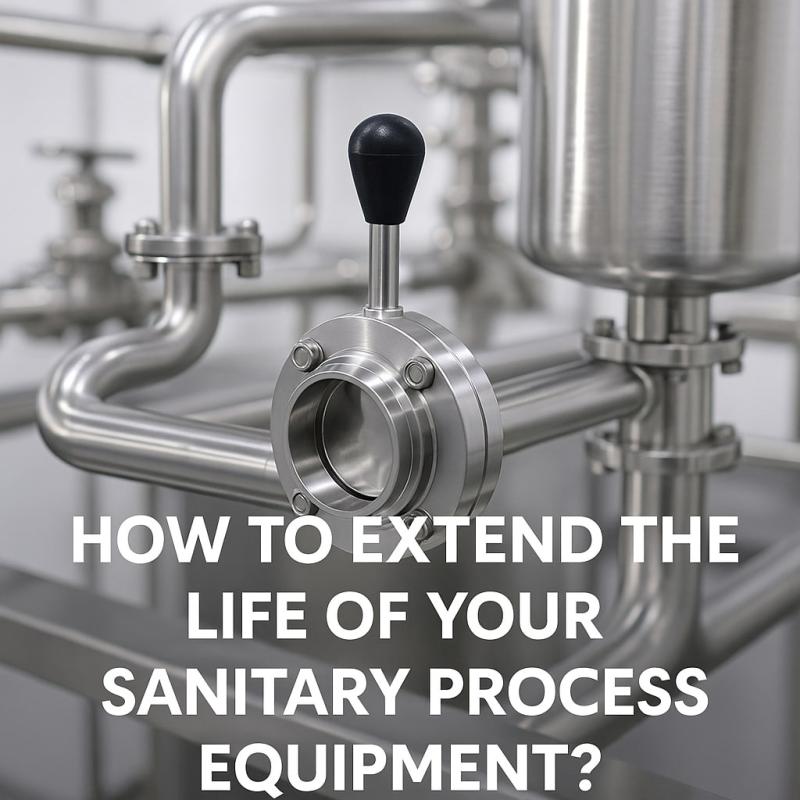
In industries such as pharmaceuticals, biotechnology, food and beverage, and personal care, sanitary process equipment is essential for ensuring product purity, compliance, and operating efficiency. The reliability of this equipment has a direct impact on product quality, safety, and production uptime.
However, frequent component wear, unexpected downtime, and expensive replacements are regular issues, particularly in systems subjected to strict cleaning cycles and continuous operation.
This article dives into practical, actionable solutions for extending the life of your sanitary process equipment, allowing you to cut maintenance costs, avoid downtime, and retain peak performance.
Understand the Common Failure Points
1. Valves and Diaphragms
Valves are crucial control components in any sanitary process system, and their diaphragms are frequently the most stressed. Repeated open-close cycles, high-temperature steam exposure, and strong cleaning solvents can all result in diaphragm fatigue, cracking, or deformation over time.
Weir-style valves are popular among diaphragm valve types because they are compatible with clean-in-place (CIP) systems and can reduce entrapment regions. However, even Weir-style diaphragms require regular maintenance and replacement to avoid system breakdowns.
2. Seals & Gaskets
Seals and gaskets are sometimes the first components to fail after chemical exposure or incorrect installation. Overcompression, incorrect torqueing, or mismatched materials can result in leaks, contamination, or system inefficiencies. Selecting the proper elastomer based on chemical compatibility is critical to extending its service life.
3. Surface Finishes and Welds
Sanitary systems rely on smooth, cleanable surfaces to prevent microbiological contamination. Worn coatings or flaws in welds can become breeding grounds for microorganisms, posing regulatory issues and compromising product safety. Regular inspections and electropolishing (if applicable) can aid to maintain sanitary surface integrity.
Material Matters: Use the Right Components
Material compatibility is an important consideration for extending the life of sanitary process equipment. Using components built from materials that are not compatible with your process medium or cleaning processes might result in premature failure, contamination risks, and higher maintenance costs.
Choose the Right Elastomers and Plastics
Material requirements differ based on the application. For example:
- EPDM (Ethylene Propylene Diene Monomer) is commonly used because it is resistant to steam, hot water, and a variety of CIP chemicals.
- PTFE (Polytetrafluoroethylene) has strong chemical resistance and is appropriate for aggressive media and high-purity processes, but it may be less flexible.
Matching the diaphragm and seal materials to the specific conditions of your process—such as temperature, pressure, and chemical exposure—is essential for long-term reliability.
CIP/SIP Compatibility is Non-Negotiable
Clean-in-place (CIP) and steam-in-place (SIP) operations put components to repetitive thermal and chemical stress. Components that are not designed for these cycles may degrade quickly, resulting in cracking, swelling, or loss of sealing integrity.
Quality Replacement Diaphragms Make a Difference
Not all replacement diaphragms are created equally. Purchasing high-quality, OEM-compatible Weir-style diaphragms guarantees consistent performance, improved resistance to wear and chemicals, and a longer service life.
Follow a Predictive Maintenance Schedule
Switching from reactive to predictive maintenance reduces unexpected breakdowns and increases equipment life.
- Track Valve Cycles: Track valve cycles to estimate diaphragm wear and schedule repairs, particularly for high-cycle Weir-style valves.
- Monitor Diaphragm Condition: Use wear indicators or inspecting for cracks, fatigue, or distortion.
- Log CIP/SIP Data: Keep records of cleaning cycles to monitor exposure to heat and chemicals. Adjust maintenance intervals accordingly.
Conclusion
Extending the life of your sanitary process equipment begins with a proactive approach. You may drastically decrease wear, downtime, and costs by choosing the proper materials, using high-quality replacement components such as Weir-style diaphragms, following to a predictive maintenance schedule, and keeping clean, verified processes.
Investing in high-quality components and regular maintenance may appear to be a higher initial expense, but in the long term, it offers better performance, fewer disruptions, and more peace of mind. Prioritizing long-term reliability over short-term savings is critical for maintaining product integrity and operational efficiency.
Post Your Ad Here
Comments