How Clinical Consultation Training Courses Improve Communication Skills in Healthcare Settings?
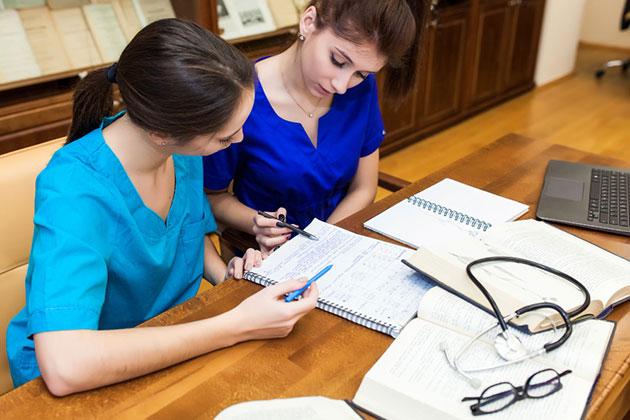
In healthcare, effective communication is critical for ensuring high-quality patient care and fostering a strong doctor-patient relationship. Clear, empathetic communication can make the difference between a successful diagnosis and a missed opportunity for treatment. One of the best ways for healthcare professionals to enhance their communication skills is through clinical consultation training courses.
These
courses are specifically designed to sharpen the communication abilities of
healthcare professionals, enabling them to conduct more effective and
compassionate consultations. In this article, we will explore how consultation courses help improve communication
skills, why they are crucial in healthcare settings, and how they positively
impact patient outcomes.
Why is Communication Important in Healthcare?
Effective
communication in healthcare is more than just speaking clearly or delivering
information. It’s about understanding the patient's needs, addressing their
concerns, and providing clear, actionable guidance. Good communication:
- Enhances patient
satisfaction and trust
- Reduces misunderstandings
and errors
- Promotes patient adherence
to treatment plans
- Improves collaboration
between healthcare professionals
However,
communication in a clinical setting can be complex. Healthcare professionals
often have to deliver difficult news, explain complicated diagnoses, and ensure
that patients understand their treatment options. This is where consulting training courses come in, providing structured
ways for medical practitioners to develop these essential skills.
What Are Clinical Consultation Training Courses?
Clinical
consultation courses are
designed to help healthcare professionals improve their consultation
techniques, focusing on communication, diagnosis, and patient management. These
consulting training courses include simulated scenarios, role-playing,
and practical exercises that allow healthcare professionals to practice and
refine their communication skills in a safe environment.
By
focusing on the nuances of patient interaction, these courses help
professionals develop a deeper understanding of patient concerns, improve their
listening skills, and create more meaningful dialogues during consultations.
How Clinical Consultation Training Improves
Communication Skills
Here are
several ways that clinical consultation courses help healthcare professionals
improve their communication abilities:
1. Building Empathy and Active Listening
Empathy
is at the heart of effective healthcare communication. Patients want to feel
understood and valued, not just treated as cases. Clinical consultation
courses emphasize the importance of active listening, which involves paying
attention not only to what the patient says but also to their non-verbal cues,
such as body language and tone of voice.
By
practicing empathy and listening skills through these courses, healthcare
professionals learn to engage with patients on a deeper level. This ensures
that patients feel heard, which leads to greater trust and openness during
consultations.
2. Enhancing Clarity in Communication
Medical
jargon and complex diagnoses can often confuse patients. It is crucial that
healthcare providers explain medical terms and treatment options in a clear and
understandable manner. Through consultation courses, healthcare
professionals are trained to simplify their language, ensuring that patients
fully comprehend their condition and the next steps in their care.
These
courses also teach professionals how to tailor their communication based on the
patient's level of understanding, ensuring that they are neither overwhelmed
with too much information nor left without enough detail.
3. Handling Difficult Conversations
Healthcare
professionals are often faced with the challenging task of delivering bad news,
managing patient expectations, or addressing sensitive health concerns.
Handling these conversations requires both emotional intelligence and strong
communication skills.
Consulting
training courses offer
healthcare professionals the opportunity to practice these difficult
conversations in controlled environments. By rehearsing these scenarios, they
develop the confidence and strategies needed to handle sensitive topics with
care and compassion, ensuring that patients feel supported even during
difficult times.
4. Improving Non-Verbal Communication
Communication
isn’t just about words. Non-verbal cues like eye contact, facial expressions,
and body language play a significant role in how messages are conveyed and
received. Clinical consultation courses teach healthcare providers how
to be more aware of their own non-verbal communication and how to interpret the
non-verbal signals of patients.
For
example, maintaining eye contact and adopting a relaxed posture can help put
patients at ease, while fidgeting or looking away may create discomfort or a
sense of disinterest. These subtle yet powerful elements of communication are
often overlooked but can be honed through proper training.
5. Encouraging Patient-Centered Care
A major
focus of modern healthcare is patient-centered care, where the patient is
viewed as an active participant in their treatment. Consultation courses
teach healthcare professionals how to involve patients in decision-making
processes by asking open-ended questions, encouraging them to voice their
concerns, and discussing treatment options collaboratively.
This
approach not only empowers patients but also enhances their satisfaction with
the care they receive. When patients feel like their opinions matter, they are
more likely to adhere to treatment plans and trust their healthcare providers.
6. Reducing Medical Errors
Effective
communication can significantly reduce the risk of medical errors.
Miscommunication between healthcare professionals and patients is a leading
cause of diagnostic mistakes, improper treatments, and missed follow-up care. Clinical consultation courses help healthcare providers
develop skills that improve the accuracy of the information exchanged during
consultations, reducing the likelihood of mistakes.
These
courses also promote better collaboration among healthcare teams by improving
communication skills within the clinical setting, ensuring that all members are
on the same page when it comes to patient care.
The Impact of Improved Communication on Patient
Outcomes
By
enrolling in consulting training courses, healthcare professionals are
not only improving their own skill sets but also making a direct impact on
patient outcomes. Patients who receive clear, empathetic communication are more
likely to trust their healthcare providers, adhere to treatment plans, and
experience better overall health outcomes.
Furthermore,
improved communication reduces patient anxiety, fosters stronger doctor-patient
relationships, and can even contribute to shorter recovery times due to better
patient cooperation and understanding of their care plan.
Conclusion
In the
fast-paced and high-stakes world of healthcare, effective communication is
crucial for delivering quality patient care. Clinical consultation training
courses provide healthcare professionals with the tools and techniques they
need to communicate clearly, empathize with patients, and manage challenging
conversations. These skills not only enhance the patient experience but also
lead to better health outcomes and more successful consultations.
For
healthcare professionals looking to improve their communication skills,
enrolling in a clinical consultation course is a practical and
beneficial step. Whether you're a seasoned practitioner or new to the field,
mastering the art of consultation can dramatically improve your ability to
connect with patients and provide the best possible care.
Also Read: How to Choose the Best Clinical
Consultation Training Course with a Focus on Communication Stations?
Post Your Ad Here
Comments