What should you carry on a hiking trip - Backpack or Duffle Bag?
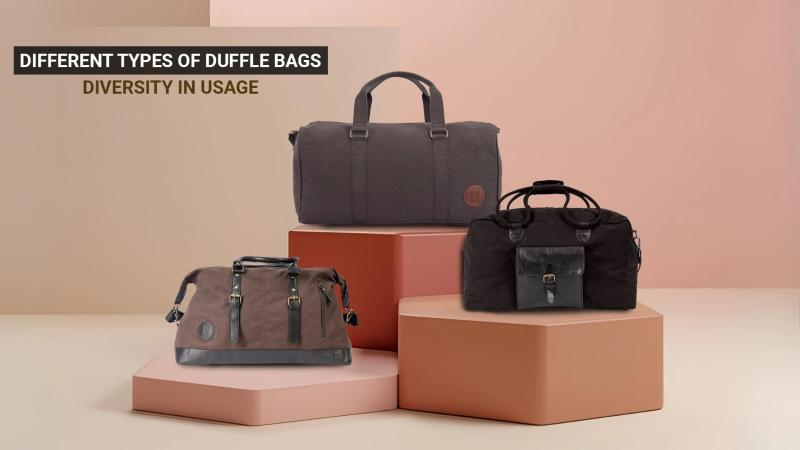
When you’re heading out on a hiking trip, the choice between a backpack and a duffle bag comes down to how you plan to carry and access your gear, the length and remoteness of your trip, and the terrain you’ll be covering. Here’s a breakdown to help you choose:
1. Backpacks
Best for: multi-day hikes, off-trail or uneven terrain, when you need hands-free mobility
| Pros | Cons |
|---|---|
| Ergonomic Load Distribution – Padded shoulder straps, hip belt, and adjustable frame keep weight centered over your hips, reducing shoulder/back fatigue. | Organizational Complexity – Multiple compartments mean you need to think about where to stash each item. |
| Hands-free Mobility – Keeps your hands free for scrambling, using trekking poles, or balance on uneven ground. | Limited Top-Loading – While panel-loading packs exist, many require you to unpack to reach bottom items. |
| Hydration Compatibility – Most packs have reservoir sleeves and tube routing. | Weight Overhead – Even a well-fitted pack can feel heavy on shoulders on very long carries. |
| Compression Straps & External Carry – Good for strapping on sleeping pads, trekking poles, ice axes, or wet gear. |
2. Duffle Bags
Best for: car-camping basecamps, short trail-to-camp carries, when you don’t need to scramble or use poles
| Pros | Cons |
|---|---|
| Easy Packing & Access – One large compartment; everything is in view and easy to reach. | Poor Weight Distribution – No hip belt; you must carry at your side or over one shoulder, leading to fatigue. |
| Durability & Volume – Many duffels (especially expedition duffels) are weather-proof and offer huge capacity. | Awkward on Trail – Cannot carry hands-free; awkward on narrow or technical sections. |
| Simplicity – No adjustment needed; you just load it up and go. | Limited Hands-Free – You’re stuck dragging, carrying, or slinging it; not ideal for long carries. |
| No Hydration Carry – No dedicated place for water reservoirs or quick-access pockets. |
3. When to Choose Which
| Scenario | Recommended Bag |
|---|---|
| Backpacking for multiple days on varied terrain | Backpack |
| Day hikes with minimal gear (snacks, water, light jacket) | Small day-pack backpack |
| Car-camping or trailhead-to-camp shuttles | Duffle bag (to move bulk gear in your vehicle) |
| Glacier or mountaineering trips requiring poles/axes | Technical backpack with ice-tool loops |
| Weekend trips where you’ll split gear between friends | Backpacks for each person; duffel for communal gear |
4. Key Features to Look For
-
Capacity:
-
Day-packs: 15–30 L
-
Overnight packs: 40–60 L
-
Expedition packs: 60 L+
-
Duffel bags: 40 L–100 L+
-
-
Fit & Comfort (Backpacks):
-
Adjustable torso length
-
Padded hip belt with pockets
-
S-shaped shoulder straps
-
Ventilated back panel
-
-
Access & Organization:
-
Top-loader vs panel-loader (backpacks)
-
External pockets vs single-compartment (duffels)
-
-
Weather Resistance:
-
Rain covers or waterproof fabrics
-
Sealed seams (duffels)
-
Bottom Line
For most trail-based hiking—especially if you’re carrying more than just water and snacks—a dedicated backpack with waist-belt support and multiple carry options is almost always the better choice. Reserve a duffle bag for basecamp transfers, vehicle-to-trailhead shuttles, or situations where you don’t need to carry the bag on your back for long distances.
Happy hiking!

Post Your Ad Here
Comments