Are Jigsaw Puzzles Good for Mental Health?
Whether you’re looking for a relaxing screen-free hobby, a mindful brain workout, or a creative challenge, 1000-piece puzzles are the perfect place to start. They strike a beautiful balance — challenging enough to engage your mind, yet manageable enough for beginners to complete without frustration.
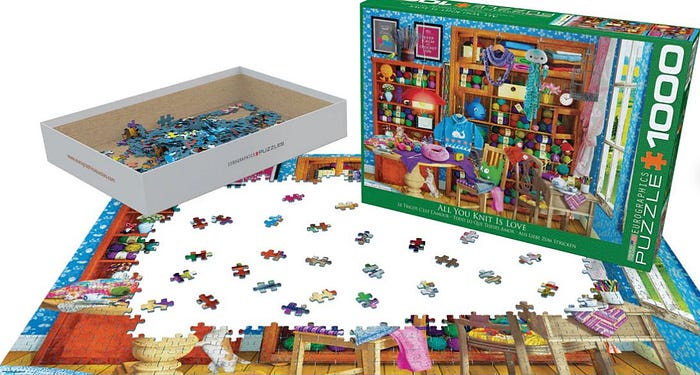
From world-renowned puzzle brands like Ravensburger Canada and Buffalo Games puzzles to themed favorites like Disney puzzles and LEGO puzzle sets, the 1000-piece format offers a diverse range of options that cater to all interests and skill levels. In this beginner’s guide, we’ll walk you through everything you need to know before diving into your first 1000 piece puzzle, ensuring your journey is both fun and fulfilling.
Why Start with a 1000-Piece Puzzle?
1000 piece puzzles offer a satisfying level of complexity without becoming overwhelming. They take more time and strategy than smaller puzzles like 300- or 500-piece sets but don’t require the weeks-long commitment of massive 2000+ piece puzzles. It’s the ideal stepping stone for beginners looking to up their puzzling game.
Here’s why they’re a great choice:
- Cognitive challenge: Great for boosting memory, focus, and problem-solving skills.
- Art appreciation: Larger puzzles often feature stunning artwork with more detail.
- Sense of accomplishment: Completing a 1000-piece puzzle brings a huge sense of pride.
Step 1: Choose Your Puzzle and Set Up Your Space
Before you even open the box, preparing your workspace is key to an enjoyable experience.
Choose the Right Surface
Select a flat, clean surface where your puzzle can stay undisturbed for days (or weeks). A dining table, dedicated puzzle board, or puzzle mat are ideal.
Good Lighting Matters
A well-lit space is crucial for distinguishing subtle color differences, especially in puzzles like Disney puzzles or scenic landscapes from Ravensburger Canada.
Use Sorting Tools
Invest in sorting trays or small containers. These help keep pieces organized by color, shape, or texture, making the assembly process smoother.
Step 2: Sort the Pieces
Sorting is an essential step that saves time and reduces frustration later.
- Edge pieces first: These form the puzzle’s border and are easier to identify.
- Group by color/pattern: This will help you tackle sections with similar imagery.
- Watch for standout features: Faces, text, or vivid images are good focal points to begin with — especially in themed puzzles like LEGO puzzle or Buffalo Games puzzles with bold artwork.
For puzzles with detailed artwork — like Disney puzzles featuring multiple characters — grouping similar elements like faces, costumes, or background scenery helps make assembly smoother
Step 3: Build the Border
Start by assembling the puzzle’s frame. This gives you a clear outline and helps break the puzzle into manageable sections.
Puzzles from premium puzzle brands often use precision cuts and unique piece shapes to ensure a snug fit. Assembling the border first creates a structure that helps guide the rest of your progress.
Step 4: Work in Sections
Don’t try to complete the puzzle in a linear fashion. Break it down into smaller, color-based or theme-based sections.
For example:
- In a Disney puzzle, start with easily identifiable characters or areas with unique colors.
- In a LEGO puzzle, work on structured elements like brick patterns or shadows first.
- With scenic puzzles, focus on the sky, water, or buildings as individual sections.
Many beginners find it helpful to complete these mini-sections and then connect them to the main puzzle frame as they go.
Step 5: Be Patient — Enjoy the Process
Remember, puzzles are meant to be enjoyed at your own pace. Don’t rush. Take breaks, walk away if needed, and come back with a fresh perspective.
Working on puzzles is a form of mindfulness — focusing on each shape, hue, and connection helps you stay in the present. This is especially true for beautifully intricate Buffalo Games puzzles, where the artwork alone is worth savoring.
Step 6: The Final Piece (and Beyond)
Few things compare to the satisfaction of placing that final puzzle piece. Take a moment to admire your completed masterpiece. Many puzzlers choose to glue and frame their 1000-piece puzzles — especially ones from premium puzzle brands — as a lasting tribute to their effort and patience.
If you find yourself hooked, you’re not alone. Puzzle collecting is a growing hobby! From Ravensburger Canada’s limited edition prints to unique pop culture sets from Buffalo Games, your next challenge is just a puzzle away.
Tips for Choosing Your First 1000-Piece Puzzle
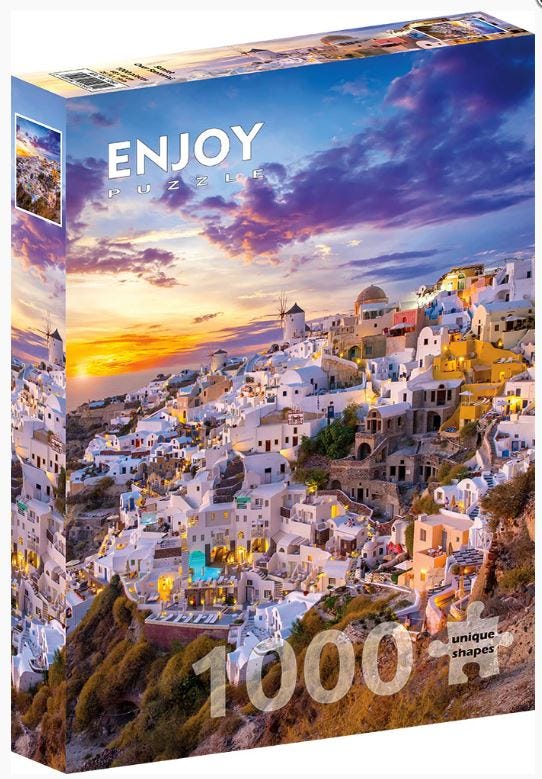
As a beginner, the puzzle you choose can set the tone for your entire experience. Here are a few tips for making the right choice:
- Pick a vivid image: Bold, high-contrast artwork is easier to sort and assemble.
- Stick with trusted brands: Brands like Ravensburger Canada, Buffalo Games puzzles, and LEGO puzzle offer consistently high quality.
- Consider your interests: Love movies? Try a Disney puzzle. Into photography? Opt for scenic landscapes.
- Avoid monotone images at first: Too much of one color (like a cloudy sky or ocean) can be frustrating.
Growing with the Hobby
Once you’ve mastered your first puzzle, you might feel ready to level up. Here are a few ways to grow your puzzling skills:
- Try different themes: Explore fantasy, cityscapes, nature, or pop culture.
- Increase piece counts: Move up to 1500 or 2000-piece challenges.
- Join a puzzling community: Share your progress, swap puzzles, and discover new puzzle brands.
You can also explore custom puzzle options. Many retailers, including options in Canada, offer custom puzzles where you can turn personal photos into one-of-a-kind jigsaw experiences.
Puzzle Brands for Beginners to Explore
If you’re just starting out, here are a few trusted puzzle brands to consider:
- Ravensburger Canada: Known for their high-quality pieces and vast collection of themes, they’re great for beginners and seasoned puzzlers alike.
- Buffalo Games Puzzles: Affordable, durable, and known for fun themes like nature scenes, travel, and pop culture.
- LEGO Puzzle: A creative and colorful take on jigsaw puzzles — ideal for LEGO fans who want to branch out into a new medium.
- Disney Puzzles: A perfect nostalgic choice that appeals to puzzlers of all ages. Whether it’s a classic princess or Pixar masterpiece, the iconic artwork keeps things interesting.
Final Thoughts
Starting with a 1000-piece puzzle may seem daunting at first, but with a bit of patience and the right approach, it becomes an incredibly rewarding and enriching hobby. Whether you’re assembling a bold LEGO puzzle, a magical Disney puzzle, or one of the finely crafted Ravensburger Canada masterpieces, the process is a journey worth savoring.
With so many incredible puzzle brands to explore, and themes ranging from relaxing landscapes to whimsical characters, you’re sure to find a 1000-piece puzzle that suits your style. So, grab your first box, pour yourself a cup of tea, and settle in — you’re about to discover the joy of puzzling, one piece at a time.
Post Your Ad Here
Comments