Why Digital Engagement Skills Will Define Next-Gen MSL Success
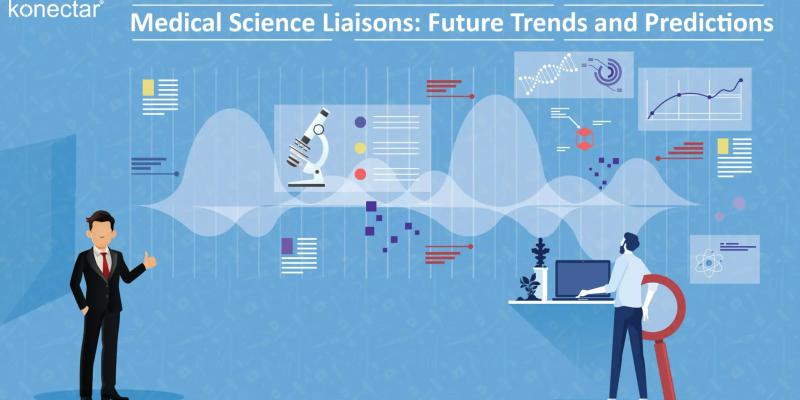
As the pharmaceutical industry continues its digital shift, Medical Science Liaisons (MSLs) must evolve beyond traditional face-to-face engagements. The future MSL must possess strong digital communication skills to maintain impactful connections with healthcare professionals (HCPs) in an increasingly hybrid world.
The COVID-19 pandemic catalyzed a massive shift to virtual interactions, and this trend is now permanent. MSLs today are expected to host virtual advisory boards, webinars, and one-on-one video calls while seamlessly integrating these touchpoints with CRM systems and digital content platforms. Remote engagement is no longer an option—it is a necessity.
One key aspect of digital engagement is mastering platform etiquette and virtual communication styles. MSLs must become proficient in tools like Microsoft Teams, Zoom, Veeva Engage, and proprietary video-enabled platforms. Knowing how to present complex scientific data virtually—while maintaining compliance and fostering engagement—is a skill that separates high-performing MSLs from the rest.
Digital engagement is not just about communication but also about analyzing behavioral data. MSLs can now track how HCPs interact with shared content—what links they click, which decks they revisit, and what topics spark discussion. These insights enable tailored follow-ups and personalized engagement strategies that are data-informed and outcome-focused.
The integration of AI and real-time analytics further enhances MSL effectiveness. Platforms like konectar provide MSLs with dashboards on HCP interests, recent publications, and digital activity. With these tools, MSLs can prioritize outreach, customize messaging, and maintain relevance in every interaction.
Training MSLs in digital literacy has become a strategic priority for many organizations. Leading pharma companies are investing in workshops focused on digital storytelling, virtual presentation skills, and omnichannel engagement. This investment is critical to ensuring consistent, high-value interactions across platforms.
Moreover, digital engagement skills allow MSLs to scale their reach. Instead of scheduling limited face-to-face meetings, they can now disseminate insights, host regional virtual briefings, or deliver on-demand video summaries of new scientific data. This expanded reach ensures more HCPs benefit from MSL expertise.
Digital proficiency also positions MSLs to contribute to broader medical strategy. By interpreting engagement metrics, understanding digital behaviors, and collaborating with medical affairs and IT teams, MSLs can provide strategic recommendations on content development and dissemination.
Ultimately, the MSL of the future will need to be as skilled with a dashboard as they are with a data table. They will act as digital ambassadors of their organization’s scientific mission, using every virtual interaction to build trust, deliver value, and drive medical advancement.
As technology continues to evolve, digital engagement skills will be the linchpin of MSL success. The ability to navigate virtual platforms with confidence, deliver personalized insights, and track digital behaviors will distinguish the most impactful MSLs in a crowded and competitive landscape.
Post Your Ad Here
Comments