At Home Teachers Corner with Engaging Learning Materials for Every Subject
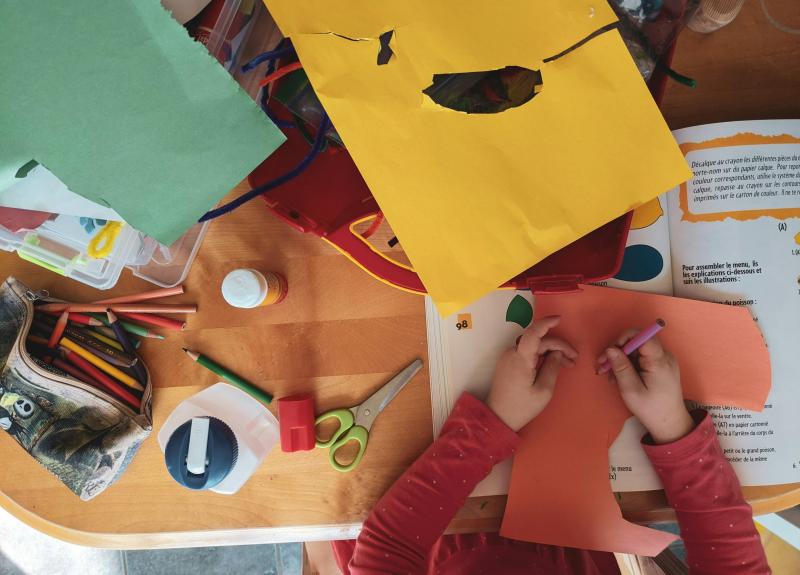
Discover how at-home educators and tutors across the Middle East are transforming learning through printable, personalized tools that make study sessions more hands-on and engaging.
With the rise of homeschooling, private tutoring, and supplemental learning, more parents and educators are crafting their own teaching environments. Whether guiding early learners or supporting older students with revision, the way educational materials are presented can have a major impact on comprehension, motivation, and enjoyment.
In places like the UAE, Qatar, and across the Middle East, flexible learning is on the rise. From kitchen tables turned into math corners to playrooms doubling as reading nooks, families and freelance tutors are embracing personalized, print-friendly tools to make education more interactive and effective.
This new wave of teaching calls for creativity, adaptability, and a touch of innovation—and luckily, with the right tech tools at home, creating your own materials has never been easier.
Why Custom Learning Materials Matter
Not every child learns the same way. Some are visual learners who thrive with colorful charts and diagrams. Others retain information better through tactile activities like cutting, sorting, or matching. While textbooks and standard worksheets serve a purpose, they rarely cater to the diverse needs of individual learners.
Creating your own teaching aids offers flexibility and fosters deeper engagement. Custom materials can be themed around a child’s interests, adapted for different learning speeds, or formatted for bilingual households. More importantly, they can turn a routine lesson into an exciting activity.
What You Can Create at Home
1. Flashcards and Word Walls
From vocabulary and multiplication tables to sight words and science terms, flashcards remain one of the most effective ways to support memory. Printable sets allow you to update content regularly and create themed decks that tie in with lessons. Laminating or labeling them also adds durability for long-term use.
2. Daily and Weekly Schedules
Consistency is key for both students and educators. Personalized weekly planners, subject-specific timetables, or reward charts can help keep things structured. Printing schedules with your child’s name or icons for each task adds a sense of ownership and predictability.
3. Subject Posters and Anchor Charts
Anchor charts serve as quick-reference guides for grammar rules, math strategies, or science classifications. Instead of buying generic versions, printing your own means you can simplify complex topics and update the visuals based on each child’s needs.
4. Worksheets and Activity Sheets
DIY worksheets offer the ability to control pacing and subject matter. You can tailor content to reinforce classroom lessons, fill learning gaps, or challenge gifted students. Incorporate puzzles, crosswords, drawing prompts, or logic games for a more well-rounded session.
5. Learning Games and Crafts
For younger learners especially, games are an excellent educational tool. Print matching cards, memory games, or spinner boards for topics like colors, shapes, or animal habitats. You can even create printable templates for crafts, storyboards, or role-playing scenes.
Tech That Supports the Creative Process
Creating all these materials might sound like a big job, but with today’s compact, easy-to-use devices, even the least tech-savvy parents can bring their teaching ideas to life. Here are some helpful tools that support homeschooling and tutoring efforts:
Compact printers: Ideal for printing schedules, posters, and worksheets on demand. Look for models that support color printing and different paper sizes.
Label printers: Use these for organizing binders, labeling folders, or even creating word banks and category tags for sorting activities.
Scanners: Great for digitizing drawings, completed worksheets, or handwritten notes for easy sharing or storage.
Design software and apps: Many templates for flashcards, lesson plans, and planners are available online and can be customized before printing.
For families who live in apartments or shared spaces, portable and space-saving devices are particularly beneficial. They allow for quick setup and clean-up while offering all the flexibility needed to pivot between subjects or styles.
The Homeschooling Boom in the GCC
Over the past few years, more families across the GCC have begun embracing homeschooling, whether due to global shifts in education, the need for more personalized learning, or lifestyle preferences. This trend has brought a greater demand for high-quality, printable resources that support a range of curriculums and age groups.
Freelance tutors, too, benefit from having custom tools they can bring into different homes or use during virtual sessions. With portable printers and a set of go-to materials, they can tailor sessions to each student while maintaining a consistent teaching experience.
Even for children enrolled in mainstream schools, many parents are enhancing at-home learning with printed aids to help with revision, holiday learning, or homework organization. It's a way to bridge classroom concepts with real-life understanding—on a timeline that works for the child.
Crafting the Future of Education at Home
Building a dynamic, responsive at-home classroom isn’t just about having the right textbooks. It’s about nurturing curiosity, simplifying complex ideas, and making learning a hands-on, interactive process. When students see their names on planners, cut out flashcards they've helped design, or play games made just for them, their investment in learning naturally grows.
With a few smart tools and a dose of creativity, any parent or educator can turn their space into a well-equipped learning hub. Whether it’s printing a custom reward chart or designing a history-themed board game, the ability to create your own educational materials opens doors to a more enriching experience.
In the end, what matters most isn’t just what students learn—but how empowered they feel while learning it. And that’s where personalized, printed tools can make a world of a difference.
Post Your Ad Here
Comments