Understanding the Importance of Maritime Single Window in Modern Shipping
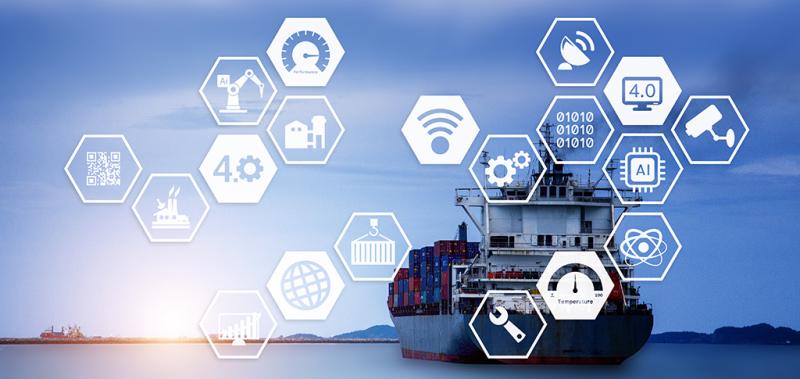
The maritime industry is a complex network of operations, regulations, and communications involving various stakeholders such as shipping companies, port authorities, customs, and logistics providers. To streamline this complexity, the concept of a maritime single window has emerged as a revolutionary tool to simplify and accelerate maritime trade processes. A maritime single window serves as a digital platform that allows all stakeholders to submit, exchange, and process regulatory documents and information through a single entry point. This approach not only enhances operational efficiency but also fosters transparency and compliance in international shipping.
What is a Maritime Single Window?
A maritime single window is essentially an integrated information system designed to facilitate communication and data exchange among different maritime agencies and participants involved in port and shipping operations. Instead of submitting multiple forms and documents separately to different authorities, stakeholders can use the maritime single window to submit all required information once. This information is then distributed electronically to the relevant authorities, speeding up clearance procedures and reducing administrative burden. The maritime single window thus plays a pivotal role in harmonizing maritime processes and improving overall port efficiency.
Benefits of Implementing a Maritime Single Window
The adoption of a maritime single window brings numerous benefits to the maritime ecosystem. One of the most significant advantages is the reduction in paperwork and manual handling, which minimizes errors and redundancies. The maritime single window enables faster processing of cargo and vessel clearance, which translates to shorter turnaround times and reduced demurrage costs. Additionally, by providing a centralized and standardized platform, it enhances transparency and accountability among all stakeholders. The system also supports compliance with international conventions and regulations, including those related to customs, immigration, and environmental protection, ensuring smoother and more secure maritime trade.
Key Features of a Maritime Single Window
A fully functional maritime single window includes several critical features designed to support the varied needs of port users. These features typically include electronic submission of cargo manifests, customs declarations, ship arrival and departure notifications, and health and safety documents. The platform is often equipped with real-time tracking and monitoring capabilities, allowing authorities to make informed decisions quickly. Integration with other port community systems and government agencies is essential to enable seamless data sharing. Security protocols such as encryption and user authentication are crucial to protect sensitive information and maintain the integrity of the system. Overall, these features contribute to a streamlined and efficient maritime process.
How a Maritime Single Window Enhances Trade Facilitation
Trade facilitation is one of the main goals of implementing a maritime single window. By providing a unified digital interface, the system simplifies compliance with complex regulatory requirements that often vary from country to country. It reduces physical visits to government offices and eliminates duplicated data entry, saving valuable time for importers, exporters, and freight forwarders. The maritime single window also helps identify bottlenecks and potential risks earlier in the supply chain, allowing for proactive measures. This increased efficiency supports faster cargo movement, reduced logistics costs, and improved competitiveness for ports and shipping companies in the global marketplace.
Steps to Implement a Maritime Single Window Successfully
Successful implementation of a maritime single window requires strategic planning and collaboration among government agencies, port operators, and private sector participants. It begins with assessing existing processes and identifying areas for improvement. Stakeholders should engage in designing a user-friendly platform that meets regulatory requirements while addressing the operational needs of the industry. Investing in robust IT infrastructure and ensuring interoperability with other systems is critical. Training and capacity-building programs help users adapt to the new digital environment. Finally, continuous monitoring and feedback mechanisms should be established to refine the system and keep pace with evolving maritime regulations and technologies.
FAQs
What is the main purpose of a maritime single window?
The primary purpose of a maritime single window is to provide a single platform for submitting all regulatory information related to ship and cargo clearance, simplifying procedures and enhancing efficiency.
Who benefits from the maritime single window system?
Shipping companies, port authorities, customs agencies, freight forwarders, and other maritime stakeholders benefit by reducing paperwork, speeding up clearance processes, and improving data accuracy.
Does the maritime single window comply with international regulations?
Yes, most maritime single window systems are designed to comply with international maritime conventions and standards to facilitate global trade and regulatory compliance.
How does a maritime single window improve security?
The system incorporates security features such as data encryption, user authentication, and secure data exchange to protect sensitive information and ensure the integrity of transactions.
Can maritime single windows be integrated with other port community systems?
Yes, integration with existing port community systems and government agencies is a key feature, enabling seamless communication and coordination across different entities.
Conclusion
In today’s fast-paced maritime industry, the maritime single window is a game-changer that transforms how port operations and regulatory compliance are managed. By consolidating multiple processes into one efficient platform, it reduces delays, cuts costs, and enhances transparency. The maritime single window fosters smoother trade facilitation, benefiting all stakeholders involved in maritime logistics. For organizations seeking innovative and reliable maritime solutions, Kale Logistics offers expertise and advanced technology to support the implementation and optimization of maritime single window systems, helping clients stay ahead in a competitive global market.
Author Bio
Written by Anika Sharma, a maritime logistics expert with deep knowledge of Kale Logistics. Explore their innovative solutions and learn how maritime single window systems can revolutionize your shipping operations by visiting their official website.
Post Your Ad Here
Comments