Monsoon Season Alert: Why Desiccants Are Critical for Moisture Protection

As the skies darken and humidity rises, businesses across India brace for the challenges that the monsoon season brings. While rains are a blessing for agriculture, they pose a serious threat to goods in storage and transit. Moisture, if left unchecked, can silently damage packaging, spoil products, and cause significant financial losses.
One of the most effective and affordable solutions?
Desiccants.
What Is the Problem With Monsoon Moisture?
During monsoon months, air humidity regularly crosses 80–90%, making storage conditions unstable. Whether it's food, electronics, textiles, or pharmaceuticals—excess moisture leads to:
-
Mold and mildew growth
-
Product clumping or spoilage
-
Rust and corrosion
-
Packaging damage (softened boxes, peeling labels)
-
Reduced shelf life and customer complaints
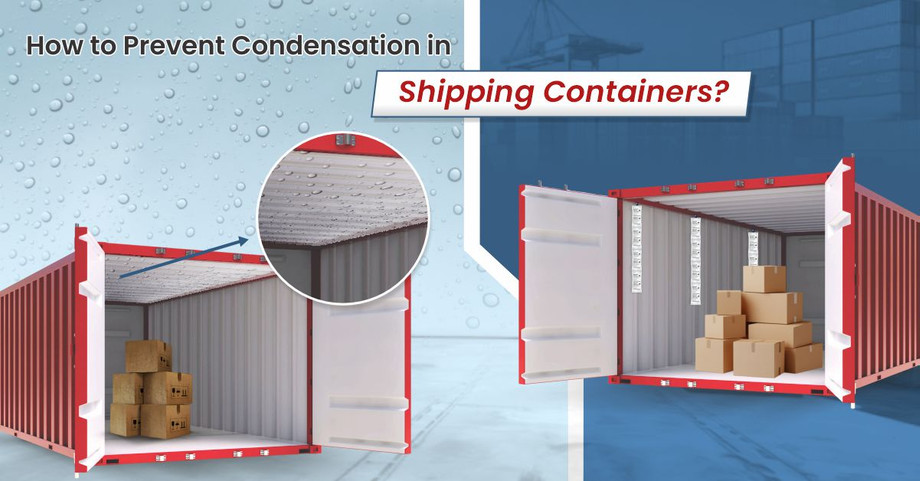
This isn’t just a storage issue—it’s a logistics crisis. Even sealed cargo containers suffer from “container rain,” where trapped humidity condenses on walls and ceilings, dripping back onto goods.
Desiccants: The First Line of Defense
Desiccants are moisture-absorbing agents that trap humidity and maintain a dry environment in packaging or storage areas. During monsoon, they become indispensable for any moisture-sensitive product.
Types of Desiccants for Monsoon Use:
-
Silica Gel Packets – Ideal for consumer goods, pharmaceuticals, electronics, footwear, and food packaging.
-
Cargo Desiccants (e.g., Sorbipaks) – High-capacity moisture control for containers, pallets, and bulk packaging.
-
Calcium Chloride Bags – Extremely high absorption rate for larger spaces.
-
Activated Clay – Eco-friendly option for industrial and general packaging.
Where to Use Desiccants in the Monsoon Season
-
Export packaging (containers, drums, pallets)
-
Warehouse storage (cartons, crates, storage bins)
-
Retail packaging (bottles, pouches, boxes)
-
Product transit during humid conditions
By adding desiccants at these touchpoints, you eliminate the risk of moisture spoilage, returns, and insurance claims.
Industry Insights
-
Up to 35% of product returns in monsoon are caused by moisture-related damage.
-
Desiccants can reduce spoilage and corrosion rates by 50–70% when used correctly.
-
More businesses are now mandating desiccants in SOPs for food, pharma, and electronics exports.
Tips for Monsoon-Ready Packaging:
-
Always use airtight or foil-sealed packaging with desiccants inside.
-
For container shipments, hang cargo desiccant strips on the inner walls.
-
Store goods on pallets off the ground to avoid floor moisture seepage.
-
Replace desiccants if packaging is opened or exposed.
Sustainable Solutions Are Available
Today’s desiccants aren’t just functional—they’re also environmentally friendly. Many silica gel and cargo desiccants are:
-
Non-toxic
-
Reusable or recyclable
-
Compliant with food and pharma standards
Conclusion: Don’t Let Rain Ruin Your Goods
Monsoon comes every year—but moisture damage doesn’t have to. Desiccants are a simple, proven, and cost-effective solution to protect your products, your packaging, and your peace of mind.
Be it a small electronics package or a full export container, make moisture control a priority this season.
Stay Dry. Ship Smart. Choose Sorbchem.

Post Your Ad Here
Comments