The Rise of Bagru Block Printing in Modern Fashion Trends
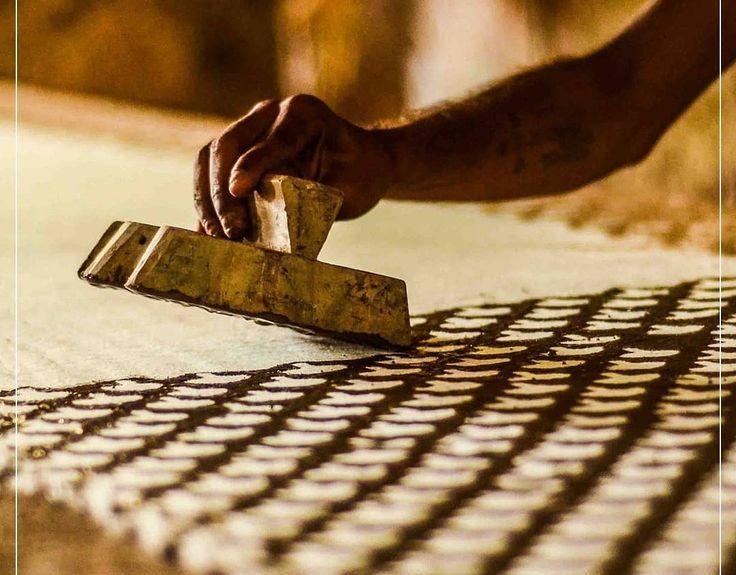
In an age dominated by fast fashion and digital prints, traditional crafts are making a remarkable comeback — and at the heart of this revival lies Bagru block printing, a 400-year-old textile technique from a small town near Jaipur, Rajasthan. Once appreciated only by craft connoisseurs, Bagru block printing is now influencing runways, wardrobes, and modern fashion collections globally. This revival has sparked a growing interest in artisanal textiles and ethical fashion, with consumers seeking authenticity and cultural richness in their clothing choices.
From Bagru print sarees in Jaipur to contemporary menswear and kids' outfits, this ancient craft is finding new relevance across generations and lifestyles. Let’s explore how Bagru printing is redefining the boundaries of fashion today.
What is Bagru Block Printing?
Bagru block printing is a traditional hand-printing technique that uses hand-carved wooden blocks and natural dyes to create motifs on cotton and silk fabrics. Originating from the Chhipa community in Bagru, this method involves a meticulous process:
-
Block carving: Intricate patterns are carved into teakwood blocks.
-
Natural dye preparation: Colors are made from turmeric, pomegranate peels, indigo, and iron.
-
Printing: The artisan stamps the fabric repeatedly with the block, ensuring precision.
-
Washing and drying: Finally, the printed fabric is washed, sun-dried, and ready for use.
The result? Earthy, symmetrical, and elegant patterns — from paisleys and florals to abstract geometric designs — that never go out of style.
From Tradition to Trend: Bagru in Contemporary Fashion
Today’s fashion is no longer just about aesthetics — it’s about stories, sustainability, and substance. As consumers become more mindful, designers are reinterpreting Bagru printing with a modern twist, making it accessible and stylish across different demographics.
Let’s look at how Bagru is transforming fashion for everyone — from women and men to kids.
1. Women’s Fashion: From Sarees to Everyday Ethnic Wear
Traditionally, Bagru prints adorned sarees worn during local festivals and rituals. Today, these prints are being adopted across ethnic festive wear collections — from flowing Anarkali suits and kurtis to lehengas and dupattas.
Bagru Print Saree in Jaipur: A Timeless Classic
A Bagru print saree in Jaipur is no longer just a cultural heirloom — it’s a fashion statement. The earthy tones of red, black, and beige work beautifully for both casual and formal settings. Many Jaipur-based boutiques and Indian clothing stores now offer these sarees with designer borders, embellished pallu work, and modern draping options.
Everyday Elegance with a Twist
Fashion brands are also creating fusion wear by pairing Bagru-printed skirts with crop tops or using Bagru prints on Western silhouettes like shirt dresses and jumpsuits. The tactile charm and comfort of the fabric make it perfect for Indian summers.
2. Menswear: Ethical Style Meets Cultural Identity
Men are increasingly embracing traditional prints, and Bagru is playing a huge role in elevating mens Indian outfits.
Modern Ethnic for Men
Bagru prints are being used to create bandhgala jackets, kurta-pajama sets, and modular Nehru jackets that blend seamlessly with jeans or linen trousers. Fashion-forward grooms are opting for Bagru print sherwanis for weddings, and designers are now launching full collections for men that feature Bagru-printed vests, shirts, and even ties.
Sustainable Appeal
The use of organic dyes and handmade processes resonates strongly with eco-conscious male consumers. As sustainability becomes an increasingly important buying factor, Bagru block printed menswear offers both style and ethics.
3. Kidswear: Introducing Culture Through Clothing
Another fascinating trend is the integration of Bagru prints into clothes for kids. Whether it's a kurta set for a family wedding or a cotton frock for school functions, the soft natural fabrics and hypoallergenic dyes make Bagru-printed garments ideal for children.
Why Parents Love It
Parents today are looking for clothes that are safe, breathable, and meaningful. Bagru-printed outfits fit all three. You’ll now find block printed rompers, dresses, shirts, and even matching parent-child sets in major Indian clothing stores and online platforms.
The Rise of Online Shopping for Bagru Prints
Thanks to digital transformation, artisans are no longer limited to local bazaars. With the boom in e-commerce, consumers can now buy Jaipur block print fabric online and get it delivered across the world.
This trend is particularly empowering small businesses and cooperatives that work directly with artisans. Buyers can order custom-stitched garments or fabrics by the meter for DIY creations — all while supporting heritage crafts.
Top Benefits of Buying Jaipur Block Print Fabric Online:
-
Access to exclusive collections not available in malls.
-
Customization options from select boutiques.
-
Direct-to-consumer pricing, which is often more affordable than luxury retail.
-
Global shipping, especially appealing to the Indian diaspora.
Platforms that focus on handloom, slow fashion, or Indian ethnic wear are now offering curated collections of Bagru sarees, suits, kurtas, and accessories that reflect the artistry of the craft.
Why Bagru Printing Appeals to Modern Consumers
The growing popularity of Bagru block prints in modern fashion can be attributed to several key factors:
1. Sustainability
Bagru printing uses natural dyes and minimal machinery, making it one of the most eco-friendly printing methods. In an era of climate-conscious fashion, this traditional art provides a blueprint for sustainable textile design.
2. Cultural Revival
Wearing Bagru prints is more than a fashion choice — it’s a nod to Indian heritage. For millennials and Gen Z consumers, there’s a growing desire to reconnect with culture, especially through fashion that tells a story.
3. Artisan Empowerment
By purchasing Bagru textiles, consumers contribute directly to the livelihood of skilled artisans. This makes the purchase not just meaningful, but also socially impactful.
4. Versatility
Bagru prints are no longer confined to ethnicwear. They're now being used in:
-
Street-style jackets
-
Workwear blouses
-
Home décor like cushion covers and curtains
-
Accessories such as scarves, stoles, and handbags
Styling Tips: How to Wear Bagru Prints in 2025
Bagru printing isn’t just about tradition — it’s about creativity. Here’s how you can incorporate it into your wardrobe:
For Women:
-
Pair a Bagru print saree in Jaipur with a contrast blouse and oxidized jewelry.
-
Team a Bagru-printed A-line kurti with denim and sneakers for a boho look.
-
Use Bagru dupattas over plain suits to instantly elevate your ethnic game.
For Men:
-
Wear a Bagru printed kurta with loafers for a minimal ethnic vibe.
-
Add a block-printed jacket over your white shirt for fusion formalwear.
-
Match a Bagru Nehru jacket with trousers for an Indo-western statement.
For Kids:
-
Choose Bagru printed frocks and shirts in soft cotton for comfort.
-
Opt for matching family outfits with Bagru prints for festivals and photo shoots.
-
Look for fun prints like elephants, stars, and geometric shapes that appeal to kids.
Conclusion: The Future of Bagru in Fashion
As the fashion industry shifts toward handcrafted, conscious, and culturally-rooted design, Bagru block printing is poised to become even more influential. From ethnic festive wear and mens Indian outfits to clothes for kids, this timeless art is bridging generations and geographies.
Consumers looking to shop ethically, stay stylish, and embrace tradition can find an abundance of options — from buying Bagru print sarees in Jaipur to exploring Jaipur block print fabric online at trusted Indian clothing stores.
In a world that’s constantly changing, Bagru printing offers something rare — continuity, craftsmanship, and character. That’s what makes it not just a trend, but a movement in modern fashion.
Post Your Ad Here
Comments