The Rise of Electric Scooters in India: Is Hero VIDA Leading the Charge?

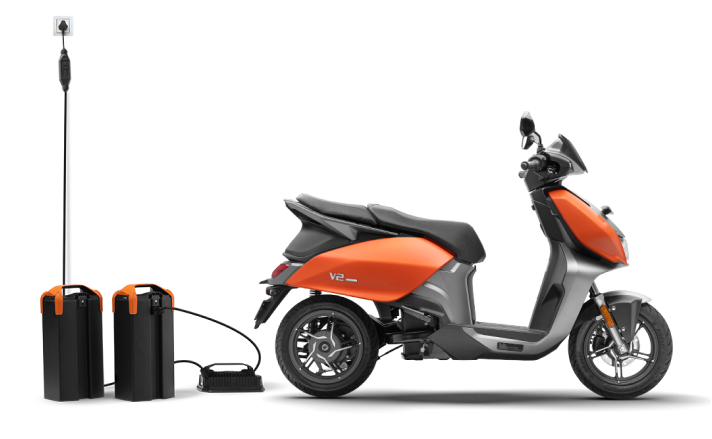
The streets of India are changing. Just five years ago, the unmistakable puttering of petrol scooters dominated our roads. Today, there's a silent revolution happening – electric scooters gliding noiselessly through traffic jams, their riders smugly bypassing petrol pumps.
As someone who's been obsessively following the EV industry since before it was cool (and yes, I've owned three different electric scooters already), I've had a front-row seat to this change. The question on everyone's mind seems to be: who's actually leading this electric revolution? And specifically, is VIDA making the impact we expected from such an established automotive giant?
The Perfect Storm for Electric Adoption
The Indian EV market didn't just happen overnight. It's been brewing like a perfect storm – rising fuel costs making us wince at the petrol pump, growing environmental consciousness, and government subsidies finally making electric vehicles financially sensible rather than just environmentally noble.
What's interesting is how quickly consumer perception has shifted. When I bought my first electric scooter in 2019, my neighbours thought I was being impractical. Now those same people are asking me for recommendations.
Where Does VIDA Stand?
Hero MotoCorp's entry into the electric space with VIDA was a significant moment, like watching a seasoned cricket player step onto a T20 field. They brought credibility and trust to a segment previously dominated by startups.
The VIDA scooters have some genuinely thoughtful features that show they understand Indian riders. Their removable battery system is a godsend for apartment dwellers like me who can't run charging cables from the fourth floor. The multiple riding modes actually make sense – I switch to Eco when my range anxiety kicks in during longer trips, and Sport mode when I need that extra zip to beat the traffic light.
The Competitive Landscape
Is VIDA leading the charge? That's complicated. Ola Electric has captured massive attention with their aggressive pricing and marketing. Ather still holds the performance crown in many enthusiasts' eyes. TVS brings its reputation for reliability to the table with the iQube.
What VIDA brings is the backing of Hero MotoCorp's vast service network – something that shouldn't be underestimated. Range anxiety might be the most discussed EV concern, but ""service anxiety"" is just as real. Knowing that there's accessible service infrastructure creates confidence, which newer startups struggle to match.
The Real-World EV Experience
Beyond specifications and features, what matters is the everyday experience. My conversations with VIDA owners reveal consistent appreciation for the build quality and ride comfort, which are crucial for our pothole-ridden roads. The app connectivity features get mixed reviews (as they do for most connected scooters), with some loving the remote capabilities while others find them occasionally glitchy.
The Road Ahead
The electric revolution in India is just beginning. While VIDA may not be the undisputed leader yet, they're making smart moves with their expanded lineup, addressing different price points and use cases.
For the average Indian commuter considering the switch to an EV, the question isn't necessarily "who's winning?" but rather "which EV suits my needs?" The good news is that with players like VIDA in the market, we're seeing more thoughtful, India-specific solutions rather than just adapted international models.
Whether VIDA ultimately leads the charge or not, their presence is elevating the entire segment – and that's a win for all of us looking to go electric.


Post Your Ad Here
Comments (1)
Purvi Dalvi6
Writer
This is a well-balanced and insightful take on the evolving electric scooter market in India. Hero VIDA’s approach—prioritizing practical features like removable, IP67-rated batteries and a robust service network—addresses the real-world needs of Indian commuters, especially those in urban apartments or Tier 2/3 cities where charging infrastructure is still developing. While brands like Ola and Ather have captured attention with aggressive marketing and high-tech features, VIDA’s focus on reliab