Effluent Treatment Plants in Pune: Key Features, Cost, and Compliance
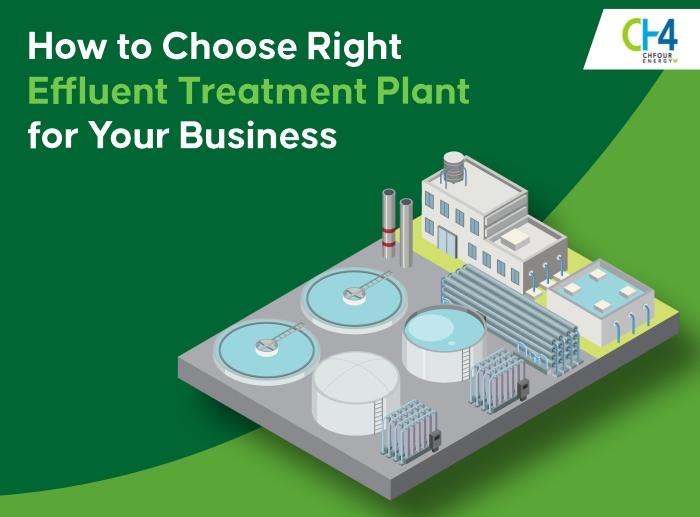
Pune, known as one of India’s fastest-growing industrial hubs, is home to a wide range of manufacturing units, IT parks, pharmaceuticals, and chemical industries. With this growth comes the responsibility of sustainable waste management—especially when it comes to industrial wastewater. That’s where Effluent Treatment Plants (ETPs) come in. In this article, we’ll explore the key features, cost factors, and compliance requirements associated with ETPs in Pune.
What Is an Effluent Treatment Plant (ETP)?
An Effluent Treatment Plant is designed to treat and remove harmful pollutants from industrial wastewater before it is released into the environment. It helps industries comply with environmental norms and ensures that the discharged water does not harm soil, groundwater, or aquatic life.
Key Features of ETPs in Pune
-
Multi-Stage Treatment Process
Most ETPs in Pune follow a systematic treatment that includes:-
Preliminary Treatment (screening, sedimentation)
-
Primary Treatment (removal of suspended solids)
-
Secondary Treatment (biological treatment)
-
Tertiary Treatment (filtration, disinfection, polishing)
-
-
Custom Design for Industry Type
Pune industries—from food processing to pharmaceuticals—require ETPs tailored to their effluent load and composition. Custom-designed systems ensure efficient and compliant treatment. -
Automation and Remote Monitoring
Modern ETPs are equipped with automation features like PLC/SCADA systems, making it easier to monitor performance and minimize manual intervention. -
Energy Efficiency
With rising power costs, ETPs now incorporate energy-saving technologies such as aeration control, variable frequency drives, and optimized pump usage. -
Low Footprint Solutions
Space is often a constraint in Pune’s urban industrial areas, so compact and containerized ETPs are gaining popularity.
Cost of Setting Up an ETP in Pune
The cost of an ETP varies based on multiple factors such as:
-
Type of Industry (e.g., chemical vs. textile)
-
Daily Effluent Volume (measured in KLD – kilo liters per day)
-
Level of Treatment Required
-
Automation and Material Used
Estimated Cost Range:
Compliance Requirements in Pune
Pune industries must follow the guidelines issued by:
-
CPCB (Central Pollution Control Board)
-
MPCB (Maharashtra Pollution Control Board)
-
Environmental Clearance (EC) requirements for new plants
Key Compliance Metrics:
-
pH levels
-
Biochemical Oxygen Demand (BOD)
-
Chemical Oxygen Demand (COD)
-
Total Suspended Solids (TSS)
-
Heavy Metal Limits
Failing to meet these norms can result in heavy penalties, shutdowns, and legal actions.
Final Thoughts
As Pune continues to grow industrially, Effluent Treatment Plants in Pune are no longer optional—they are essential. They not only help industries meet regulatory norms but also contribute to a cleaner and more sustainable urban ecosystem.
Post Your Ad Here
Comments