The Rise of Ghost Kitchens: A Comprehensive Guide for Entrepreneurs
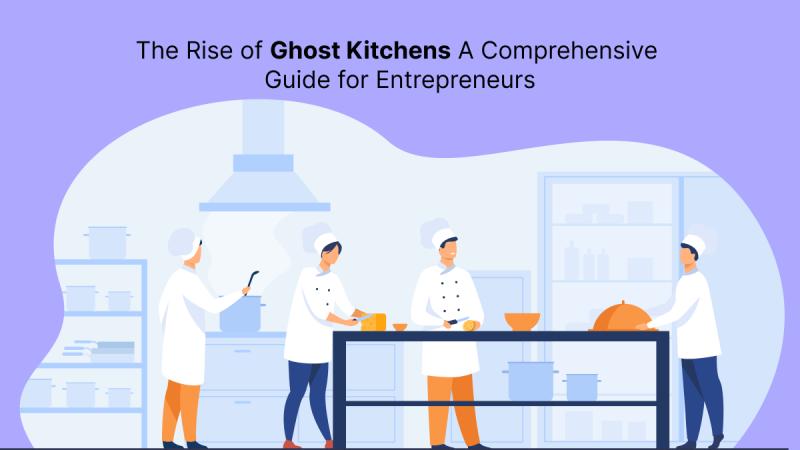
The food industry is going through a major transformation, and one of the most exciting trends is the rise of a ghost kitchen. These delivery-only kitchens have gained popularity in recent years as people shift from dining out to ordering food online. With minimal investment and flexible operations, ghost kitchens are becoming a hot choice for food entrepreneurs looking to enter the market or expand their reach.
In this blog, we’ll explore what ghost kitchens are, why they’re on the rise, how they work, and how entrepreneurs can take advantage of this growing business model.
What Are Ghost Kitchens?
Basic Concept
A ghost kitchen, also called a cloud kitchen, virtual kitchen, or dark kitchen, is a professional cooking facility set up to prepare food exclusively for delivery. Unlike traditional restaurants, ghost kitchens don’t have a dining area, servers, or customer-facing front. Customers place orders through food delivery apps or the brand’s own website or app.
Different from Traditional Restaurants
Traditional restaurants focus on customer experience at the location, which includes ambiance, service, and seating. Ghost kitchens eliminate these components to reduce costs and focus purely on food production and delivery efficiency. This makes them ideal for new food ventures or existing restaurants wanting to expand without the overhead of a new storefront.
Why Ghost Kitchens Are Growing Fast
Changing Consumer Habits
More people are now comfortable with ordering food online than ever before. With food delivery apps becoming part of everyday life, the demand for quick and convenient meals has skyrocketed. This shift is driving the growth of delivery-based kitchen models.
Cost Efficiency
Starting a traditional restaurant can be very expensive due to rent, interior design, utilities, staff wages, and licenses. Ghost kitchens operate in cheaper locations, often in industrial zones, and require fewer staff, making them much more affordable for startups.
Technology Support
Modern software allows ghost kitchens to manage multiple food brands, track orders, monitor delivery times, and collect data all from a single dashboard. This makes running the business simpler and more efficient.
How Ghost Kitchens Operate
Single or Multi-Brand Setup
Some ghost kitchens focus on a single food brand, while others operate multiple brands from one location. For example, a single kitchen can make burgers under one brand, Chinese food under another, and vegan meals under a third. This helps diversify income and reach different customer groups.
Order and Delivery Process
Orders come in through third-party delivery apps like Swiggy, Zomato, Uber Eats, or the business’s own ordering platform. Once the order is received, it’s prepared in the kitchen and handed over to a delivery driver. The entire customer interaction happens online.
Smart Kitchen Management
Ghost kitchens rely on digital tools for everything from managing recipes and ingredients to tracking customer feedback. Kitchen display systems, inventory tools, and order trackers help streamline the workflow and reduce errors.
Advantages for Entrepreneurs
Low Investment
Since there is no need for furniture, décor, or waitstaff, entrepreneurs can start a ghost kitchen with a smaller budget compared to traditional restaurants. This reduces the risk and makes it easier to experiment with new food ideas.
Quick Launch Time
Ghost kitchens can be set up in a matter of weeks, making it possible to get to market fast. This is great for entrepreneurs who want to test new concepts or scale quickly.
Easy Expansion
Once a ghost kitchen model is successful in one location, it can be easily replicated in other areas. You can scale your brand to different cities without much hassle.
Data and Insights
Ghost kitchens collect a lot of digital data about customer behavior, popular dishes, delivery times, and more. Entrepreneurs can use this information to improve service, optimize menus, and make smart marketing decisions.
Read More: Zomato Clone Scripts | Custom App Development Service
Common Challenges
High Competition
With the growing popularity of ghost kitchens, competition is increasing. To stand out, entrepreneurs need to focus on quality, customer service, and branding.
Brand Visibility
Without a physical presence, it can be hard for a new food brand to gain recognition. Strong online marketing and partnerships with food delivery platforms are essential.
Reliance on Delivery Apps
Most ghost kitchens depend heavily on delivery platforms that charge high commissions and control customer interactions. Having your own app or website can help reduce this dependence and build direct customer relationships.
Tips for Starting a Ghost Kitchen
Do Market Research
Understand your local food delivery market. Identify popular cuisines, pricing strategies, and customer preferences. This will help you design a menu that meets real demand.
Choose the Right Location
Although you don’t need a prime location, it’s important to be close to your target delivery area to reduce delivery time and costs.
Build a Strong Brand
Your food might be amazing, but if people don’t know about it, they won’t order. Invest in branding, social media marketing, and packaging that reflects your identity.
Focus on Quality
Consistent food quality and on-time delivery will help you get positive reviews and repeat orders. Use fresh ingredients and train your kitchen staff properly.
Use the Right Technology
Partner with an experienced app development company to build a robust ordering system, integrate it with delivery platforms, and manage backend operations efficiently.
FAQs
What is the difference between a ghost kitchen and a regular restaurant?
A ghost kitchen only prepares food for delivery and does not offer dine-in services. A regular restaurant serves customers on-site in addition to delivery or takeout.
Do ghost kitchens need a food license?
Yes. Just like traditional restaurants, ghost kitchens must comply with local food safety laws and obtain the necessary licenses to operate legally.
Can ghost kitchens operate multiple brands?
Yes. Many ghost kitchens run multiple virtual brands under one roof. This allows them to offer different cuisines and cater to various customer groups.
Is it profitable to start a ghost kitchen?
It can be very profitable if managed well. The lower setup cost and high demand for delivery food make it a good opportunity, especially when supported by effective branding and quality control.
Do I need to create my own app to run a ghost kitchen?
While it’s not required, having your own app gives you more control over customer experience and reduces reliance on third-party delivery platforms.
Conclusion
The rise of ghost kitchens shows how technology and consumer behavior are shaping the future of the food industry. These delivery-first businesses offer an exciting opportunity for entrepreneurs who want to start a food venture without the costs and risks of a traditional restaurant. With the right strategy, branding, and operational tools, ghost kitchens can become a strong foundation for long-term success.
If you’re planning to start your own ghost kitchen or expand your food business digitally, working with a reliable app development company can help you build a seamless ordering and delivery system that supports your growth.

Post Your Ad Here
Comments