Common Bone and Joint Issues Treated by Orthopedic Experts!
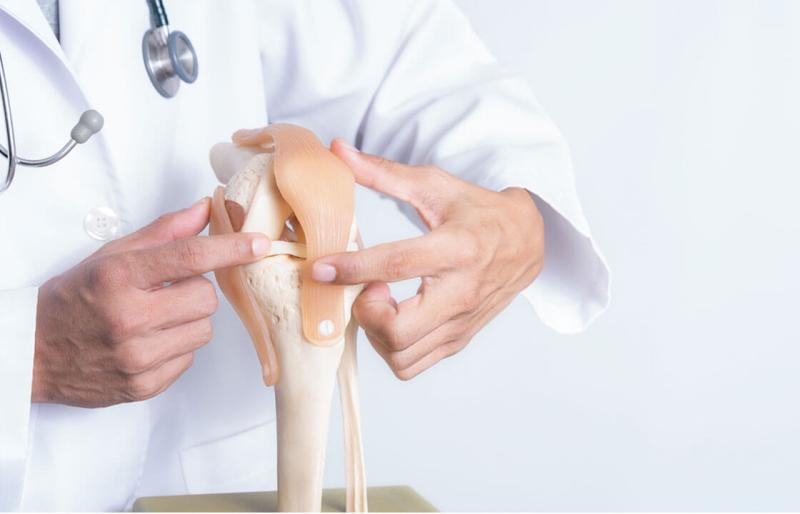
Bone and joint problems can significantly affect your daily life, limiting mobility and causing discomfort or chronic pain. Orthopedic experts specialize in diagnosing, treating, and managing these conditions to restore function and improve quality of life. Whether you're dealing with a sports injury, age-related joint wear, or congenital bone issues, consulting a nearby orthopedic specialist can be the first step toward relief.
In this article, we’ll explore some of the most common bone and joint issues treated by orthopedic professionals, including symptoms, causes, and treatment options.
1. Osteoarthritis
Osteoarthritis is one of the most prevalent joint disorders, especially among older adults.
Symptoms:
- Joint stiffness
- Pain during or after movement
- Swelling
- Decreased flexibility
Causes:
- Age-related wear and tear
- Repetitive movements
- Joint injuries
Treatment Options:
- Physical therapy
- Anti-inflammatory medications
- Joint injections
- Joint replacement surgery in severe cases
Many people search for a nearby orthopedic clinic when these symptoms start interfering with daily life, especially if conservative measures fail to provide relief.
2. Rheumatoid Arthritis
In contrast to osteoarthritis, rheumatoid arthritis (RA) is an autoimmune disease with the immune system attacking joint tissues.
Symptoms:
- Morning stiffness lasting over an hour
- Swollen and tender joints
- Fatigue
- Low-grade fever
Common Treatments:
- Disease-modifying antirheumatic drugs (DMARDs)
- Biologics
- Steroids
- Physical and occupational therapy
An experienced orthopedic doctor, often working alongside a rheumatologist, can help manage RA and reduce joint damage over time.
3. Fractures and Broken Bones
Fractures are among the most common injuries treated by orthopedic experts. They may be caused by trauma, falls, or even osteoporosis.
Types of Fractures:
- Closed or open (compound)
- Stress fractures
- Comminuted (shattered)
- Greenstick (common in children)
Treatment Approaches:
- Casting or splinting
- Bone realignment
- Surgical fixation with plates, screws, or rods
- Bone grafting for complex fractures
If you experience persistent pain or swelling after a fall, it's advisable to visit a nearby orthopedic clinic for diagnostic imaging and treatment.
4. Tendonitis and Bursitis
These conditions are caused by inflammation of tendons or bursae (fluid-filled sacs that pad the joints), usually from overuse.
Common Sites:
- Elbow (tennis elbow)
- Shoulder (rotator cuff)
- Knee
- Hip
Symptoms:
- Dull ache during movement
- Swelling
- Tenderness
Treatment Options:
- Rest and ice
- Physical therapy
- Anti-inflammatory medications
- Cortisone injections
Prompt diagnosis from a nearby orthopedic provider can prevent the condition from worsening and restore joint function.
5. Back and Spine Problems
Orthopedic specialists frequently treat spinal conditions, which can be complex and debilitating.
Common Conditions:
- Herniated disc
- Sciatica
- Scoliosis
- Spinal stenosis
Symptoms May Include:
- Lower back pain
- Radiating leg pain
- Numbness or tingling
- Weakness in limbs
Management Strategies:
- Physical therapy and chiropractic care
- Pain relief medications
- Epidural injections
- Surgery for severe structural problems
Back problems are one of the leading reasons people visit a local orthopedic surgeon or spine doctor.
6. Sports Injuries
Active individuals, particularly athletes, frequently encounter injuries that fall under orthopedic care.
Common Injuries:
- ACL tears
- Meniscus injuries
- Shoulder dislocations
- Rotator cuff tears
- Stress fractures
Typical Treatments:
- RICE method (Rest, Ice, Compression, Elevation)
- Bracing or taping
- Surgery followed by rehabilitation
- Sports-specific physical therapy
Early consultation with a nearby orthopedic sports medicine expert can significantly improve recovery outcomes.

7. Carpal Tunnel Syndrome
This is a condition that arises when the median nerve is pinched because it passes through the wrist, impacting the function of the hands and fingers.
Symptoms:
- Numbness or tingling in the first three fingers and thumb
- Hand weakness
- Difficulty gripping objects
Treatment Options:
- Wrist splints
- NSAIDs (Nonsteroidal anti-inflammatory drugs)
- Corticosteroid injections
- Surgery for nerve decompression
Orthopedic surgeons specializing in hand and wrist disorders can provide both non-surgical and surgical solutions.
8. Joint Dislocations
A dislocation occurs when the bones within a joint are pushed out of place. This typically affects shoulders, fingers, elbows, and knees.
Symptoms:
- Visible deformity
- Intense pain
- Inability to move the joint
- Swelling
Management:
- Manual reduction (putting the joint back in place)
- Immobilization
- Pain management
- Rehabilitative exercises
Immediate care from an orthopedic expert is essential to prevent long-term complications.
When to See an Orthopedic Specialist
You need to consult an orthopedic physician if you notice:
- Persistent joint or bone pain
- Difficulty moving a joint
- Swelling or deformity after injury
- Tingling or numbness in limbs
- Pain that disrupts daily activities or sleep
Timely intervention can prevent chronic issues and improve quality of life.
Conclusion
Orthopedic professionals are important in the diagnosis and treatment of various bone and joint issues. From arthritis and fractures to spinal disorders and sports injuries, their specialized knowledge helps patients regain mobility and live pain-free lives.
If you're struggling with musculoskeletal discomfort or injury, don’t delay—consult a nearby orthopedic clinic for a comprehensive assessment. Early treatment not only reduces pain but also ensures a faster and fuller recovery.
Whether you're young or old, athletic or sedentary, seeking guidance from a nearby orthopedic specialist can be your first step toward long-term joint and bone health.
Post Your Ad Here
Comments