Beyond the Basics: Exploring Modern Diagnostic Tests
Introduction: The Power of Preventive Testing
Healthcare is shifting from reactive to proactive—and diagnostic testing plays a central role in that transformation. Instead of waiting for symptoms to escalate, modern tools like the Gut Microbiome Test, GI MAP Test, and Double Marker Test allow individuals and healthcare providers to take informed action early on. These tests offer a deeper understanding of internal health, guiding smarter choices in treatment, lifestyle, and prevention.
Gut Microbiome Test: Mapping Your Internal Ecosystem
What It Is
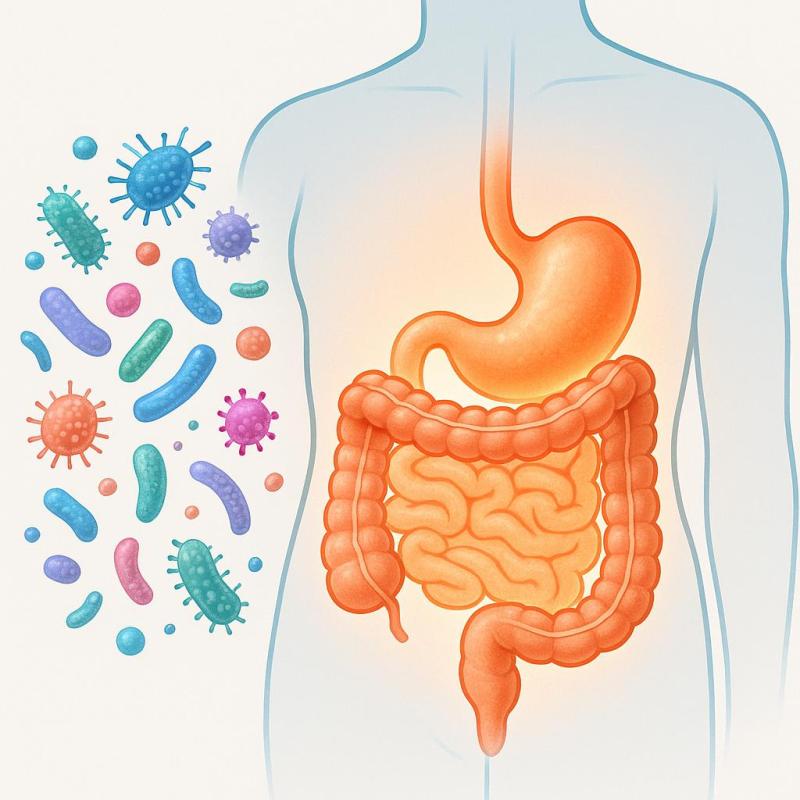
The gut microbiome is a dynamic community of bacteria, fungi, and other microorganisms that live in your digestive tract. These microbes play key roles in digestion, nutrient absorption, immune defense, hormone production, and even mental health. A Gut Microbiome Test analyzes a stool sample to assess the types and diversity of microbes present in your gut.
What It Reveals
-
Bacterial composition: Beneficial vs. harmful bacteria ratios
-
Signs of imbalance (dysbiosis)
-
Presence of pathogens or yeast overgrowth (e.g., Candida)
-
Digestive markers: Fiber fermentation, inflammation, and mucosal health
-
Short-chain fatty acid levels (e.g., butyrate)
-
Inflammatory activity
Who Should Consider It
-
People with chronic digestive issues (bloating, constipation, IBS)
-
Those with autoimmune conditions or skin disorders (eczema, acne)
-
Individuals with anxiety or mood disorders (gut-brain axis implications)
-
Athletes, biohackers, or anyone aiming to optimize gut health
Benefits
Results can help fine-tune your diet, supplement routine, and lifestyle habits to support better digestion, energy, skin, and immunity. In essence, it’s a personalized roadmap to restore gut balance and prevent chronic issues.
GI MAP Test: Functional Medicine’s Go-To Digestive Tool
What It Is
The GI MAP (Gastrointestinal Microbial Assay Plus) test is a DNA-based stool test that identifies and quantifies microbes, viruses, parasites, and intestinal biomarkers. Unlike conventional stool cultures, GI MAP uses qPCR (quantitative polymerase chain reaction) technology for higher accuracy and specificity.
What It Analyzes
-
Pathogenic bacteria like C. difficile, Salmonella, H. pylori
-
Viruses such as norovirus, rotavirus, adenovirus
-
Parasites including Giardia, Cryptosporidium, and Blastocystis hominis
-
Fungal overgrowth (e.g., Candida)
-
Immune markers: Secretory IgA, anti-gliadin (gluten sensitivity)
-
Inflammation markers: Calprotectin, lactoferrin
-
Digestive markers: Elastase (pancreatic function), fat breakdown, bile output
-
Leaky gut indicators: Zonulin levels
Who Should Consider It
-
Patients with chronic gut issues unresolved by conventional testing
-
Individuals with autoimmune conditions
-
Children with behavioral or developmental disorders (autism, ADHD)
-
People with food intolerances, fatigue, or skin issues
Benefits
This test doesn’t just detect "what’s wrong"; it reveals why. It helps clinicians design targeted treatment protocols including antimicrobial herbs, digestive enzymes, probiotics, and lifestyle changes.
Why These Tests Are Game-Changers in Healthcare
What these two tests have in common is their ability to provide in-depth insight into invisible processes within the body. Whether you’re trying to restore gut health, or identify chronic triggers, these tools go beyond routine checkups.
They shift the focus from treatment to prevention and precision, allowing for earlier interventions, more accurate diagnoses, and better long-term outcomes. In an age where personalized medicine is rising, tests like these are at the forefront of that evolution.
Final Thoughts: Choose to Know More, So You Can Live Better
Your health isn’t a guessing game—and thanks to modern diagnostics, it doesn’t have to be. Whether you’re dealing with persistent gut issues or aiming to optimize your digestive wellness, the right insights empower you to make smarter, more confident decisions.
Before opting for any test, always consult with a qualified healthcare provider to interpret the results and create a plan that’s right for you. With the right insights, you're not just treating symptoms—you're taking control of your health.
Post Your Ad Here
Comments