Trademark Conflicts Are Escalating from Minor Translation Mistakes
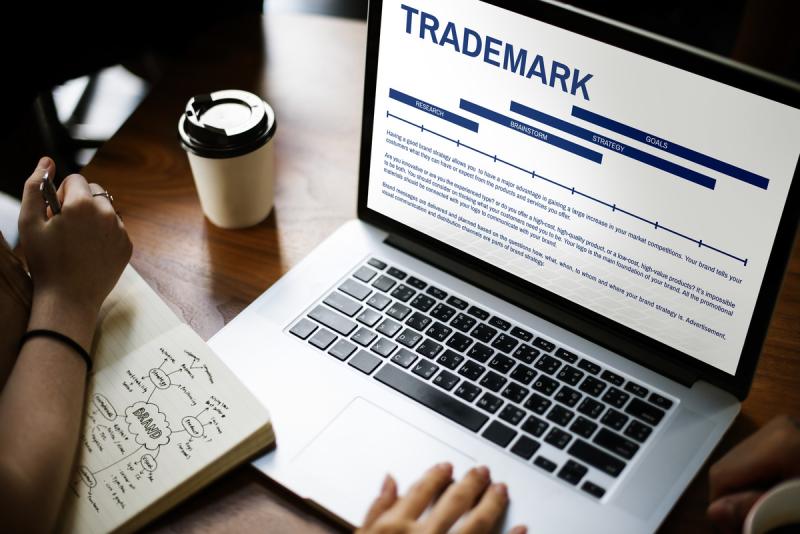
As global markets become more interconnected, trademark registration grows increasingly complex. What seem like small translation mistakes often slip through the cracks, yet their consequences can be anything but minor. These seemingly harmless errors can trigger legal complications, slow expansion, and dilute brand value—especially when companies enter linguistically and culturally diverse regions.
Translation issues aren't just administrative hiccups; they represent a hidden liability that can snowball into high-stakes conflicts. Brands have a strategic opportunity to turn this vulnerability into an advantage. Taking translation accuracy seriously not only protects legal standing but also helps cultivate stronger cultural alignment and customer trust across borders.
Small Translation Errors in Legal Language Are Creating Trademark Vulnerabilities
Legal translations often don’t get the attention they need during trademark registration. Using the right terms is key, especially when aligning with local legal rules. Mistakes in wording can lead to rejections or enforcement issues, making it harder for a brand to protect its identity and assets worldwide.
A translation that works in one country might cause problems in another. For example, a term that is neutral in one jurisdiction might carry unintended implications elsewhere, leading to delays or denials. Working with skilled legal language translation services helps minimize risk by aligning terminology with specific legal contexts. Adding thorough review steps further strengthens trademark protection in global markets.
Phonetic and Cultural Misinterpretations Are Triggering Brand Clashes
Expanding into new regions often introduces unexpected challenges when brand names or phrases resemble offensive or confusing terms in the local language. What appears appealing in one market may carry unintended or negative connotations elsewhere, leading to reputational harm or legal disputes. Cultural perceptions shape how language is received, making surface-level translations risky.
Mitigating these risks requires more than linguistic accuracy—it calls for cultural fluency. Collaborating with local experts allows brands to adapt messaging to align with regional norms, idioms, and sensitivities. This deeper understanding fosters stronger connections and helps avoid missteps that could hinder brand acceptance.
Multilingual Advertising Campaigns Are Creating Legal Risks
Marketing in multiple languages opens doors—but also legal traps. Translated slogans, if not properly vetted, may unintentionally mimic existing trademarks, especially in crowded markets. Overreliance on automated tools increases this risk by ignoring context and regional specifics. Without rigorous legal input, campaigns can trigger disputes that stall market entry or damage reputation.
Rather than rushing launches, brands benefit from building translation reviews into their creative process. Local legal insight helps spot potential overlaps early, reducing the chance of costly conflicts and preserving the integrity of brand messaging across languages. This approach supports smoother expansion and stronger brand consistency.
Inconsistent Legal Translations Are Undermining Trademark Cases
Cross-border trademark disputes often fall apart due to inconsistencies in translated legal documents. Even subtle shifts in tone, terminology, or formality can lead to misunderstandings that weaken a brand’s position in court. Poorly translated arguments may confuse decision-makers, reduce credibility, or fail to meet procedural expectations, all of which can impact case outcomes.
Relying on unqualified translators compounds the problem, introducing errors that disrupt the legal narrative. Working with certified professionals who understand both the source and target legal systems helps maintain clarity and alignment. Accurate translation of key terms like “use in commerce” or “likelihood of confusion” can be decisive in litigation.
Missed Linguistic Audits Are Weakening Global Trademark Defense
In the rush to grow quickly, brands often skip early translation reviews. Overlooking this step can lead to overlap with existing trademarks in local markets, forcing companies to abandon valuable opportunities. Such mistakes affect not only market entry but also damage brand image and identity. Accurate translation checks should be a core part of trademark planning.
If brands don’t regularly check their trademarks against local databases, they leave the door open for competitors to take advantage. For example, a competitor might register a confusingly similar mark in a jurisdiction where the original brand hasn’t yet applied. Ongoing reviews help spot problems early and give brands a better shot at building a strong presence in new markets.
Expanding a brand across borders brings opportunity—but even minor translation mistakes can create costly setbacks. Misinterpreted legal terms may lead to trademark rejections, while poorly adapted slogans can damage credibility or spark disputes. Automated tools often overlook specifics, increasing the risk of infringement or confusion. In high-stakes situations like litigation, inaccurate translations weaken arguments and erode trust. Success in international markets depends on expertise, not shortcuts. Partnering with professionals who understand both language and law helps prevent avoidable errors. Frequent, thoughtful translation reviews protect brand identity, reduce legal exposure, and support authentic connections with audiences in every region a brand enters.

Post Your Ad Here
Comments