Understanding Facial Nerve Tumors: Diagnosis Treatment and Support
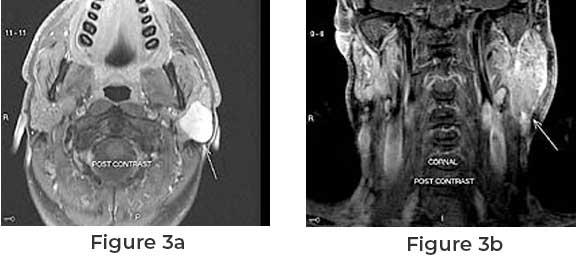
Facial nerve tumor
are rare growths that develop along the facial nerve, which controls facial
movements such as smiling, blinking, and raising eyebrows. These tumors can
lead to symptoms like facial weakness, hearing loss, and facial asymmetry. Early
detection and appropriate treatment are crucial for preserving facial function
and quality of life.
Types of Facial Nerve Tumors
- Facial Nerve Schwannomas: Benign tumors
originating from Schwann cells, which support nerve fibers. They often
cause gradual facial weakness and may require surgical removal.
- Geniculate Ganglion Hemangiomas: Vascular
malformations occurring at a specific point along the facial nerve. These
can lead to facial nerve dysfunction and may necessitate surgical intervention.
- Parotid Gland Tumors: Tumors in the parotid
gland, which houses the facial nerve, can affect nerve function. Surgical
removal is often required, with careful attention to preserving nerve
integrity.
Symptoms to Watch For
- Gradual facial weakness or asymmetry
- Difficulty closing one eye or smiling symmetrically
- Hearing loss or ringing in the ears
- Facial twitching or spasms
- Loss of taste sensation
Diagnostic Approaches
Accurate diagnosis involves a
combination of imaging and clinical evaluation:
- MRI and CT Scans: Essential for visualizing
the tumor's size, location, and its relationship with surrounding structures.
- Electroneuronography: Assesses the
electrical activity of the facial nerve, aiding in determining the extent
of nerve involvement.
- Fine-Needle Aspiration: May be used to
obtain tissue samples for histopathological examination, confirming the
tumor's nature.
Treatment Options
- Surgical Removal: The primary treatment for
symptomatic tumors. Techniques vary based on tumor location and size,
aiming to preserve facial nerve function.
- Radiation Therapy: Utilized for tumors that
are difficult to access surgically or for patients who are not candidates
for surgery.
- Reconstructive Surgery: In cases of facial
nerve damage, procedures like nerve grafting or muscle transfer can
restore function and appearance.
Post-Treatment Rehabilitation
Recovery may involve:
- Physical Therapy: Exercises to improve
facial muscle strength and coordination.
- Speech and Swallowing Therapy: Assistance
with communication and eating difficulties.
- Psychological Support: Counseling to address
emotional and social impacts of facial changes.
How Alpha Surgical Group Can
Assist
At Alpha Surgical Group,
we are committed to providing comprehensive care for individuals affected by facial
nerve tumors. Our services include:
- Advanced Diagnostic Tools: Utilizing
state-of-the-art imaging technologies to accurately diagnose and assess
facial nerve tumors.
- Expert Surgical Intervention: Our team of
experienced surgeons specializes in the delicate removal of facial nerve
tumors, prioritizing nerve preservation.
- Reconstructive Procedures: Offering advanced
techniques to restore facial function and appearance post-surgery.
- Comprehensive Rehabilitation: Providing
physical therapy, speech therapy, and psychological support to ensure
holistic recovery.
If you or a loved one is
experiencing symptoms related to a facial nerve tumor, contact Alpha Surgical
Group today. Our dedicated team is here to guide you through every step of
diagnosis, treatment, and recovery, ensuring the best possible outcomes for
your health and well-being.
Facial nerve tumor, facial nerve schwannoma, geniculate ganglion hemangioma, parotid gland tumor, facial nerve paralysis, facial nerve surgery, facial nerve rehabilitation, facial nerve function, facial nerve diagnosis, facial nerve treatment
Post Your Ad Here
Comments