Sustainability and Environmental Benefits of Steel Buildings in B.C.!
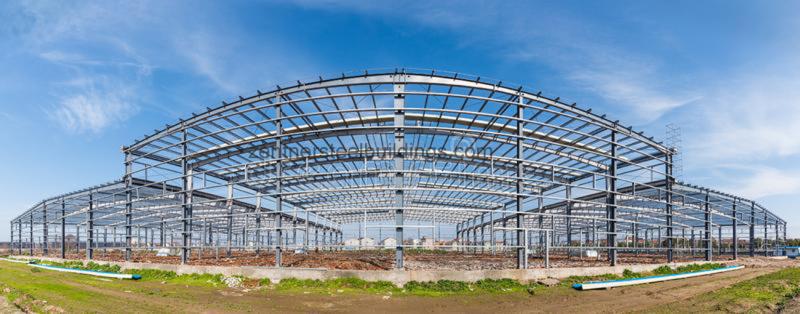
As environmental concerns and sustainability goals become increasingly important, the construction industry is turning to innovative solutions that reduce ecological impact without sacrificing durability or functionality. In British Columbia (B.C.), steel buildings are gaining recognition for their outstanding environmental benefits. B.C. steel buildings not only offer superior strength and longevity but also contribute positively to sustainable development.
This article explores the key sustainability advantages of steel buildings in B.C. and why they are an eco-friendly choice for commercial, industrial, agricultural, and residential projects.
Why Sustainability Matters in Construction
Construction activities traditionally consume large amounts of natural resources and generate significant waste and greenhouse gas emissions. Sustainable building practices seek to minimize these effects by using materials and methods that reduce energy use, waste production, and environmental degradation.
In B.C., with its commitment to green initiatives and climate action plans, adopting sustainable construction practices is vital. The use of building materials is very important in the accomplishment of these objectives.
Environmental Advantages of Steel Buildings
Steel buildings offer numerous sustainability benefits that make them an attractive option in the region. Here are some of the primary environmental advantages:
1. High Recyclability of Steel
One of the most important sustainability features of steel is its recyclability. Steel is perhaps the most recycled material on the planet. Most steel manufactured for use in construction comes from recycled material, and steel buildings reaching the end of their useful life can be recycled entirely without degradation.
- Reduces demand for virgin materials: Recycling steel reduces the need to extract iron ore and other raw materials, preserving natural resources.
- Lowers landfill waste: Steel components can be repurposed or recycled, minimizing construction and demolition waste.
- Supports circular economy: The repeated recycling of steel aligns with circular economy principles, helping to close the materials loop.
2. Energy Efficiency in Production and Construction
While steel production is energy-intensive, advances in technology have made it more energy-efficient over time. Modern steel mills use electric arc furnaces that rely heavily on recycled scrap metal, consuming less energy than traditional blast furnaces.
In construction, steel buildings contribute to energy savings through:
- Prefabrication: Steel components are often prefabricated off-site in controlled environments, reducing waste and inefficiency.
- Quick assembly: Reduced on-site energy consumption.
- Precision engineering: Accurate manufacturing reduces errors and the need for rework, saving materials and energy.
3. Longevity and Durability
Steel structures have a lifespan of decades with very little maintenance. Their resistance to pests, rot, mold, and fire means fewer repairs and replacements are required compared to traditional wood or concrete structures. This durability reduces resource consumption over time and the environmental impact associated with building replacements.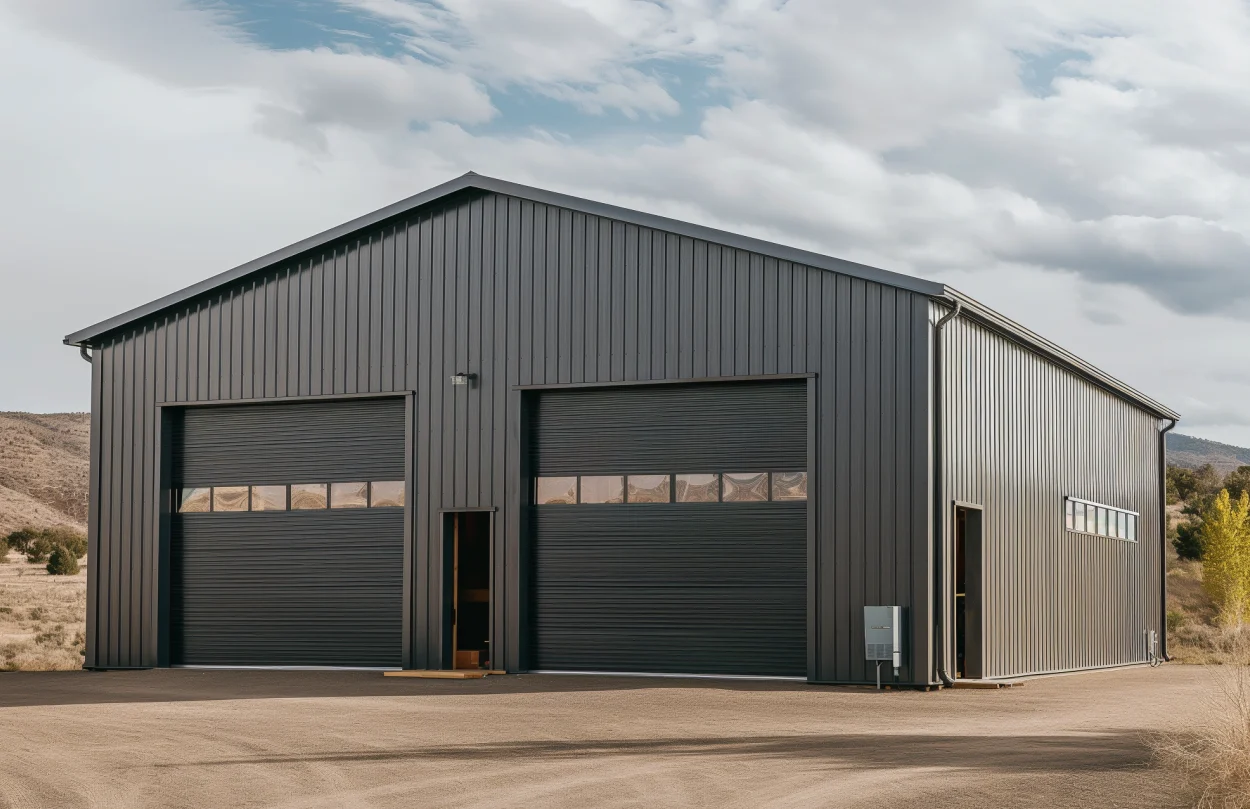
Additional Sustainability Features of Steel Buildings
Insulation and Energy Conservation
B.C. steel buildings can be easily insulated with environmentally friendly materials to improve energy efficiency. Proper insulation reduces heating and cooling needs, which is particularly important given B.C.’s diverse climate that ranges from coastal rainforests to colder interior regions.
- Reduced carbon footprint: Lower energy consumption for climate control results in fewer greenhouse gas emissions.
- Cost savings: Energy-efficient buildings decrease utility costs over their lifespan.
Design Flexibility for Sustainable Architecture
Steel’s versatility allows architects and builders to design structures that maximize natural light and ventilation, reducing reliance on artificial lighting and HVAC systems. Large clear spans and open floor plans supported by steel frames enable innovative sustainable design approaches.
Environmental Impact Reduction Through Steel Buildings
Using steel buildings in B.C. helps reduce the overall environmental footprint of construction projects in multiple ways:
Waste Minimization
- Less onsite waste: Prefabrication means fewer offcuts and errors.
- Simplified demolition: Steel structures can be disassembled and recycled easily, unlike mixed-material buildings.
Reduced Transportation Emissions
- Lightweight components: Steel is lighter than many traditional building materials, reducing fuel consumption during transportation.
- Local sourcing potential: Many steel products are manufactured regionally, decreasing transportation distances.
Resistance to Natural Disasters
Steel buildings are highly resistant to earthquakes, floods, and severe weather, which are important considerations in B.C. Regions prone to such events benefit from the structural integrity of steel, reducing rebuilding needs after disasters and the associated environmental toll.
How Steel Buildings Support Green Building Certifications
Steel structures are beneficial to most green building certification systems, including LEED (Leadership in Energy and Environmental Design) and the Living Building Challenge. Benefits include:
- Use of recycled materials
- Improved energy efficiency
- Reduction in construction waste
- Sustainable site development
Building owners aiming for certifications find steel a valuable material to meet stringent environmental standards.
Final Thoughts
As British Columbia continues to lead in environmental stewardship, construction projects are embracing sustainable materials and practices. Steel buildings provide an excellent opportunity to align with these goals without compromising quality or function.
Choosing B.C. steel buildings is a forward-thinking decision for anyone interested in reducing their environmental impact while enjoying the practical benefits of modern construction technology.
Post Your Ad Here
Comments