The Ultimate Guide to Laser Cutting for Industrial and Creative Use
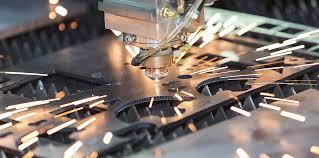
Laser cutting is a fabricating technique that applies a high-energy laser beam for accurate cutting or engraving on different materials. The process boils or vaporizes the material to create precise, ideal cuts. The synergy of efficiency, accuracy, and waste reduction made this cutting method objectively leading in industrial applications. It is of greatest convenience in intricate designs or complex work projects. Metal, plastic, wood, and cloth of any type can be efficiently cut using laser cutting technologies. Since it possesses the capability of providing quality outputs in cutting, the technology remains in high demand.
Types of Laser Cutting Technologies
The major categories of technologies include: CO₂, fiber, and crystal lasers. CO² laser technology works best in cutting wood, acrylic, leather, and non-metal paper. No surprise that fiber lasers outperform others in cutting metals by power efficiency and higher cutting speed. Nd: YAG and Nd: YVO crystal lasers can provide precise cutting functionalities for metals and ceramics. The laser employed is based on the application and material to be cut. Selecting the right laser technology enables industries to increase production efficiency and gain better cutting results.
How Laser Cutting
The process begins when a CAD drawing is inserted into a computer, which will drive the laser cutting machine. A focused beam of laser is directed at the material from the source through a lens. Scattering along the programmed path, the material melts or vaporizes as a result of the intense heat provided by the concentrated beam. Sometimes, gases like oxygen or even nitrogen are used to purge molten particles and to cool the material. The result is an accurate and perfect cut with little or no distortion. It is this level of accuracy that has made this machine very popular in many industries.
Advantages of Laser Cutting
The application of laser cutting instead of the conventional methods of cutting has many advantages. One major advantage is precision; Laser machine cutting leaves cuts that are highly detailed and precise. Since the process is contactless, tool wear is reduced, and maintenance costs come down. Through this technique, faster production rates as well as reduced lead times are facilitated, which improves the manufacturing task. Moreover, it reduces waste greatly, leading to a more environmentally friendly approach. By incorporating laser technology into automation and smart systems, optimised performance is possible for both customised projects with low volumes and regular high-throughput production.
Limitations and Considerations
Despite all these advantages, some limitations of laser cutting cannot be ignored. Smaller firms might be discouraged from investing in technology because of the high price of the initial setup. Some materials, for example, reflective metals or PVC, are problematic or hazardous when cut because they create toxic fumes or can destroy machines. Material thickness affects cutting efficiency – the thicker the material is, the more passes or special processing methods may be needed. It is also important to think about the energy that the system consumes, especially when the applications in terms of power are high. Effective ventilation systems, strong safety measures, and continuous maintenance activities are the essentials of continuous and safe performance. Understanding these aspects will help operators raise productivity, as well as safety, in laser cutting operations.
Applications in Various Industries
The processes in industries such as aerospace, automotive, fashion, and electronics all use lasers for cutting. It is indispensable in manufacturing because it enables the production of accurate parts, gears, and machine parts. In the signage industry, laser cutters are used to obtain exact acrylic or wood designs and fine lettering. This machine has a significant role to play in fabricating surgical tools and implant elements, with perfect finesse in the medical industry. Artists and designers employ these machines for detailed patterns, jewelry, and model designing of the architecture. It is crucial in many industries due to its ability to serve high-volume manufacturing and individual orders.
Also Read - Why Powder Coating Is the Smart Choice for Industrial and Home Projects
Future Advancements and Trends
Technological progress continues to push boundaries in this field. AI-driven systems are being integrated to improve automation, error correction, and energy efficiency. Desktop models are making their way into small businesses, classrooms, and hobbyist spaces. Cloud-based software now enables remote control and diagnostics, enhancing flexibility. New advancements aim to handle even more materials with better energy conservation. As industries demand smarter and greener solutions, this form of cutting continues to evolve. Its role in smart manufacturing is only just beginning.
Conclusion
Stelco has embraced this cutting-edge approach to maintain its reputation for excellence and innovation. By integrating it into production processes, the company achieves superior quality, reduced waste, and fast delivery. The ability to handle both custom and large-scale projects ensures versatility for a wide client base. Advanced systems allow for seamless integration with existing infrastructure. This strategic choice strengthens our commitment to precision and sustainability. With this technology at the core, we lead the way in modern manufacturing solutions.
Post Your Ad Here
Comments