The Evolution of Firearms: How Gun Models Have Transformed Over Time
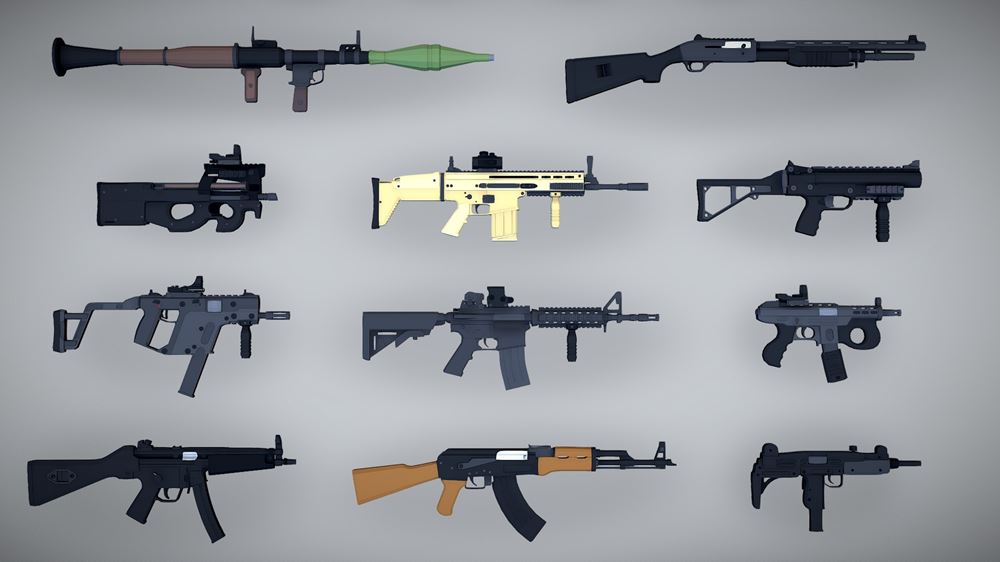
Firearms have come a long way since the days of flintlocks and muskets. What started as crude mechanical contraptions powered by black powder has turned into an expansive universe of highly engineered weapons designed for precision, efficiency, and adaptability. Whether you're a seasoned firearm enthusiast or someone just starting to explore the world of guns, understanding how gun models have evolved can help you appreciate the diversity and complexity of modern firearms.
Introduction: Why Gun Models Matter
Gun models aren’t just different versions of the same weapon — they represent innovation, adaptation to user needs, and continuous technological improvement. Each model is engineered for a specific purpose, whether it's for self-defense, hunting, sport shooting, or military use. With hundreds of models available on the market today, choosing the right one can be daunting. However, having a basic understanding of how models differ — and why — can help guide that decision.
A Brief History of Firearms Development
The journey of firearms began in the 13th century with hand cannons, evolving through the centuries into matchlocks, wheel locks, and flintlocks. It wasn’t until the 19th century that we saw the introduction of percussion caps, cartridge ammunition, and rifled barrels, paving the way for the sophisticated gun models we see today.
-
Pre-Industrial Era: Firearms were slow to reload, unreliable, and primarily used in battle.
-
Industrial Revolution: Advancements in metallurgy and machining led to repeaters and revolvers.
-
20th Century: The world wars accelerated firearm development, giving rise to semi-automatics and assault rifles.
-
Modern Day: Today’s guns are highly modular, customizable, and available for nearly every type of user and application.
Categories of Gun Models and Their Purposes
Understanding gun models also means understanding the categories they fall under. Here's a breakdown of common firearm types and some of the most popular models associated with each.
1. Handguns
Handguns are among the most popular firearms due to their portability and ease of use. Commonly used for self-defense and law enforcement, handguns come in revolver and semi-automatic formats.
-
Popular Models: Glock 19, SIG Sauer P320, Smith & Wesson M&P Shield
-
Use Case: Personal protection, concealed carry, law enforcement
2. Shotguns
Shotguns are versatile firearms ideal for hunting and home defense. Their wide shot pattern makes them effective at close range.
-
Popular Models: Remington 870, Mossberg 500, Benelli M4
-
Use Case: Hunting birds and small game, home security, tactical operations
3. Rifles
Rifles are designed for accuracy over long distances. They're popular among hunters, sport shooters, and military personnel.
-
Popular Models: AR-15, Ruger 10/22, Winchester Model 70
-
Use Case: Hunting, target shooting, tactical use
4. Assault and Tactical Weapons
These are high-performance firearms built for combat situations. Though heavily regulated, some models are available for civilian ownership in semi-automatic versions.
-
Popular Models: FN SCAR, AK-47 (civilian variants), Steyr AUG
-
Use Case: Military and tactical applications, enthusiast collectors
Factors That Differentiate Gun Models
Not all guns within a category are the same. When looking at different gun models, consider these factors:
1. Caliber
Caliber affects recoil, stopping power, and ammunition cost. For example, a Glock 17 chambered in 9mm will behave very differently from a Desert Eagle chambered in .50 AE.
2. Build Materials
Some models use polymer frames for lightweight durability, while others rely on steel for ruggedness. Your intended use should guide this choice.
3. Ergonomics
Grip shape, weight distribution, and recoil management are all critical for comfort and accuracy. Manufacturers like SIG Sauer and Beretta are known for ergonomic excellence.
4. Aftermarket Compatibility
Some gun models, like the AR-15, have massive aftermarket support. This makes it easier to customize the weapon to your needs with scopes, grips, lights, and other accessories.
How to Choose the Right Gun Model
Choosing the right firearm starts with identifying your needs. Are you looking for a home-defense weapon, a concealed-carry firearm, or a long-range hunting rifle? Once you've determined your primary use case, you can narrow down your choices based on:
-
Size and weight
-
Magazine capacity
-
Ease of maintenance
-
Recoil tolerance
-
Cost and availability of ammunition
Visiting a gun range that allows test firing of multiple models can be invaluable. Hands-on experience is often the best way to find a gun that feels right for you.
The Rise of Modular Gun Platforms
One of the most interesting trends in firearm design is modularity. Certain gun models allow users to switch out parts like barrels, slides, and even calibers with ease. The SIG Sauer P320 is a great example — its fire control unit (FCU) is the legally regulated part, while everything else can be customized or swapped.
This modularity opens the door to personalization without the need to buy entirely new guns, making it a cost-effective solution for enthusiasts and professionals alike.
Legal Considerations
It’s crucial to understand local, state, and federal laws surrounding firearm ownership. Some models may be restricted or banned in certain areas. Always ensure compliance with laws related to:
-
Ownership eligibility
-
Concealed carry permits
-
Magazine capacity limits
-
Assault weapon classifications
Failure to do so can lead to severe legal consequences.
Final Thoughts
Whether you’re new to firearms or a longtime collector, the world of gun models offers an exciting landscape of design, function, and history. Each model tells a story — of innovation, of purpose, and of the evolving needs of users.
With a little research and hands-on experience, you can find the model that suits your lifestyle, preferences, and needs. Always prioritize safety, training, and legal compliance when purchasing or handling any firearm.
Post Your Ad Here
Comments