Cutting-Edge Precision: Why Carbide Cutters Are the MVPs of Modern Machining
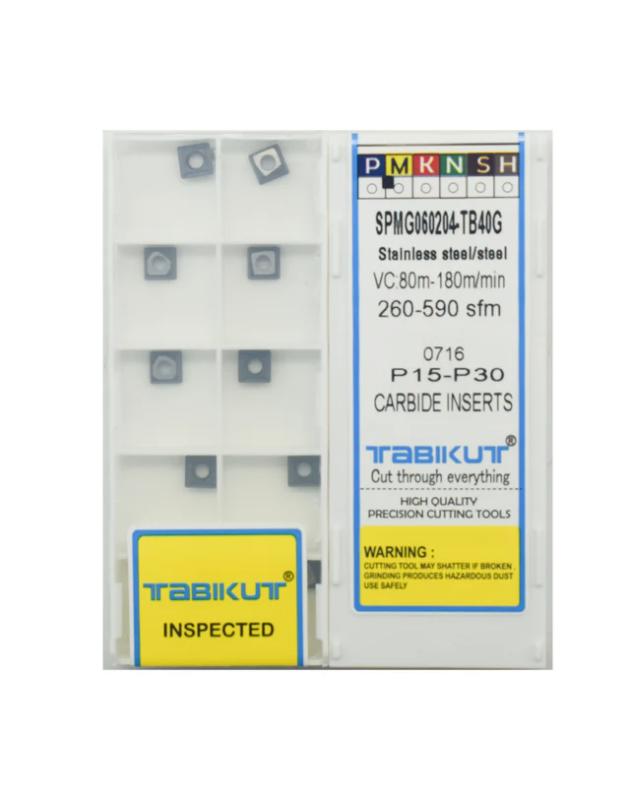
In the field of precision manufacturing and precision machining certain tools have revolutionized the industry as the carbide cutter. If you're forming wood, metal composites, plastics, or composites carbide cutting tools provide unbeatable speed, strength and endurance.
What is a carbide cut? What is it that makes it better than conventional steel tools? How do you select the best one for your job?
Let's take a look at all you should be aware of about carbide cutters--their kinds, benefits applications, and tips to ensure optimal use.
What Is a Carbide Cutter?
The carbide cutter is a cutting instrument made of the tungsten carbide which is a tough wear-resistant substance that is formed by combining carbon and tungsten atoms. Most often, they are bonded with cobalt. carbide tools are a lot more durable than high-speed steel (HSS) and are ideal for cutting materials that are tough.
Carbide cutters can be found in a variety of tools, including end mills inserts, drill bits burrs, lathes and tools.
Why Choose Carbide Over Steel?
Here's a reason why manufacturers and machinists choose carbide cutters
1. Extreme Hardness
Tungsten carbide is similar to diamonds in terms of hardness. It keeps cutting edges intact even when subjected to extreme stress and heat.
2. Longer Tool Life
Carbide cutters are more durable than HSS tools cutting down on downtime and replacing costs.
3. Faster Cutting Speeds
Their resistance to heat allows for greater speeds and feeds, which is ideal for production runs of large size.
4. Consistent Precision
They offer better tolerances, and more smooth surface finishes particularly on metals that are hard.
Common Types of Carbide Cutters
Different machining processes require different kinds of carbide tools. The most commonly used:
Carbide End Mills
For milling, profiling as well as slotting and contouring.
Available in 4-flute, 2-flute and multi-flute designs. different finishes and materials.
Carbide Burrs
Tools to deburr, shape and grinding.
Ideal for stone, hard metals and composites.
Carbide Inserts
Cutting tips that can be replaced are used for boring, turning, and facing operations.
Available in a variety of shapes (triangular round, triangular, square) and coated.
Carbide Drill Bits
Provide excellent wear resistance and heat resistance when drilling through hardened composites or metals.
Carbide Reamers
For finishing holes using precise diameters and smooth surfaces.
Where Are Carbide Cutters Used?
Carbide cutters are employed in many industries because of their performance and durability. The most important industries are:
Aerospace Cutting titanium and high-temperature alloys.
Automotive: Machining hardened steel engine parts.
Metal Fabrication Cutting and finishing at high speed.
Dentistry: Carbide burs are used in dental drills.
Woodworking specifically in CNC routers to work with the dense wood or laminated.
Choosing the Right Carbide Cutter
Here's what you should keep in mind when deciding on the right carbide cutting tool:
Material
Different grades of carbide and coatings are better suited to specific materials (e.g. TiAlN-coated stainless steel Uncoated for aluminum).
Tool Geometry
Helix angle, flute number and cutting edge-style chip removal by impact surface finish, as well as tool life.
Workpiece Hardness
Match the tool's grade to the strength of the material to be machined.
Machine Capability
High-end carbide cutters require rigorous configurations as well as high speeds in order to unleash their full potential.
Coatings That Enhance Carbide Tools
A variety of carbide tools are coated in order to increase performance. The most common coatings are:
TiN (Titanium Nitride): Increases hardness and reduces friction.
TiAlN (Titanium Aluminum Nitride): Best for high-speed and high temperature applications.
DLC (Diamond-Like Carbon): Great for non-ferrous composites and materials.
Best Practices for Using Carbide Cutters
For the best value out from your carbide tools adhere to these guidelines:
Use the correct feeds and speeds too slow results in friction, while too fast causes wear.
Guarantee tool rigidity reduce chatter by minimizing overhangs and using solid tool holders.
Coolant is crucial Use mist or flood coolant systems for cutting metal.
Do not repeat grinding unless you are skilled: Carbide requires special grinding equipment.
Maintenance Tips
Although carbide cutters are tough, proper maintenance can extend their lifespan:
Clean up after each use.
Keep in a dry area to prevent the oxidation.
Inspect for rounding or chipping of the cutting edges.
Replace inserts rather than continuing to use worn ones.
Popular Brands of Carbide Cutters
Are you in search of quality tools? These are the brands that are trusted by many:
Kennametal
Sandvik Cormorant
Mitsubishi Materials
Harvey Tool
OSG Tools
Dormer Pramet
Future Trends in Carbide Cutting Tools
The industry of cutting tools is constantly evolving. Here's what's ahead:
Nanocoated cutting tools for cutting that is ultra-smooth.
AI-driven optimization of tool paths for CNC-related operations.
Hybrid carbide diamond tools to work with ultra-hard materials.
Production of sustainable tools by using recycled carbide.
Final Thoughts: Carbide Cutters Are Built for Performance
In the field of machining where precision and speed are paramount, carbide cutters are a class that is their own. Their extraordinary wear resistance, hardness as well as their performance over a broad variety of materials makes them essential for professionals who require speed and precision.
No matter if you're a machinist fabricator, or a CNC enthusiast investing in top-quality carbide cutting tools will enhance your workflow, cut cost over time and provide superior results.
Meta Description (for SEO):
Carbide cutters are unbeatable in precision speed, speed, and life in cutting. Learn about the various types of carbide cutters, their uses, benefits, and expert advice on how to select the best carbide cutting tool.
Would you like to have this blog formatted to be the format of a WordPress post, complete with images and internal links, or even SEO keywords? Let me know what you'd like to do with it!
Post Your Ad Here
Comments