How Brands Are Innovating Sports Shoes for Women
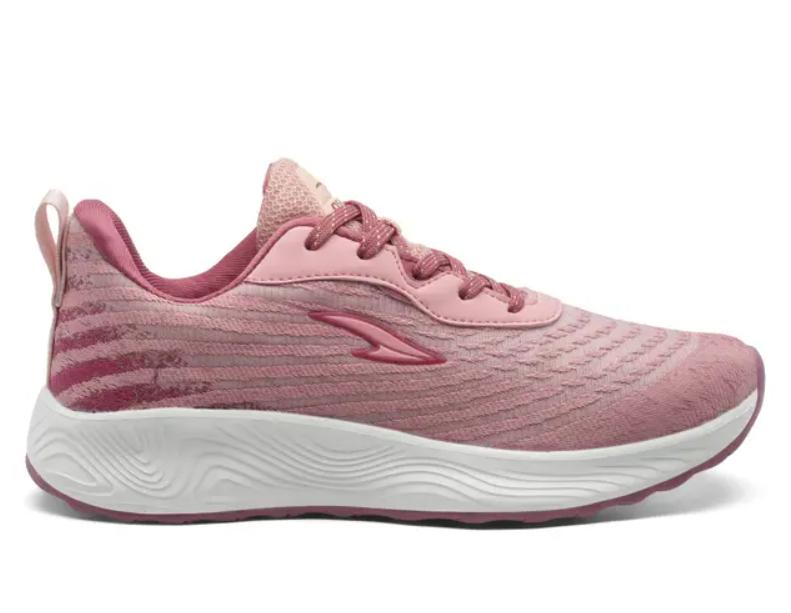
Today's sports shoes for women reflect the result of extensive study, technological progress, and a basic change in how brands view female players. The women's sports gear business has changed from an aside to a moving force of innovation. Women's feet aren't simply smaller versions of men's feet—they usually have different measurements, pressure points, and physical needs. Let’s explore the cutting-edge innovations reshaping sports shoes for women.
The Evolution of Women's Sports Footwear
The story of women's sports shoes has been amazing. In the not-so-distant past, brands simply scaled down men's patterns and added usually feminine colours. This "shrink it and pink it" method ignored basic differences in female physiology, resulting in poor performance and comfort. Key Milestones:
1970s: First specialised women's running shoes emerge
1990s: Initial study into female-specific dynamics
2000s: Introduction of women s's-specificlasts (foot casts)
2010s: Advanced tools handling women's unique needs
2020s: Holistic approach to women's sports footwear
Today, top sports brands hire specialised teams focused exclusively on women's footwear. These teams are conducting extensive research to understand how women move during various activities and the unique pressure patterns their feet create.
Anatomical Differences: Why Women-Specific Designs Matter
Women's feet usually vary from men's in several ways, directly impacting sports ability and comfort. Smart brands now understand that these differences demand purpose-built solutions. Critical Differences:
Narrower heels compared to the forefoot width
Higher arches on average
Different Q-angle (the angle between the quadriceps muscle and the patellar tendon)
Distinct pressure spread while running or jumping
Technology-Driven Cushioning Innovations
Cushioning technology has changed greatly to handle women's unique gait patterns and contact forces. Studies show women often experience different vertical loading rates during running compared to men.
The technologies are fine-tuned to women's normal movements, with pressure reduction where women need it most, helping to avoid common injuries like stress fractures and knee difficulties.
Materials Revolution: Sustainability Meets Performance
Women are the main users of environmental goods, and footwear makers have taken notice. The latest sports shoes for women often feature new eco-friendly materials that don't trade off performance.
The sustainable materials are designed to provide the same level of sturdiness, flexibility, and support as traditional synthetics while reducing environmental impact—a win-win method that resonates strongly with female customers.
Adaptive Fit Systems for Women's Unique Foot Shapes
Women's feet can change size more frequently than men's due to hormonal shifts, pregnancy, and other reasons. Innovative brands have developed adaptable fit methods that handle these changes.
These methods allow the shoe to adapt to the foot rather than causing the foot to adjust to the shoe, giving consistent comfort throughout the day and during different times of life.
Colour Beyond Pink: Design Philosophy Changes
While there's nothing wrong with pink, limited women's choices to traditionally feminine colours show outdated thinking about who sports shoes for women are made for. Modern brands offer colour schemes based on customer tastes rather than gender norms. Design Evolution:
Bold colour choices across all performance areas
Limited-edition artist partnerships featuring unique looks
Professional-grade decisions in the same colours are offered to top athletes
This change reflects more than aesthetics—it identifies women as serious players worthy of serious tools, not just fashion items.
Performance-Specific Engineering for Female Athletes
Different sports put different needs on boots. Today's sports shoes for women are designed with sport-specific performance features based on a study into how women move during particular activities. Sport-Specific Innovations:
Running: Enhanced forefoot flexibility matching with women's usually more flexible feet
Basketball: Lower profile shapes with targeted ankle support
HIIT/Cross-training: Wider heel bases for stability during lateral moves
Trail Running: Women-specific grip patterns based on centre of gravity differences
Size Inclusivity and Extended Range Offerings
Progressive brands have expanded their size choices to serve women with bigger or smaller feet who were previously banned from performance footwear options. Inclusive Sizing Initiatives:
Extended size options (usually US women's 5-12, with some names going to 15)
Half-size choices throughout the entire range
Multiple width choices (narrow, normal, wide, extra-wide)
Conversion-free sizes for easy shopping
Consumers can now find branded shoes at lowest price across these expanded ranges, making performance footwear accessible to more women than ever before.
Smart Shoes: Digital Integration in Women's Footwear
The integration of technology into women's sports shoes has opened new options for tracking performance and providing real-time coaching. Smart Features include embedded sensors that connect to smartphone apps for unique insights. These tools help women improve their training, avoid injury, and understand their unique movement patterns—information that was once available only to top athletes.
Conclusion
The change in sports shoes for women reflects more than just better products—it symbolises a larger acceptance of women as serious players with specific needs deserving of serious innovation. Like a well-designed training program, the development gradually builds upon each gain to create something truly changing. From anatomically correct designs and sustainable materials to smart technology and inclusive sizes. Today's sports shoes for women reflect years of study, athlete feedback, and a fundamental shift in how brands view female customers.
Post Your Ad Here
Comments