Wayfinding Signs Raleigh: Enhancing Visitor Experience in Parks and Campuses
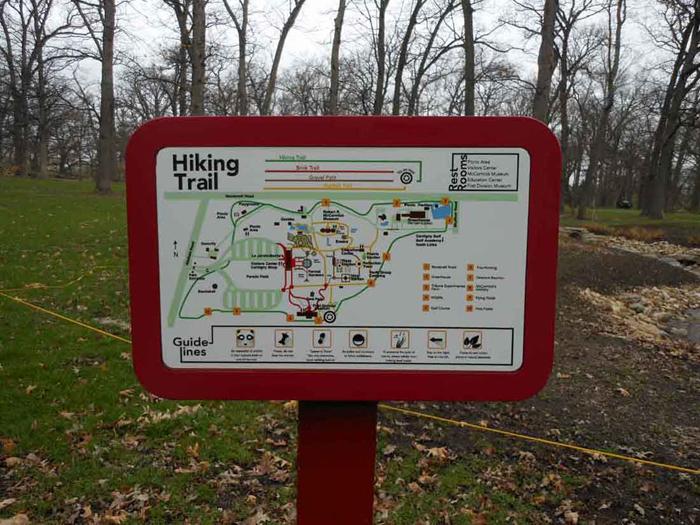
In a growing city like Raleigh, North Carolina, where development and public engagement are on the rise, effective wayfinding signage is becoming increasingly vital. Whether you’re strolling through one of Raleigh’s lush public parks or navigating a sprawling university campus, clear and intuitive wayfinding signs play a key role in ensuring that visitors feel welcome, informed, and confident in their movements. These signs not only guide people from point A to B but also enhance their overall experience by reducing confusion, improving accessibility, and promoting a sense of place.
What Are Wayfinding Signs?
Wayfinding signs are visual tools used to guide people through physical spaces. They help individuals identify where they are, understand where they want to go, and determine the best route to get there. These signs typically include directional arrows, location names, maps, symbols, and even color-coded paths, depending on the complexity of the space.
In environments like parks and campuses, where visitors may be unfamiliar with the layout, wayfinding signs are essential. They provide structure to the environment while allowing for exploration without frustration.
The Importance of Wayfinding in Raleigh
Raleigh is home to a variety of public attractions, including Pullen Park, Dorothea Dix Park, and several college campuses like North Carolina State University. With both residents and tourists frequently visiting these locations, a reliable and user-friendly navigation system is critical. Here’s why:
1. Improved Visitor Experience
Wayfinding signs create a smooth and welcoming experience for parkgoers and campus visitors. Rather than feeling lost or overwhelmed, visitors can focus on enjoying the scenery or reaching their destinations with ease. Clear signage reduces stress and helps people make the most of their time.
2. Accessibility for All
Modern wayfinding signage systems in Raleigh are increasingly designed with accessibility in mind. This includes considerations for individuals with visual impairments (through tactile or braille signs), mobility challenges (via ADA-compliant paths and signage), or cognitive limitations (using icons and simple language). This inclusive approach makes public spaces friendlier and more usable for everyone.
3. Branding and Aesthetic Appeal
In addition to functionality, wayfinding signs contribute to the visual identity of parks and campuses. Consistent colors, typography, and logo integration help create a cohesive brand image. For example, Raleigh’s public parks may feature earthy tones and nature-themed graphics, while a university may opt for institutional colors and emblems. This not only aids navigation but also strengthens the emotional connection between visitors and the space.
4. Support for Events and Emergency Situations
Parks and campuses frequently host events such as festivals, sports competitions, or campus tours. Temporary or adjustable wayfinding signs can be used to manage foot traffic, indicate event zones, or guide attendees to parking, entrances, and restrooms. In emergencies, properly designed wayfinding can help people find exits and safety zones quickly and calmly.
Key Elements of Effective Wayfinding Signage
To be truly effective, wayfinding signs in Raleigh’s parks and campuses should follow a few essential design principles:
-
Clarity: Information should be easy to read and understand. Use legible fonts, high-contrast colors, and universally recognizable symbols.
-
Consistency: Maintain uniform design, color coding, and terminology throughout the space to prevent confusion.
-
Visibility: Signs should be placed at eye level and in well-lit areas, with proper orientation to the user’s line of sight.
-
Durability: Outdoor signs should be weather-resistant and built to withstand environmental wear and tear.
Real-World Applications in Raleigh
Parks
In Raleigh’s parks, wayfinding signs do more than point toward restrooms or picnic areas. They often highlight trails, distance markers, historical information, and ecological facts. For instance, in Dorothea Dix Park, signage may guide you to sunflower fields in summer, while at William B. Umstead State Park, you might find detailed trail maps and wildlife information.
Campuses
College campuses, like NC State University, are mini-cities unto themselves, with academic buildings, dormitories, sports arenas, libraries, and dining halls spread out over hundreds of acres. For new students and visitors, signage is crucial. Smart, layered signage systems often combine permanent directional signs with digital kiosks or QR codes for real-time navigation.
Technology and Innovation in Wayfinding
Raleigh is also seeing the integration of smart technologies into traditional wayfinding. Mobile-responsive maps, augmented reality (AR) navigation, and interactive kiosks are being piloted in some areas. These innovations enhance traditional signage by providing dynamic information, such as real-time updates, multilingual support, or personalized directions based on mobility needs.
For example, a visitor scanning a QR code on a sign in a Raleigh park might access an interactive map on their smartphone, showing nearby trails, restroom locations, and historical landmarks.
Conclusion
Wayfinding signs in Raleigh’s parks and campuses are much more than directional aids—they are integral to a welcoming and accessible environment. As the city continues to grow and attract new visitors, investing in thoughtful, inclusive, and visually appealing signage will be key to maintaining positive user experiences. Whether you're a student finding your first lecture hall or a family exploring a nature trail, effective wayfinding turns uncertainty into confidence and curiosity into joy.
Post Your Ad Here
Comments