Impact of SaaS on the Evolution of Fintech
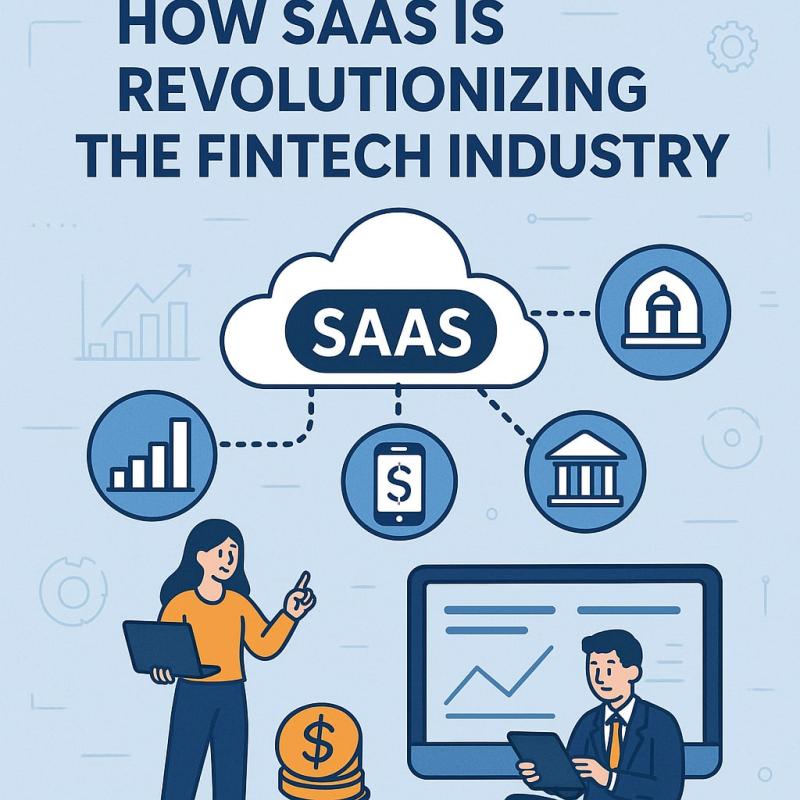
We would all agree that the modern business environment is characterized by continuous innovation, yes? And that too across all sectors, surely. Yet, it is the financial services industry which appears to have undergone rather significant changes in recent years. Digital technologies have obviously changed how financial services are delivered and used. Customers now want convenient and personalized experiences across multiple digital platforms. This shift has put pressure on traditional financial institutions to adopt new ways of doing business. So, how technology solutions are delivered and consumed has become critical for fintech companies. Traditional premises infrastructure can be costly to install and maintain. The consequent need for agility and cost effectiveness has prompted the emergence of Software as a Service as a highly lucrative option for fintech companies.
In this blog, I will discuss some of the more important benefits you stand to gain from putting this tech to work with the help of a trusted SaaS development company.
What Refers to as SaaS?
It is a software distribution model wherein a third-party provider hosts apps and makes them available to customers via cloud computing. So instead of buying and installing software on your own systems, you can access said software via a web browser or a dedicated client app. The software provider oversees the entire underlying infrastructure. This includes servers and networking, as well as the software itself.
How SaaS is Revolutionizing Fintech?
SaaS transforms Fintech, which increases the cost-effectiveness, scalability, and agility of financial services. The sector is being redefined by cloud-based solutions, which include AI-driven analytics and digital payments. Companies are using SaaS to improve customer experience, security, and compliance. In this guide, we examine how SaaS is influencing the direction of fintech. Let's examine the major breakthroughs propelling this transformation.
- Cost savings: SaaS usually does away with the need for significant initial investments in hardware and software licenses. You see, instead of buying expensive servers and software, fintech companies pay a monthly subscription fee. SaaS also lowers the costs associated with IT infrastructure maintenance and upgrades. This is because the SaaS provider manages and maintains all requisite infrastructure. So fintech companies do not need to allocate resources to these tasks. This can lead to lower operating expenses and more predictable monthly or annual costs.
- Eliminate internal team administration: With SaaS, the provider handles all aspects of software administration. This includes installation and backups, among countless other things. So internal IT teams can devote more time to other strategic initiatives that directly benefit the fintech company's core business. This also reduces the need for a large in-house IT staff that specializes in managing various software apps, potentially saving money on personnel costs.
- Ease of access to value-added services: SaaS platforms frequently include built-in integrations. They also offer convenient access to a variety of value-added services. These may include APIs that enable the SaaS app to communicate seamlessly with other fintech software and systems. This means you can integrate various functionalities such as data analytics and payment gateways. The result? Elimination of the need for complex custom development. And don't forget, SaaS providers usually also offer additional features and functionalities as part of their subscription plans or as optional add-ons.
- Reduced time to market: Unlike conventional on-premises software deployments, SaaS apps are usually ready to use almost immediately after subscription. This rapid deployment capability enables fintech companies to onboard users and launch new features or entire products much faster.
- Simplified regulatory compliance: SaaS providers in the fintech industry usually understand regulatory requirements and incorporate compliance features into their platforms. They typically handle regulatory updates and changes to ensure that their software remains compliant. This can greatly simplify the compliance process for fintech companies. While fintech companies still remain solely responsible for compliance, using a compliant SaaS platform can significantly reduce the burden associated with meeting regulatory requirements.
Final Words
Fintech is changing as a result of SaaS's affordable, scalable, and flexible solutions, which promote efficiency and creativity. Adopting SaaS may improve client experiences, cut costs, and streamline processes as financial institutions traverse an increasingly digital terrain. The advantages, which range from reducing IT responsibilities to speeding time-to-market, are indisputable. Fintech businesses may remain competitive, compliant, and future-ready by utilizing SaaS solutions. The secret is to work with a reliable SaaS development company to optimize these benefits. SaaS stands to greatly benefit your fintech operations. What are you waiting for, then? Go and start looking for a trusted SaaS development company ASAP.


Post Your Ad Here