How Does Color Psychology Influence Packaging Design
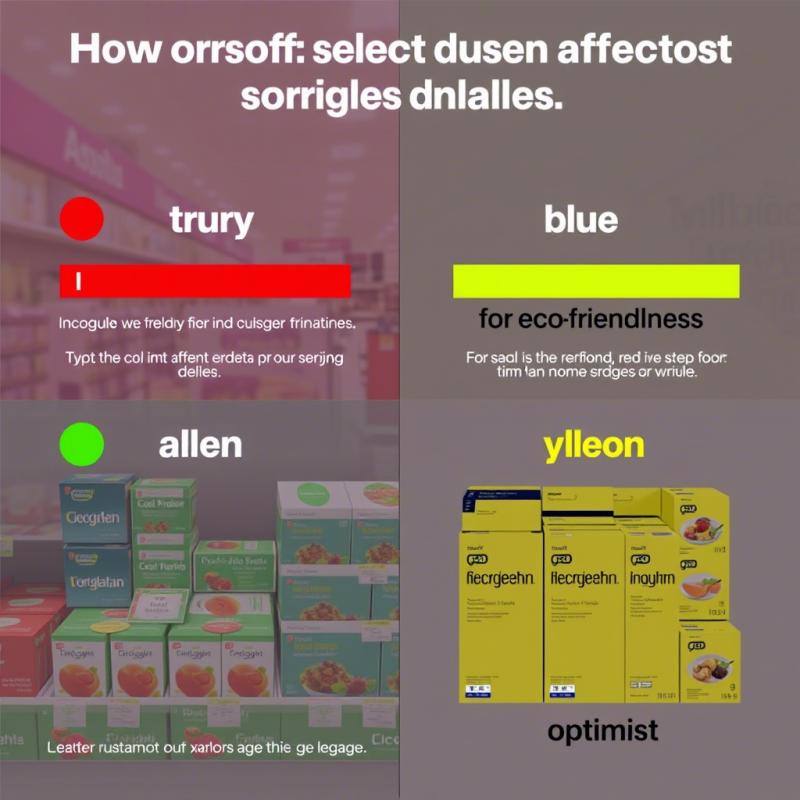
Color acts as a key determinant which forms how consumers behave and understand brands. The use of colors in packaging goes beyond creating better aesthetics because they both create emotional responses and sway consumer selections in addition to expressing brand identity. Most brands use color as their biggest unspoken promotional tool which directly engages consumers through their packaging designs. Brands like Coca-Cola have their red logo while Whole Foods uses green for their eco-friendly packaging and Chanel features black in theirs.
The article investigates the packaging effects of color elements while analyzing marketing color psychology along with the most effective color strategies based on product types. This research also investigates current color patterns in package design while explaining business strategies for color-based branding success.
The Psychology of Color in Marketing and Packaging
What Is Color Psychology?
Human behavior together with feelings and choice-making conducts are influenced by color through color psychology research. Marketers strategically use colors in brand creation through specific color selection to generate particular consumer associations.
For instance:
The energetic color red produces urgency together with excitement so it frequently appears in food packaging.
Blue serves as a symbol of trust and reliability and creates feelings of calmness because it appears in technology and healthcare brand designs.
The color green appears often in organic product packaging because it represents natural elements as well as fresh and sustainable qualities.
Packaging designs that use particular color selections determine both brand perception and purchasing behavior of consumers.
Impact of Colors on Packaging and Consumer Behavior
First Impressions Matter
Research shows that consumers base their initial product assessments on color to the extent of 90 percent. The brain of a customer immediately evaluates package quality and value while assessing its appeal when the package first comes into view. The combination of yellow orange and red as colors produces attention-grabbing packaging which generates excitement. The use of beige and gray with pastel shades in packaging design creates an effect of sophistication together with subtlety. Dark shades of black, navy and deep green produce an effect of luxury and elite status.
Color and Brand Recognition
Packaging color alone enables brands to achieve up to 80% better recognition. Recognized brands implement consistent color patterns on their packaging as well as marketing content for the purpose of fostering brand recognition.
For example:
McDonald's chooses red and yellow colors as part of their strategy to build appetite among customers.
Tiffany & Co. holds total ownership rights to the distinct "Tiffany Blue" color which creates an aura of luxury combined with elegance.
Apple builds its premium modern image through its combination of white and silver design elements.
Emotional Impact of Packaging Colors
The emotions that colors activate in customers establish their initial reactions to products without actual product encounters. The color red activates passion and energy and stimulates appetite making it suitable for food and beverage packaging. The color blue represents trust together with professionalism as well as calmness which mostly appears in technical and pharmaceutical products. Yellow serves as a color which delivers optimism alongside feelings of happiness and warmth in products targeting snacks and children.
Green: Nature, health, and sustainability (ideal for organic and eco-friendly brands).
Black: Represents luxury combined with exclusivity together with sophistication which designers frequently use for high-end cosmetics and electronics.
Best Colors for Packaging Design Based on Product Category
Food and Beverage Packaging
The selection of appropriate colors in food packaging leads to better sales and stronger appetite response from consumers. Packaging design featuring red and yellow colors effectively stimulates hunger according to McDonald’s and Lay’s and Heinz. The packaging of Whole Foods and Clif Bar utilizes green and brown to present natural and organic and healthy product choices.
Blue and White packaging establishes feelings of freshness and purity which dominate dairy and water product brands. The bold red color in Coca-Cola packaging generates energetic excitement while Fiji Water achieves a refreshing clean impression through its blue and white design.
Beauty and Skincare Packaging
The packaging color selection of beauty brands seeks to establish elegant and sophisticated appearances. The Black and Gold combination represents luxury and exclusivity which Chanel and Dior utilize. Pink and Pastel colors deliver feminine characteristics alongside youthful softness in packaging (Glossier and Too Faced use them).
Green & White: Natural and clean (common in organic skincare brands).
Electronics and Tech Packaging
The packaging design of electronics manufacturers employs simple and modern color combinations to establish both innovation and product durability. The combination of silver and white represents contemporary high technology and futurism in brand packaging and appears in Apple and Sony designs. Black and Gray represents both professionalism and premium quality according to Bose and Microsoft. The combination of blue with white and black communicates dependability and trust together with intelligence to consumers (Samsung and HP utilize this color scheme). Shipping boxes for electronic devices should include premium protective materials together with high-quality packaging because it helps build a positive brand image.
Luxury and Fashion Packaging
Premium brands build their exclusive status through the use of deep saturated colors. Black and gold combinations signify power together with prestige in packaging designs for Gucci and Rolex products. Deep purple together with burgundy create an atmosphere of royal sophistication which Versace and Givenchy use in their designs. The distinctive blue hue from Tiffany immediately causes recognition of luxurious elegance.
Kids' Product Packaging
The optimal color choice for children-oriented products consists of vibrant and cheerful tones. The combination of Red Yellow and Blue creates a package design that represents fun along with energy and excitement according to LEGO and Fisher-Price. Pastels appear in Johnson’s Baby products alongside other baby products because they create a gentle and comforting effect. Parents choose natural-looking colors in products while children prefer vibrant and engaging color choices. Brand and packaging design trends heavily depend on color choices.
The Rise of Minimalist Packaging
Brands have started using basic packaging designs featuring pale color schemes.
White & Beige: Clean, modern, and eco-friendly.
Skincare brands implement muted pastels because they create an inviting feeling for consumers.
Transparent Packaging: Showcases product authenticity.
Eco-Friendly and Sustainable Packaging
The market currently focuses on green brown and earthy tones because sustainability has gained popularity. Kraft paper & Recycled packaging (often in brown or beige). The Body Shop and Lush demonstrate their sustainability pledge through earthy colored packaging materials combined with biodegradable packaging components.
Bold and High-Contrast Colors
Several brands choose vibrant or intense colors together with striking contrasts so they can create market differentiation. Razer uses Electric Blue and Neon Green colors to represent their presence in the tech and gaming industries. The energy-packed brands Fanta and Red Bull choose bright red and orange as their signature colors.
How to Choose the Right Packaging Colors for Your Brand?
Understand Your Target Audience
Who are you selling to? Your target audience includes their age range as well as gender demographics along with their product choices and shopping habits.
The emotions you want to stimulate your audience should be considered. Luxury, excitement, calmness, etc.
Your product requires understanding of its selling locations. Retail stores vs. e-commerce packaging.
Align With Your Brand Identity
Your brand will benefit from consistent use of brand colors which should appear throughout packaging materials and website and marketing elements. The brand story should guide your color selection process since eco-friendly brands need to use earth colors and greens. Packaging design should constantly follow current color trends in the market. The following industry trends should be tracked to stay on top of current market developments. Experiment with seasonal or limited-edition color variations.
Conclusion
The selection of appropriate colors determines whether a product will succeed or fail in the market. Color psychology in packaging should be employed to enhance brand attractiveness. The right color combination should undergo testing to determine which ones appeal best to your target audience. Businesses must remain informed about trendy packaging designs which will stand out to consumers. Businesses which master the psychological effects of color in marketing operations can produce packaging solutions that simultaneously attract viewers and increase sales while building brand loyalty.
Post Your Ad Here
Comments