Hard Hats and Their Role in Workplace Safety
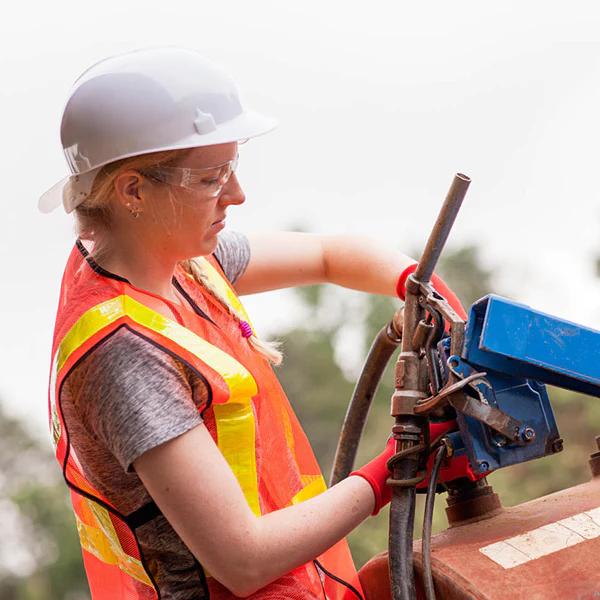
Workplace safety is more than a rule; it is a duty. Workers in construction, utilities, roadwork, forestry, mining, and other industries face the danger of brain injuries on a regular basis. This is where safety helmets come in. These protective helmets are designed to guard against falling items, unintentional bumps, and electrical dangers, making them an essential component of personal protective equipment (PPE).
Accidents are typically unexpected and cruel. A simple slip, a fallen instrument, or even contact with a live wire can all result in fatal head injuries. Safety Hard Helmets considerably lower the danger. Their design absorbs stress, deflects impact, and serves as a protective barrier between workers and major hazards.
The Real-World Value of Wearing a Hard Hat
The value of hard helmets goes far beyond compliance. In some job conditions, OSHA and other safety organizations mandated the use of hard helmets. Head injuries may lead to costly downtime, medical expenditures, and even long-term impairment. A properly fitted hard helmet is a simple expenditure that may save lives, lower liability, and keep teams running efficiently.
Hard hats are frequently used as a visual reminder of a strong safety culture. When employees witness their coworkers wearing appropriate protective gear, it emphasizes a shared commitment to safety and accountability. It raises awareness and fosters a safer, more professional workplace atmosphere.
How Safety Hard Hats Are Built to Protect
Recent hard helmets are more than simply plastic shells. They are meticulously designed with numerous components that work together to provide maximum protection. The exterior shell is often composed of high-density polyethylene (HDPE) or other robust materials that can withstand impact and penetration. Inside, a suspension mechanism uniformly distributes the power of any impact to the head, lowering the chance of major damage.
Many hard helmets include extra comfort features like sweatbands, adjustable ratchets, cushions inside, and even ventilation holes to decrease heat accumulation. These changes make it simpler for employees to wear their gear throughout the day without pain or distraction.
Some models include accessory slots that let users attach Face Shields, hearing protection, making them suitable for a variety of job duties and settings.
When and Where to Wear a Hard Hat
Hard hats should be worn in any situation where there is a risk of falling or flying items, electrical contact, or impact from machinery and equipment.
Even in seemingly low-risk scenarios, an unexpected head bump on a beam or piece of machinery can cause terrible injuries. Many firms mandate hard helmets even in less dangerous zones as part of a proactive safety strategy.
How to Choose the Right Safety Hard Hat
Not every hard hat is the same. When choosing one, workers and safety managers should focus on a few key factors:
Fit and Adjustability: The hat should fit firmly without being overly tight. Adjustable ratchet suspensions or pin locks aid in achieving a tight, comfortable fit.
Material Quality: Look for high-impact resistant materials like HDPE that exceed established safety standards (ANSI/ISEA Z89.1 in the United States).
Comfort Features: Sweatbands, cushioned inside, and ventilation enhance long-term wearability, particularly in hot or humid weather.
Purpose and Protection Level: Determine if the work entails electrical dangers or just general impact. Some hats are designed to resist high voltage, while others prioritize impact protection.
Durability and Maintenance: Select a model that can survive harsh working conditions and is simple to clean. Check for replacement components such as suspensions and liners.
Caring for Your Hard Hat
A hard helmet must be in good condition to do its duty effectively. Regularly inspect it for cracks, dents, and signs of wear. Clean it with moderate soap and water, avoiding strong chemicals that may degrade the material. Never paint or drill into a hard helmet, since this can weaken its construction. Replace the suspension system once a year or after a significant impact, and replace the complete hard helmet every five years, even if it appears to be in good condition.
Final Thoughts
Hard helmets are more than simply a box to check; they are an essential line of defense that protects what is most important. Your head is at risk when you operate heavy machinery, climb scaffolding, or work beneath cranes. Wearing a good helmet can save your life in hazardous situations. Choose wisely, wear it regularly, and emphasize safety from top down.
Post Your Ad Here
Comments