The Benefits of Mulch Films in Gardening and Agriculture
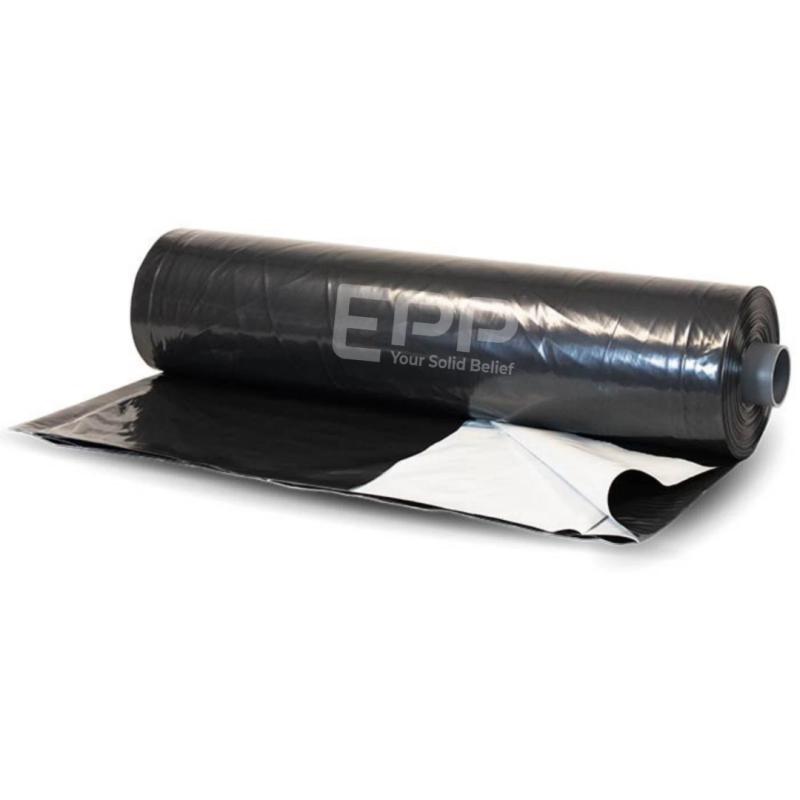
Mulch films have become an essential tool for gardeners and farmers alike, offering a range of benefits that enhance plant growth and improve crop yields. These thin sheets of plastic are laid over soil to create a protective barrier, and they come in various colors and materials to suit different agricultural needs. Here’s a closer look at the advantages of using mulch films in your gardening and farming practices.
What Are Mulch Films?
Mulch films are typically made from polyethylene or biodegradable materials and are used to cover the soil around plants. They help manage moisture, temperature, and weed growth while providing a clean environment for crops.
Key Benefits of Mulch Films
1. Weed Control
One of the primary advantages of using mulch films is their ability to suppress weed growth. By blocking sunlight, mulch films prevent weeds from germinating and competing with crops for nutrients and water.
2. Moisture Retention
Mulch films help retain soil moisture by reducing evaporation. This is especially beneficial in dry climates or during hot weather, as it ensures that plants have consistent access to water, promoting healthy growth.
3. Temperature Regulation
Mulch films can regulate soil temperature, keeping it warmer during cooler nights and cooler during hot days. This creates a more stable growing environment, which is vital for many crops.
4. Improved Crop Yields
By reducing competition from weeds and maintaining optimal moisture and temperature levels, mulch films can significantly enhance crop yields. Farmers and gardeners often see healthier plants and more abundant harvests.
5. Disease Prevention
Mulch films can help prevent soil-borne diseases by reducing soil splash onto plant leaves during rain or irrigation. This minimizes the risk of pathogens affecting crops.
6. Easier Harvesting
With mulch films, the soil remains cleaner, which can make harvesting easier and more efficient. This is particularly important for fruits and vegetables that are prone to rot when in contact with moist soil.
Types of Mulch Films
1. Black Mulch Film
Black mulch film is one of the most common types, providing excellent weed control and heat retention. It’s ideal for warm-season crops like tomatoes and peppers.
2. Clear Mulch Film
Clear mulch film allows sunlight to penetrate, warming the soil quickly. It’s beneficial for early-season crops but may allow weeds to grow if not managed properly.
3. Colored Mulch Films
Colored mulch films, such as red or silver, can influence plant growth by affecting light reflection, which can attract beneficial insects or repel pests.
4. Biodegradable Mulch Film
Made from organic materials, biodegradable mulch films break down over time, enriching the soil without leaving plastic waste behind. This is an eco-friendly option for sustainable gardening and farming.
Conclusion
Mulch films are a valuable asset for anyone involved in gardening or agriculture. Their ability to control weeds, retain moisture, regulate temperature, and improve crop yields makes them an indispensable tool in modern farming practices. Whether you’re a home gardener or a commercial farmer, incorporating mulch films into your planting strategy can lead to healthier plants and more productive harvests.Please contact EPP Vietnam for best quotation of Mulch films.
Post Your Ad Here
Comments