NDIS Plan Management vs Self-Management in Australia: Pros, Cons & How to Decide

When navigating your NDIS journey, one of the earliest—and most important—decisions you’ll face is whether to go with plan management, self-management, or both. It’s not exactly a one-size-fits-all scenario, and honestly, the best choice boils down to your comfort level, confidence, and the kind of control you want over your plan.
Let’s examine both sides so you can make an informed decision without regrets. Whether new to NDIS or looking to switch things up, this guide gives you real, practical insight into the process without the jargon overload.
So, What’s the Big Deal About NDIS Management Options?
 Right, here’s the lowdown.
Self-Management – You hold the reins.
Plan Management – A third-party NDIS-registered plan manager handles all the admin.
NDIA-Managed – The NDIA pays registered providers directly.
We’ll zoom in on the first two—because that's where most people get stuck deciding. And guess what? You can mix and match!

Plan management has quickly become the go-to option for many participants—and for good reason.
With providers like Care Assure Disability Services stepping in to support NDIS plan management, participants can choose their providers (yes, even unregistered ones) without the headache of paperwork.
Here’s the kicker: It doesn’t cost you extra. That’s right—the NDIS allocates funds separately for plan management. So, if you like the idea of control without the chaos, this could be your sweet spot.
? Pros of Plan Management
Flexibility: Use both registered and unregistered providers.
Less admin stress:* Your plan manager handles invoices and claims.
Budget tracking tools: Many plan managers offer easy-to-use portals.
Support & Guidance: You’ve got an expert to help you stay on track.
? Cons of Plan Management
You still need oversight: It’s not a “set and forget” deal.
Provider reliability matters: Not all plan managers offer the same quality.
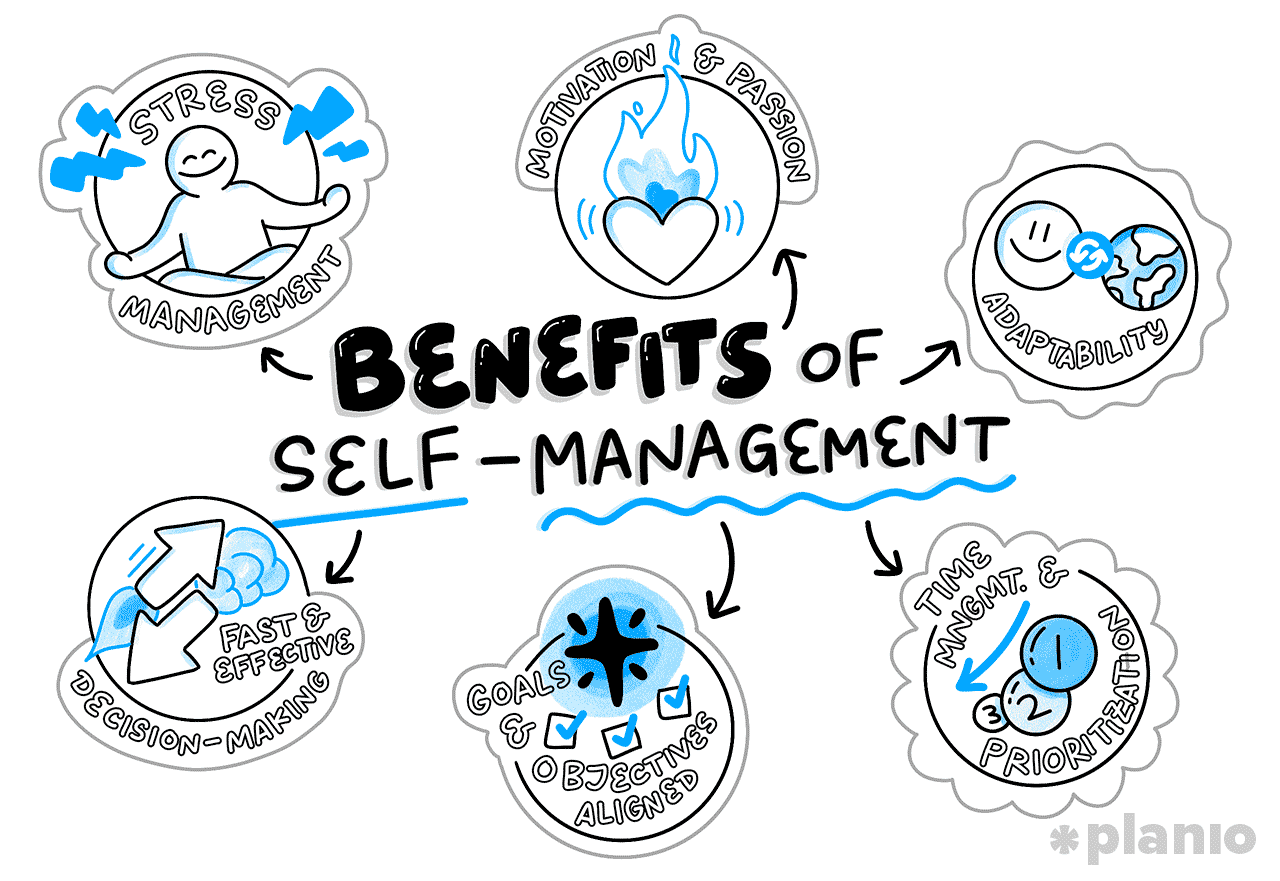
Self-management can be incredibly empowering if you’re organised, confident, and a DIY type.
It gives you total control over your funding—you decide who provides your services, how much to pay them, and when. You can even negotiate rates, which can stretch your budget further.
But—and this is a big one—you’re responsible for everything, from keeping receipts to paying invoices to meeting NDIS compliance requirements.
? Pros of Self-Management
Complete autonomy: Choose anyone, negotiate rates, and control the schedule.
Budget stretching: Get creative with how your funds are used.
Real-time decision-making: No waiting for approvals.
? Cons of Self-Management
More admin: You’re doing all the legwork—claims, records, reconciliations.
Time intensive: Not ideal if you’re juggling other responsibilities.

Whether you prefer complete control or support, providers like Care Assure Disability Services clarify the process and offer flexible service delivery models tailored to your preferences.
Working with a reputable NDIS Disability Services Provider means you’re not alone in the maze of invoices, tracking, and provider decisions. Their teams often provide guidance even if you’re self-managing, helping you stay on top without feeling swamped.
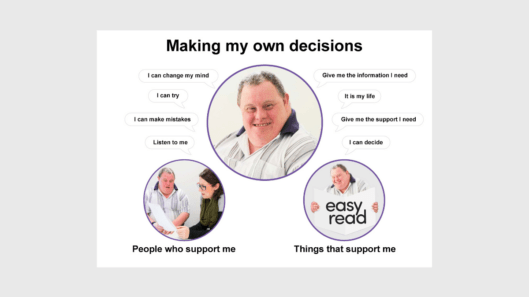
Let’s be real—there’s no “perfect” option. But here are some solid questions to ask yourself:
Do you have time to manage claims and records weekly?
Are you comfortable using online platforms and handling money?
Would you benefit from professional help managing service providers?
Is provider flexibility a top priority for you?
And remember, you can always start with one and switch later. Flexibility is baked into the NDIS for a reason.
Real-Life Scenario: Meet Claire from Hobart
Claire, a 32-year-old living with cerebral palsy, chose plan management when she first joined the NDIS. Through a local Disability Services in Tasmania provider, she had access to community activities, physio, and daily assistance. Over time, she wanted more control over provider choices and rates—so she switched to a hybrid approach.
Now, Claire self-manages her allied health supports but keeps a plan manager for everything else. It’s the best of both worlds.

Here’s a crucial difference: Plan managers ensure compliance on your behalf. If you’re self-managing, that responsibility is yours.
NDIS has specific rules about eligible expenses, receipt keeping, and timing.
Providers like Care Assure Disability Services also help participants understand what’s claimable and guide them through audits, should they ever occur.
Hybrid Management: Yes, It’s a Thing!
Did you know you don’t have to go all-in on either option? Hybrid management lets you:
Self-manage certain parts of your plan (e.g., therapies or low-risk consumables)
Use plan management for the rest.
This is an excellent choice if you want to dip your toes into self-management without jumping in headfirst.
Common Misconceptions—Busted!
Let’s clear up a few things:
❌ “Plan managers decide which providers I use.”
✅ Nope! You call the shots—they just process payments.
❌ “Self-managing means I’ll get more funding.”
✅ Not true. The funding amount stays the same—how you manage it is what changes.
❌ “You can’t switch mid-plan.”
✅ You totally can. Just chat with your Support Coordinator.
Warp-Up: Find What Works for You
The NDIS is designed to be flexible because everyone’s journey is unique. Whether you lean into the freedom of self-management or the support of a plan manager like Care Assure Disability Services, the goal is to help you live your best, most independent life.
Don’t be afraid to ask questions; explore options and pivot when needed. That’s the beauty of this system—it’s built to evolve with you.
? FAQs
Q1: Can I change my NDIS management option mid-plan?
Yes! You can switch from self-managed to plan-managed (or vice versa). It just requires a quick update with your LAC or Support Coordinator.
Q2: Do I need to keep receipts if I’m plan-managed?
Not necessarily. But it’s still wise to hang onto receipts just in case.
Q3: Can I self-manage and still use registered NDIS providers?
Absolutely. Self-managing gives you access to registered and unregistered providers—you choose who you use.
Q4: What if I mess up a claim as a self-manager?
Mistakes happen. However, NDIS can audit your spending, so following their guidelines and keeping everything above board is crucial.
Post Your Ad Here
Comments