Teenage Acne: How to Treat It Without Damaging Your Skin
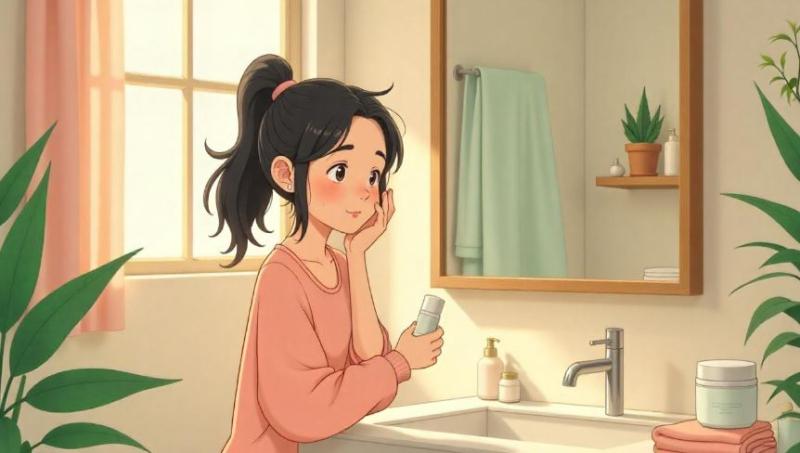
Acne is a common rite of passage for many teenagers, but that doesn’t make it any easier to deal with. From social pressure to self-esteem issues, teenage acne can take a toll. The worst part? In the rush to get clear skin, many teens end up using harsh products or incorrect methods that damage their skin more than help it. The good news is—you can treat acne effectively without hurting your skin. Here's how.
Understanding Teenage Acne: What Causes It?
Teenage acne is primarily caused by hormonal fluctuations during puberty. As hormone levels rise, the sebaceous glands (oil-producing glands) become more active. The excess oil can mix with dead skin cells and clog pores, leading to acne.
Common types of teenage acne include:
-
Whiteheads: Closed, clogged pores under the surface of the skin.
-
Blackheads: Open pores clogged with oil and dead skin.
-
Pimples (Pustules): Inflamed red bumps with pus.
-
Cysts and Nodules: Deep, painful lumps under the skin.
While acne is a normal part of adolescence, treating it aggressively can cause long-term skin sensitivity, scarring, or discoloration.
Why Over-Treating Can Do More Harm Than Good
Many teens panic at the first sign of a breakout and go overboard—scrubbing their face too hard, using alcohol-based toners, or applying multiple spot treatments at once. Unfortunately, these methods often backfire.
Harsh practices can:
-
Strip the skin's natural protective barrier
-
Cause excessive dryness and irritation
-
Trigger more oil production (leading to more acne)
-
Lead to post-inflammatory hyperpigmentation or scarring
The key to treating acne is consistency and gentleness, not aggression.
Gentle Yet Effective Skincare Habits for Teens
A solid skincare routine doesn’t have to be complicated or expensive. It's more about choosing the right products and using them regularly.
Here’s a basic routine for acne-prone teen skin:
-
Cleanser: Use a mild, non-comedogenic (won’t clog pores) cleanser with ingredients like salicylic acid or benzoyl peroxide.
-
Moisturizer: Even oily skin needs moisture. Look for a lightweight, oil-free formula.
-
Sunscreen: Daily SPF is crucial to prevent dark marks and irritation, especially if you're using acne treatments.
Consistency is key—don’t switch products too often or expect overnight miracles.
Do’s and Don’ts for Managing Teenage Acne
✅ Do:
-
Wash your face twice a day and after sweating
-
Use clean pillowcases and avoid touching your face
-
Stick to one acne treatment at a time to see if it works
❌ Don’t:
-
Pick or pop pimples (it increases scarring and infection risk)
-
Use toothpaste or DIY scrubs—these can burn or scratch the skin
-
Overuse face masks or exfoliants
Less is often more when it comes to acne treatment.
When to Consider Professional Help
If acne persists for more than 2–3 months despite using over-the-counter products, or if you experience deep, painful breakouts (like cysts or nodules), it may be time to visit a dermatologist.
Signs you need expert care:
-
Scarring or dark spots after acne heals
-
Acne is spreading rapidly or worsening
-
Emotional impact—if acne is affecting your confidence
Dermatologists can offer tailored treatments like topical prescriptions, oral medications, or professional acne treatments such as chemical peels for acne scars, light therapy, and more.
Lifestyle Factors That Make a Difference
Skincare is only part of the puzzle—your lifestyle habits also play a big role in how your skin behaves.
Simple daily habits that help:
-
Hydration: Drink enough water to support skin function.
-
Diet: Limit high-glycemic foods and dairy, which may trigger breakouts in some people.
-
Sleep: Poor sleep increases inflammation and hormone imbalance.
-
Stress management: Stress hormones can increase oil production and worsen acne.
Focus on treating your whole body, not just your face.
Safe Products and Ingredients for Teenage Skin
Not all acne-fighting ingredients are suitable for teen skin. Stick to those that are proven and safe for younger, more sensitive skin.
Recommended ingredients:
-
Salicylic Acid (1–2%) – Exfoliates inside the pore and prevents clogs
-
Benzoyl Peroxide (2.5–5%) – Kills acne-causing bacteria
-
Niacinamide – Reduces inflammation and balances oil
-
Azelaic Acid – Helps with redness and post-acne marks
Avoid alcohol-based toners, strong retinoids without supervision, and overly abrasive scrubs.
Conclusion: Clearer Skin Without the Damage
Teenage acne is common—but damaging your skin trying to fight it shouldn’t be. The best approach is a gentle one, combining consistent skincare, healthy habits, and professional advice when needed. Whether you’re using over-the-counter products or exploring dermatologist-recommended acne solutions, the goal is always the same: healthier, clearer skin without harsh side effects.
With the right care, patience, and guidance, teenage acne doesn't have to leave a lasting mark.
Post Your Ad Here
Comments